
Full Breakdown
Israel’s October 2026 Election: Record Turnout Amid Ongoing Conflict
By Drooid · · How we work
In this breakdown
01
Background & Context
The election follows the October 7, 2023 massacre and three years of war with Hamas and repeated confrontations with Iran. The vote is widely viewed as a referendum on Prime Minister Benjamin Netanyahu’s leadership and the country’s direction after the prolonged conflict.
Watch
Related reporting
youtube
LIVE: Israel's election results
02
Election Day Overview
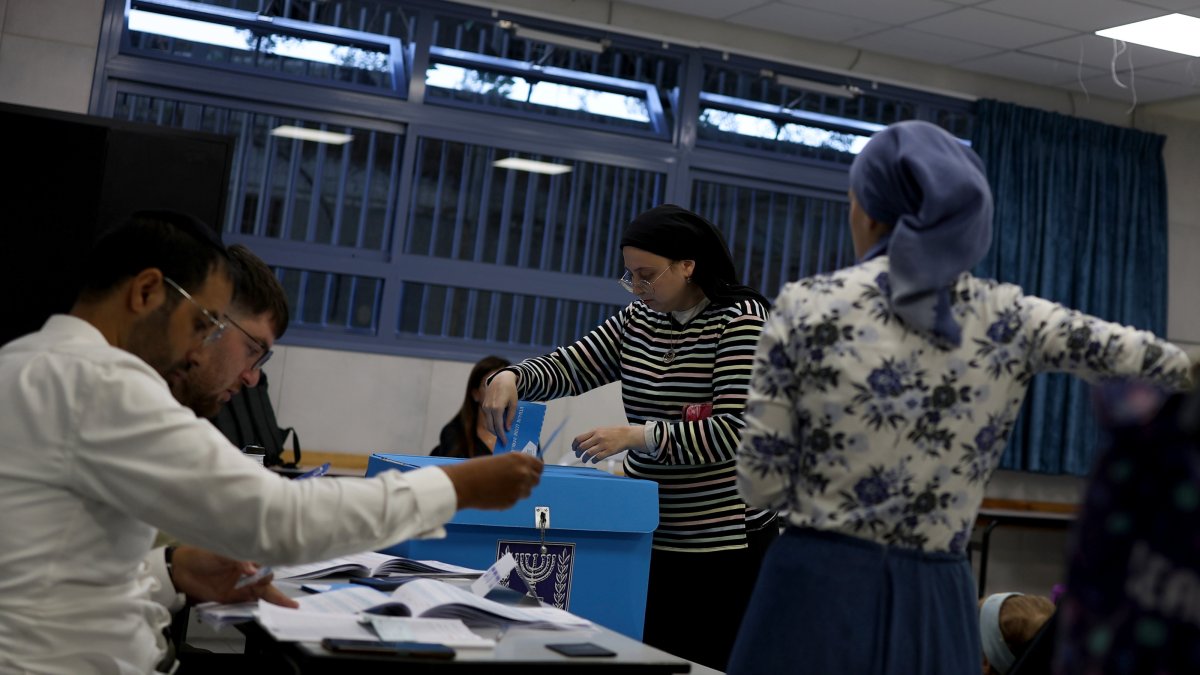
The 26th Knesset election was held on October 27, 2026. Polling stations opened at 7:00 a.m. and closed at 10:00 p.m. across the nation. The Central Elections Committee listed 7,331,981 eligible voters, 36 party lists competing for 120 seats, and 12,018 polling stations. Special arrangements allowed voting for soldiers, police, hospitalized patients, and displaced residents through double-envelope ballots.
Visual evidence
Images from the story



03
Voter Participation & Economic Activity
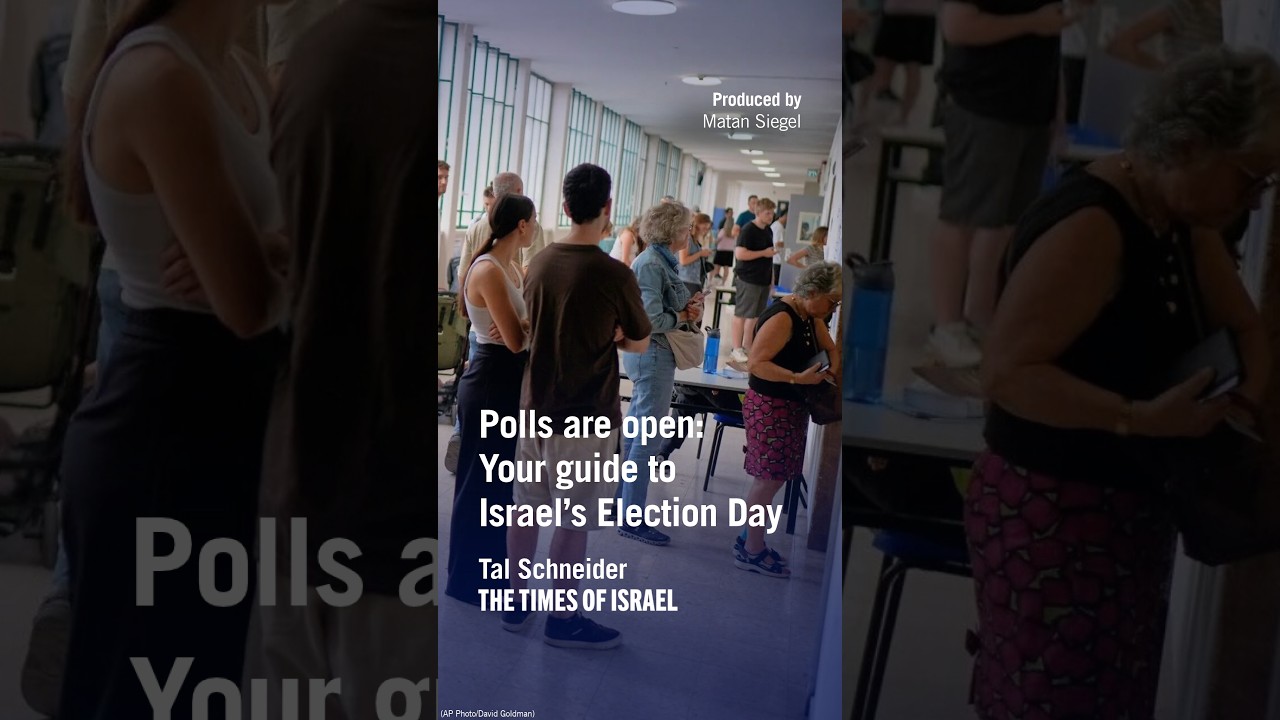
- Turnout: At 6 p.m., the election-day data provider Shva reported a 66.7 % turnout, the highest since systematic recording began in 1973. Earlier, the Central Elections Commission’s head Dean Livne noted that by 2 p.m. 44.9 % of eligible voters had cast ballots, also a record for the midway point.
- Spending: Shva recorded NIS 1.14 billion in payment-card transactions between 8 a.m. and 5 p.m., a 41.2 % increase over the November 2022 election and 12.9 % above the January 2024 municipal elections.
- Currency Impact: The shekel strengthened sharply against the dollar and euro following the high turnout, while the dollar fell 1.8 % against the shekel and the euro declined 2.2 % to NIS 3.37.
04
On-the-Ground Reports
Long lines formed at many stations, especially in small border communities. Voters reported waiting up to 45 minutes before leaving to return later. In the town of Ofakim, polling stations operated alongside bustling shops and cafés, where families discussed politics while purchasing groceries and baby supplies. A mother in Yeruham recounted an offer of 500 shekels to vote for a particular party, which she declined.
05
Official Statements & Responses
- The Central Elections Commission, led by Dean Livne, emphasized that the turnout figures represent a historic level of participation since 1973.
- The Central Elections Committee explained that vote counting will begin after polls close at 10:00 p.m., with partial results released throughout the night. Full counting, including double-envelope ballots, is expected to finish by Thursday afternoon, and the official results must be published by the deadline of November 4, 2026.
- The Committee estimates that 600,000–650,000 voters will use double-envelope ballots, a number comparable to roughly 15 Knesset seats, which could affect the final seat distribution.
06
Verbatim Quotes
- “We have broken all records registered by the Elections Committee since 1973,” — Livneh
- “There has been no such data.” — Earlier
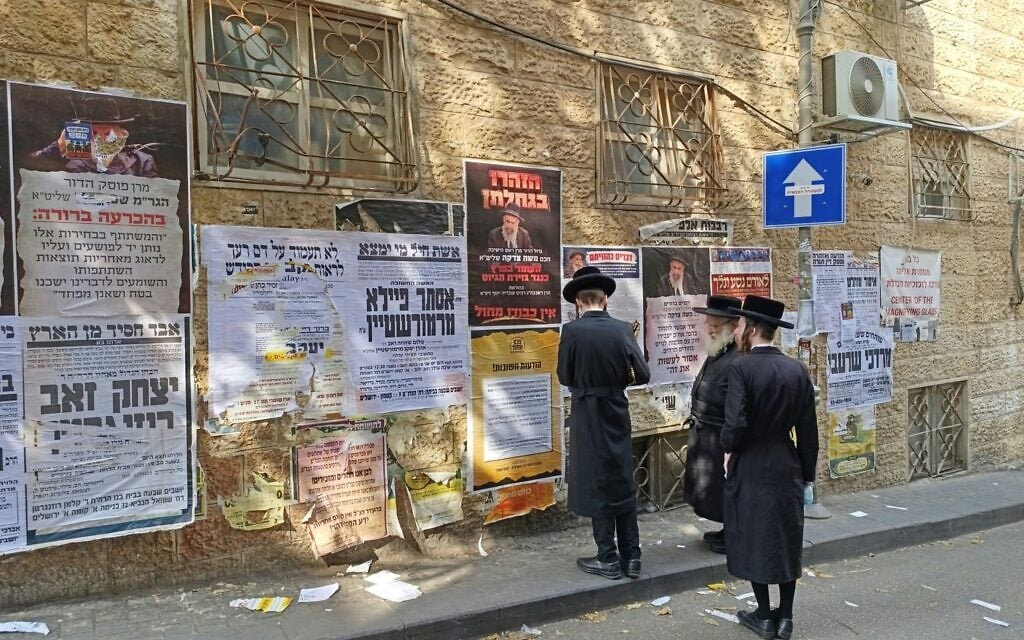
- “Anyone who doesn’t vote misses out on a mitzvah (positive commandment),” — Zichron Moshe
- “All the Haredim do the same thing; we vote for whoever our rabbi tells us to,” — Yair
07
What’s Next
Election night will produce evolving tallies, but the final composition of the Knesset will remain uncertain until all double-envelope ballots are counted and the Central Elections Committee certifies the results by November 4, 2026.