
Full Breakdown
Former FBI Director James Comey Charged Again Over 2016 Leak as Hillary Clinton Says She Regrets Not Confronting Him
By Drooid · · How we work
In this breakdown
01
Core Event: New Criminal Information Filed Against James Comey
Federal prosecutors filed a two-count criminal information accusing former FBI Director James Comey of “knowingly and willfully” transmitting national-defense information and conspiring to disclose it to a reporter. The filing alleges Comey directed staff to provide classified details to a New York Times reporter about a U.S. email-surveillance program. The charges relate to conduct on October 4–5, 2016 and were filed on October 5, the day the ten-year statute of limitations would expire.
02
Background & Context
In early October 2016, a New York Times article reported a secret court order requiring Yahoo to scan emails for terrorist communications. Prosecutors say Comey instructed staff to speak with reporter Charlie Savage to correct perceived inaccuracies, thereby “illegally transferred[ing] classified information.” The conduct was investigated twice by separate U.S. attorneys, both of whom declined to prosecute. The Justice Department revived the case in 2026, marking the third federal prosecution of Comey in just over a year.
Visual evidence
Images from the story
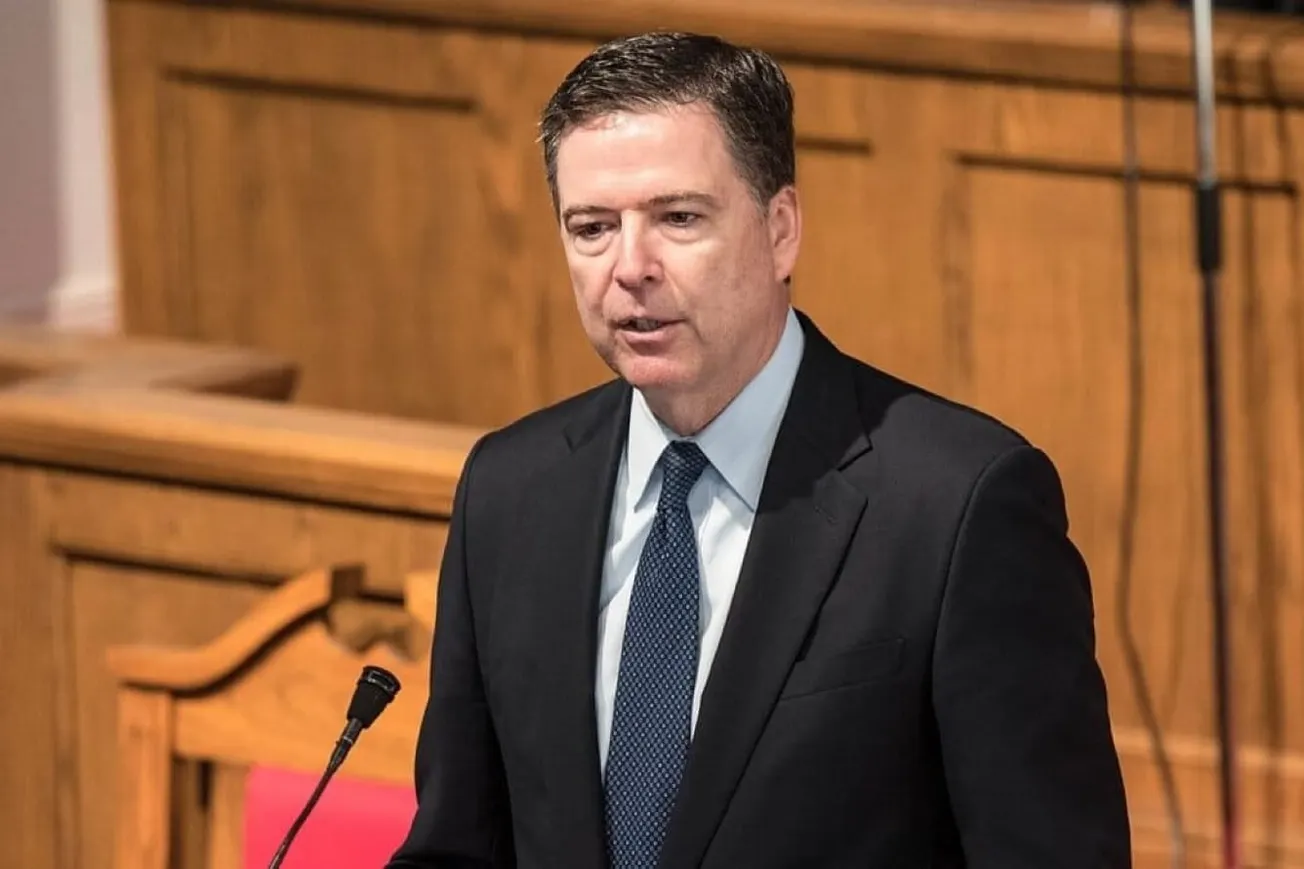


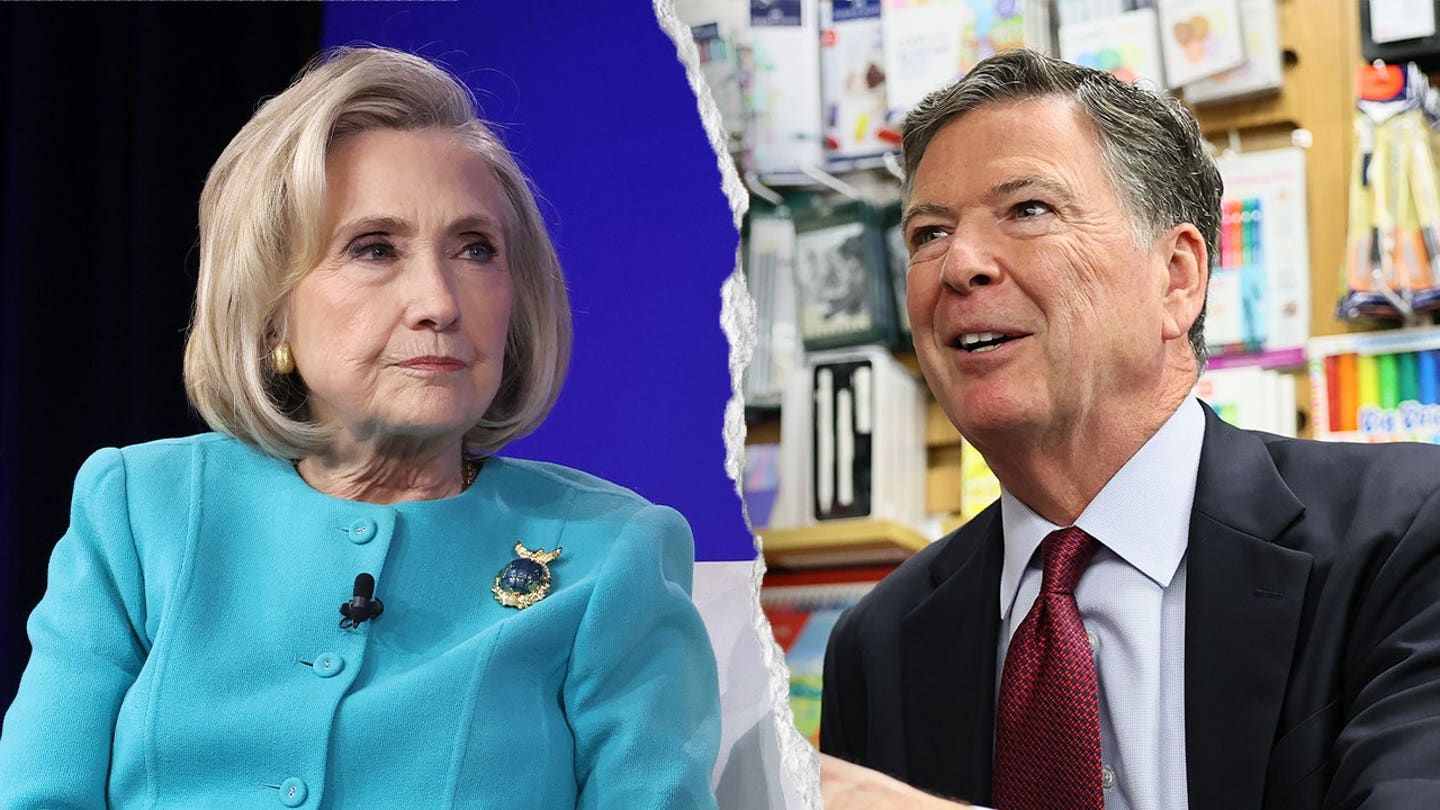
03
Timeline
- October 4–5, 2016 – Alleged disclosure of national-defense information.
- October 5, 2016 – New York Times publishes the article that became the focus of the charges.
- October 5, 2026 – Prosecutors file the criminal information to preserve the statute of limitations.
- Recent weeks – Comey’s attorneys filed a motion to dismiss, arguing the filing method is time-barred.
- Recent podcast – Former Secretary of State Hillary Clinton expresses regret for not confronting Comey more forcefully.
04
Data & Statistics
- Two counts: unlawful transmission of national-defense information; conspiracy to commit that offense.
- Statute of limitations: ten years, expiring on October 5, 2016.
- Third prosecution: previous cases involved false-statement/obstruction charges (dismissed) and a “seashell” threat case (still pending).
05
Official Statements & Responses
- James Comey: “Nothing’s changed with me. I’m still innocent. I’m not afraid of these people, and I still believe in the independent federal judiciary.”
- Patrick J. Fitzgerald, Comey’s attorney, says the filing does not satisfy the statute-of-limitations requirement.
- Comey’s lawyers argue that only a grand-jury indictment would have been valid, making the case time-barred.
06
Verbatim Quotes
- “I wish somebody had told me that I needed to take on Jim Comey,” — Hillary Clinton
- “Nothing's changed with me. I'm still innocent. I'm not afraid of these people. And I still believe in the independent federal judiciary,” — James Comey
07
Conflicting Reports & Gaps
Legal scholars and Comey’s counsel dispute whether a criminal information can satisfy the statute-of-limitations requirement. Prosecutors maintain that filing on October 5 preserves the deadline; Comey’s attorneys assert that only a grand-jury indictment would be valid, rendering the case “time-barred.” No court ruling on the motion to dismiss has been issued.
08
What’s Next
The district court has yet to rule on Comey’s motion to dismiss. If the filing is upheld, the case will proceed to trial; if dismissed, prosecutors may need to seek an indictment to revive the charges.