
Full Breakdown
Trump Pushes to Ban “Artificial Intelligence” Terminology in Federal Documents
By Drooid · · How we work
In this breakdown
01
Trump Announces Ban on “Artificial Intelligence” Terminology
On October 27, President Donald J. The post singled out The Wall Street Journal for continuing to use the phrase and urged a shift to “Super Intelligence” (SI).
02
Background and Context
The phrase “artificial intelligence” was coined in 1955 by Stanford University emeritus professor John McCarthy. Over the past decades the term has become standard in academic literature, industry branding, and media coverage. Trump’s effort to replace it follows a pattern of previous attempts by his administration to rename government terminology, such as the 2017 controversy over “diversity” and “transgender” in CDC documents.
Visual evidence
Images from the story
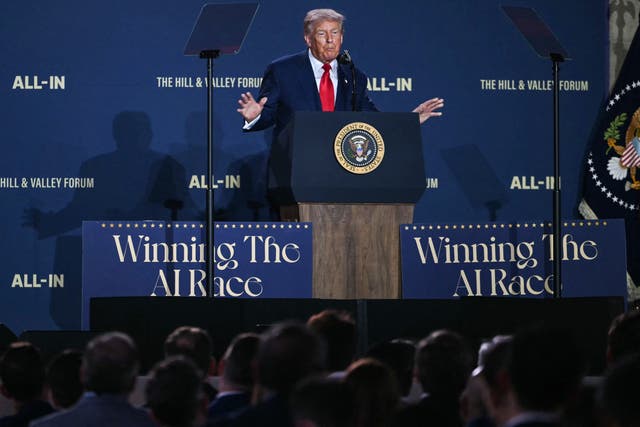


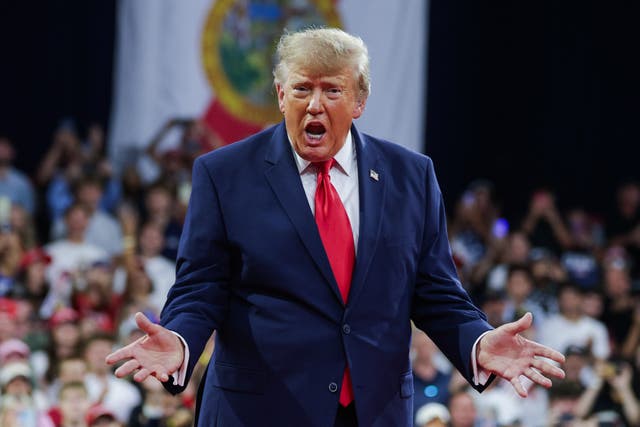
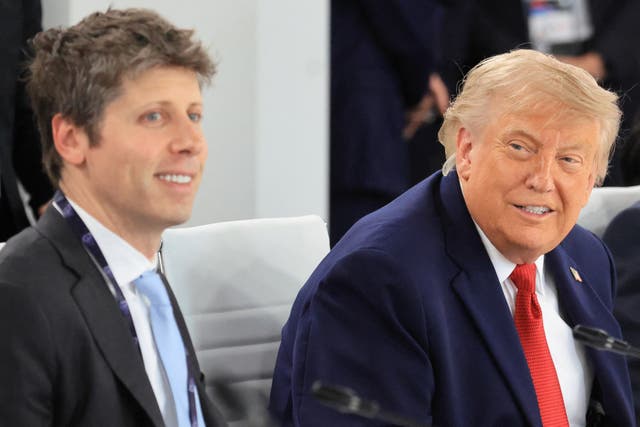

03
Executive Order Details
It does not require retroactive changes to existing regulations, contracts, grants, or archival records.
04
Official Statements & Responses
- Elon Musk, a billionaire tech executive who met with Trump at the White House, endorsed the rebranding, stating that “No more AI / SI / It’s better.”
05
Legal and Practical Considerations
The order’s authority is limited to government speech. The U.S. Supreme Court’s government-speech doctrine permits agencies to control their own communications but does not allow a president to override statutes or compel private entities to adopt new terminology. A federal judge previously ruled that a similar White House attempt to rename the Gulf of Mexico likely violated the First Amendment, indicating potential judicial scrutiny of the current AI terminology directive.
06
Public Opinion Data
A University of Massachusetts Amherst survey released last month found that 23 percent of Americans believe Trump has handled artificial intelligence well, while 57 percent say his handling has been poor.
07
Criticism & Opposition
Legal analysts note that the executive order cannot compel private companies, journalists, or the public to stop using “AI.” The order also stops short of amending the statutory definition of “Artificial Intelligence,” leaving a gap between the administration’s naming goal and existing law.
08
Conflicting Reports & Gaps
Sources differ on the scope of the ban. Some reports state the order applies to “all relevant documents” across the executive branch, while others emphasize that it does not affect private sector usage, academic publications, or media outlets that continue to use “AI.” The precise implementation timeline beyond the announced “short order” remains unspecified.
09
Verbatim Quotes
- “No more AI / SI / It’s better,” — Elon Musk
10
What’s Next
The executive order sets a 60-day deadline for the Assistant to the President for Science and Technology, Michael Kratsios, to submit proposed legislative language that would update the federal statutory definition of “Super Intelligence” and recommend amendments to related laws. The outcome of that submission will determine whether the terminology shift gains broader legal footing.