
Full Breakdown
Oxford Street’s First Pedestrian Phase Begins
By Drooid · · How we work
In this breakdown
01
Core Event
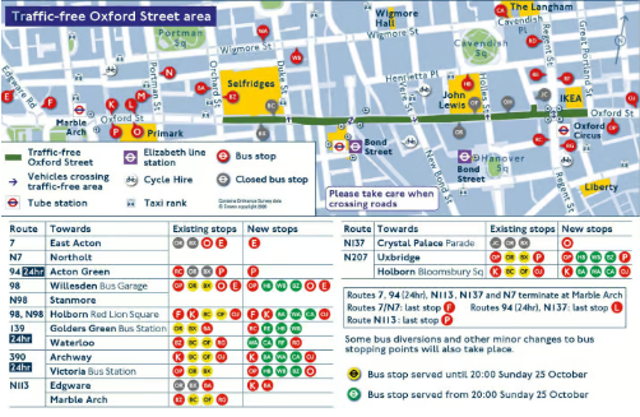
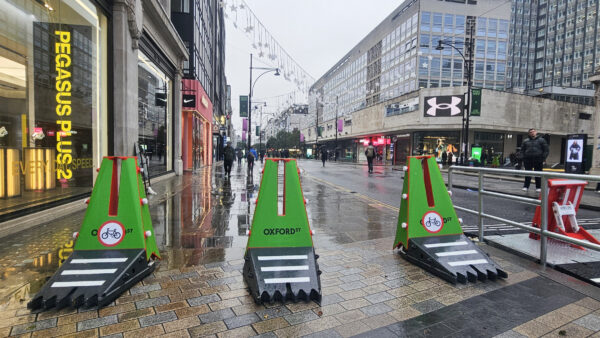
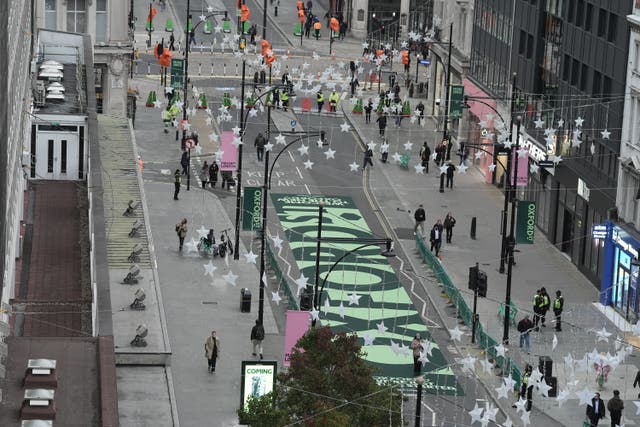
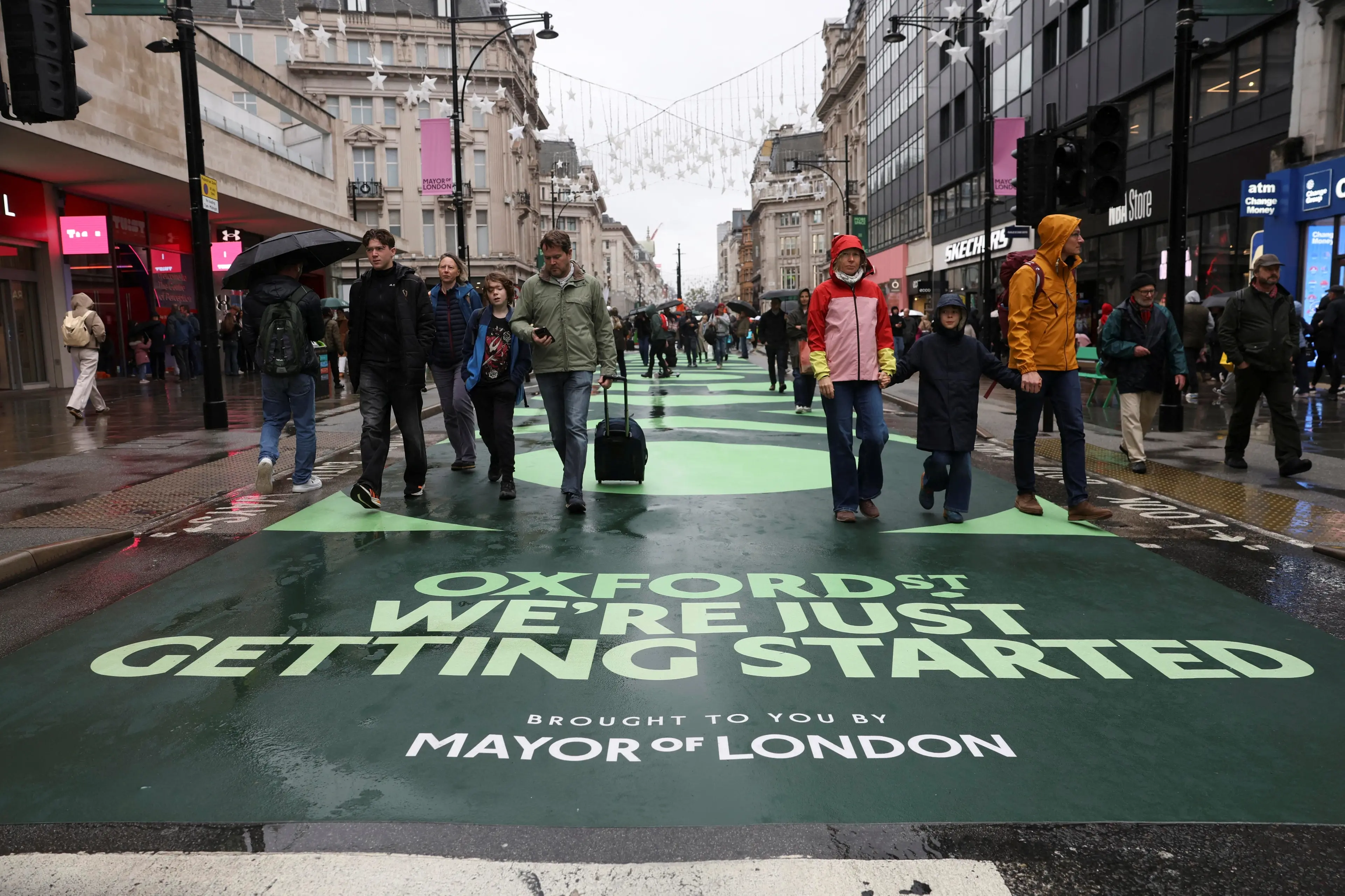
On October 26, 2026 an almost-kilometre stretch of Oxford Street—from Orchard Street to Great Portland Street—was closed to motorised traffic, bicycles, e-scooters and pedicabs. Vehicles may still cross at a few junctions, and deliveries are permitted only between midnight and 7 a.m. Emergency services retain unrestricted access via the cross-streets.
Watch
Related reporting
youtube
London's Oxford Street partly pedestrianised after years of wrangling
ex
Sadiq Khan hails traffic-free Oxford St
02
Background & Context
Mayor Sadiq Khan first raised a pedestrian Oxford Street in his 2016 manifesto. After a 2017 proposal was blocked, a 2025 public consultation showed two-thirds support, prompting the creation of the Oxford Street Development Corporation (OSDC) to take planning control. The current phase is a “test-and-learn” pilot that will inform a longer-term redesign slated for 2027.
Visual evidence
Images from the story


03
Data & Statistics
- ? ½ million visitors per day.
- Annual retail spend £3.1 billion; corridor output £25 billion (? 1 % of UK GVA).
- Phase funded at £150 million, delivering > 50 new trees, > 100 seats and two public squares by spring 2027.
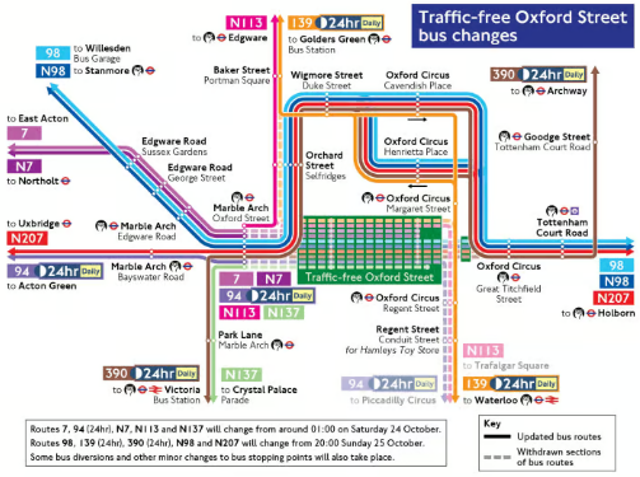
- Bus routes 7, 98, 390 and night services diverted to parallel streets.
04
Official Statements & Responses
Mayor Khan called the change a “proof of concept” for boosting footfall. The OSDC said the layout will allow data collection on pedestrian movement, retail activity and accessibility. TfL pledged “plenty of capacity for passengers” and warned cyclists must dismount or use alternative routes.
05
Criticism & Opposition
- Ben McMullan, taxi driver, reported “definitely worse” traffic on adjacent streets and disappointment from customers with prams.
- Councillor Tim Barnes, Westminster deputy leader, warned displaced traffic could raise congestion, air-pollution and safety risks.
- The London Cycling Campaign said the ban removes a major active-transport corridor without providing “high-quality parallel cycle routes.”
- Disability advocates noted bus stops and taxi ranks are now 100-200 m from the zone, raising step-free access concerns.
06
On-the-Ground Reports
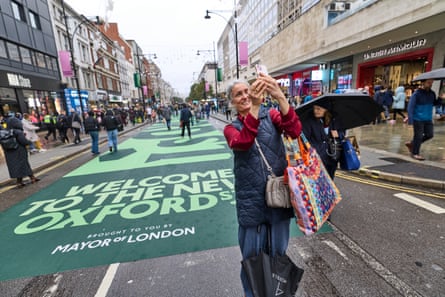
Shoppers such as Daniel Te, a former city planner, described the space as “more pleasant” and said he would visit more often. Raquel Cox, a visitor from Ireland, called the experience “exciting” despite acknowledging busier surrounding streets. Small-business owner Abbas Shigival said the morning was “a little busier than usual” but cautioned that longer-term effects remain uncertain.
07
Conflicting Reports & Gaps
TfL’s spokesperson said the scheme would cause a “manageable increase” in traffic on nearby streets, while Westminster officials and resident groups warn of “significant congestion” and possible air-quality deterioration. No independent footfall or sales data have been released, leaving the economic impact unverified.
08
Verbatim Quote
- “After so many false dawns… I’m proud that we’re finally unlocking a new era for the street,” — Sadiq Khan, London mayor
09
What’s Next
The OSDC will monitor pedestrian flow, retail performance and accessibility feedback through the winter shopping season. By spring 2027 temporary barriers will be replaced with permanent paving, trees and seating installed, and level public squares created. A second phase extending the traffic-free zone toward Marble Arch and Tottenham Court Road depends on the pilot’s outcomes.