
Full Breakdown
Israel’s Oct. 27 Election: A Referendum on Netanyahu’s Rule and the Country’s Future
By Drooid · · How we work
In this breakdown
01
Core Event
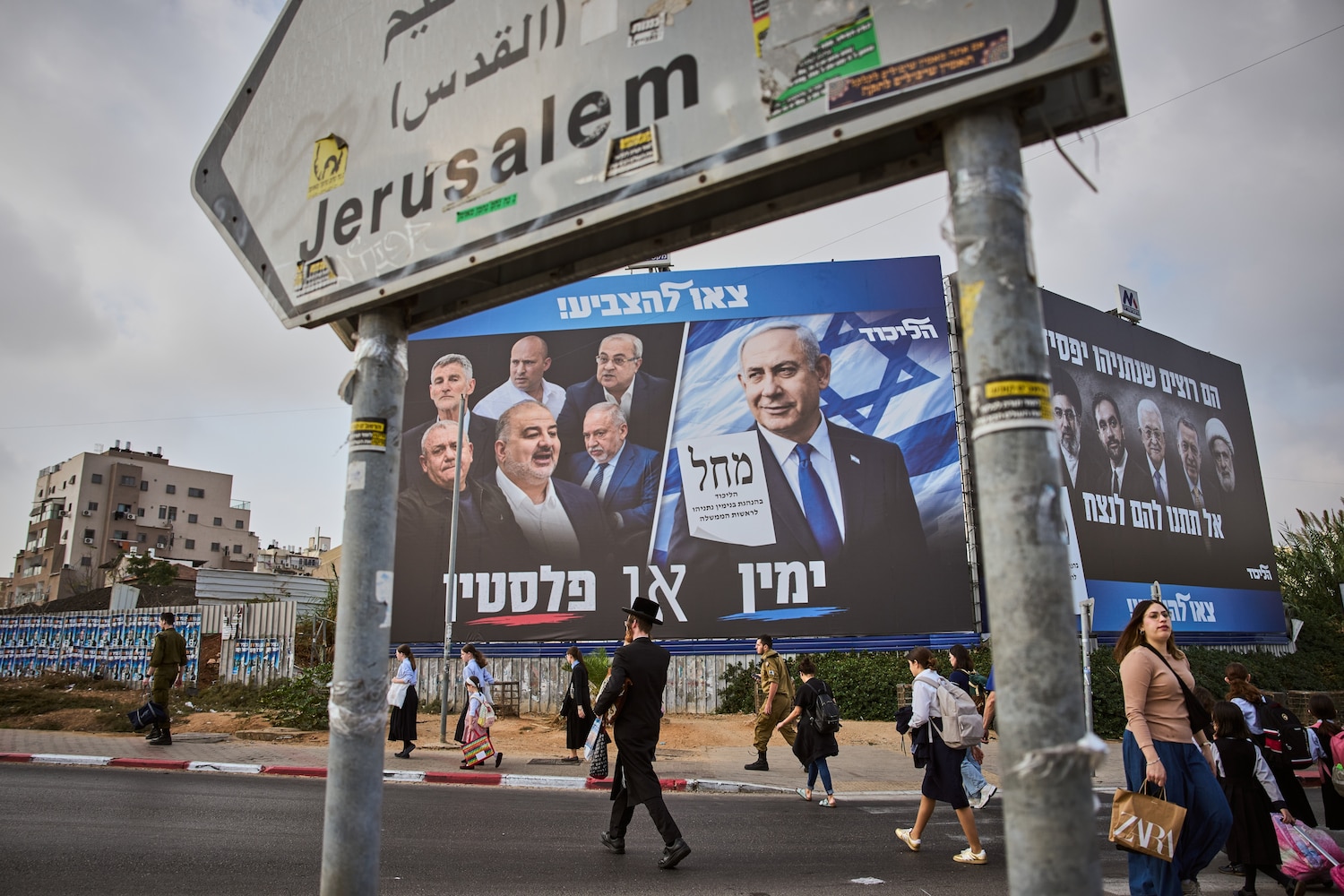
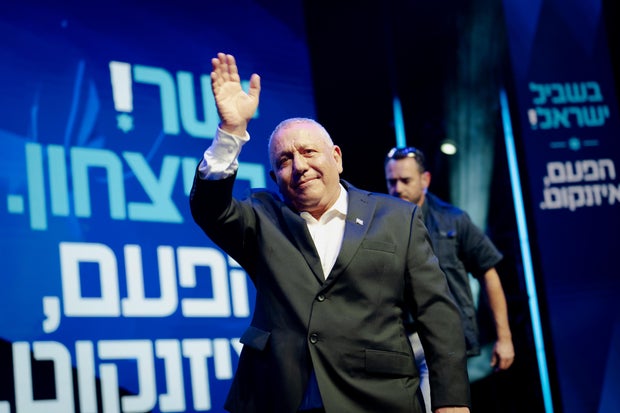
On October 27, 2026, Israelis voted in a national election seen as a referendum on Prime Minister Benjamin Netanyahu’s leadership since the October 7, 2023 Hamas attack. The race pits Netanyahu’s Likud bloc against former military chief Gadi Eisenkot, who leads the centrist Yashar party. No party is expected to win the 61 seats needed for an outright majority in the 120-member Knesset, so coalition talks are inevitable.
Watch
Related reporting
cbsnews
Video: What to know about the Israel election
youtube
WATCH: Netanyahu's foreign policy advisor on Israeli election and Bibi's relationship with the U.S.
nytimes
Israelis Head to the Polls in High-Stakes National Election
02
Background & Context
The Oct. 7 assault, which killed about 1,200 Israelis and saw 251 taken hostage, dominates the campaign. Netanyahu’s government has resisted an independent commission of inquiry and maintains exemptions that keep many ultra-Orthodox men out of mandatory service. Eisenkot, whose close relatives died in Gaza, has pledged to end those exemptions and to launch a state-level inquiry. The election follows three years of wars in Gaza, Lebanon, Syria and Iran, and comes amid diplomatic pressure, including an International Criminal Court arrest warrant for Netanyahu.
Visual evidence
Images from the story



03
Key Figures & Groups
- Benjamin Netanyahu – 77, Likud leader, heads a coalition of far-right and ultra-Orthodox parties.
- Gadi Eisenkot – 66, former IDF chief of staff, leads the Yashar “change bloc.”
- Itamar Ben-Gvir – National Security Minister, far-right ultranationalist.
- Bezalel Smotrich – Finance Minister, Religious Zionism party.
- Mansour Abbas – Leader of the Arab-Israeli Ra’am party.
04
Timeline
- Oct 7, 2023 – Hamas attack.
- Oct 16, 2026 – Voting at Israeli missions abroad concluded.
- Oct 27, 2026 – Election day; polls 7 a.m.–10 p.m. (local).
- Following days – Exit polls released; coalition negotiations expected to last weeks.
05
Data & Statistics
- 7.3 million eligible voters (?540,000 more than 2022).
- 55.7 % of ballots cast within the first nine hours, fastest pace on record.
- Arab citizens make up about 20 % of the population; their turnout is decisive.
- Gaza death toll reported as over 74,000 by the Hamas health ministry and 74,555 by other sources.
06
Official Statements & Responses
- Netanyahu warned that a surge in Arab turnout could produce a government led by Mansour Abbas and Ahmed Tibi, framing it as a threat to the “Jewish state.”
- Eisenkot pledged a state commission of inquiry into the Oct. 7 failures, contrasting with Netanyahu’s refusal.
- Trump endorsed Netanyahu, saying the “job” of confronting Iran must be finished together.
- The Central Elections Committee confirmed the election proceeded on schedule and that results will be tallied over several days.
07
Criticism & Opposition
- Sociologist Yehouda Shenhav-Shahrabani argues the political system operates within a “racist framework of Jewish supremacy.”
- Analyst Ahron Bregman describes the electorate’s division as “God-like” admiration for Netanyahu among supporters and deep hatred among opponents.
08
Conflicting Reports & Gaps
- Gaza casualty figures differ: Hamas cites over 74,000 deaths, while other reports list 74,555.
- Seat projections vary; some place Netanyahu’s bloc at 50-56 seats, Eisenkot’s at 52-56 (CBS News, Jpost).
09
What’s Next
- Exit polls will be released shortly after polls close, giving the first indication of seat distribution.
- President Isaac Herzog will consult party leaders to appoint a Knesset member to form a government; the nominee has 28 days (extendable by 14 days) to assemble a coalition.
- If talks fail, Israel may face another election, repeating the pattern seen between 2019 and 2022.
The election’s outcome will shape Israel’s domestic governance, its approach to regional conflicts, and its relationship with key allies such as the United States.