
Full Breakdown
Elon Musk, Starlink, and the Ukraine Service Dispute
By Drooid · · How we work
In this breakdown
01
Core Event: Throttling and Restoration of Starlink/Starshield in Ukraine
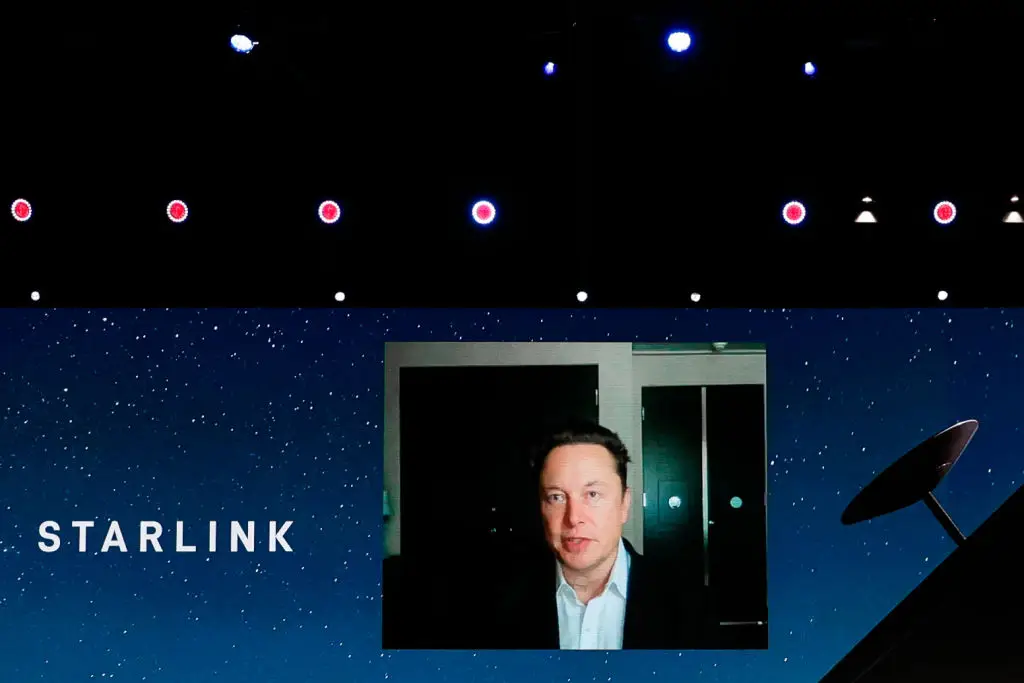
In late October 2026 SpaceX limited the high-speed capability of its satellite internet service for Ukraine, capping terminal speeds at roughly 160 km/h (100 mph) and disrupting drone-based air-defence operations. Within days the Ukrainian Ministry of Defence reported speeds had returned to over 400 km/h, restoring full functionality for both the commercial Starlink network and its military-grade counterpart, Starshield.
02
Background & Context
Starlink has been supplied to Ukraine since February 2022, providing a resilient communications backbone for frontline units. Starshield, built on the same low-Earth-orbit architecture, is a U.S.-government-controlled system used for secure drone command and control.
Visual evidence
Images from the story





03
Timeline
- October 14 2026 – Musk says speed limits on Starshield are decided by the U.S. military and the president.
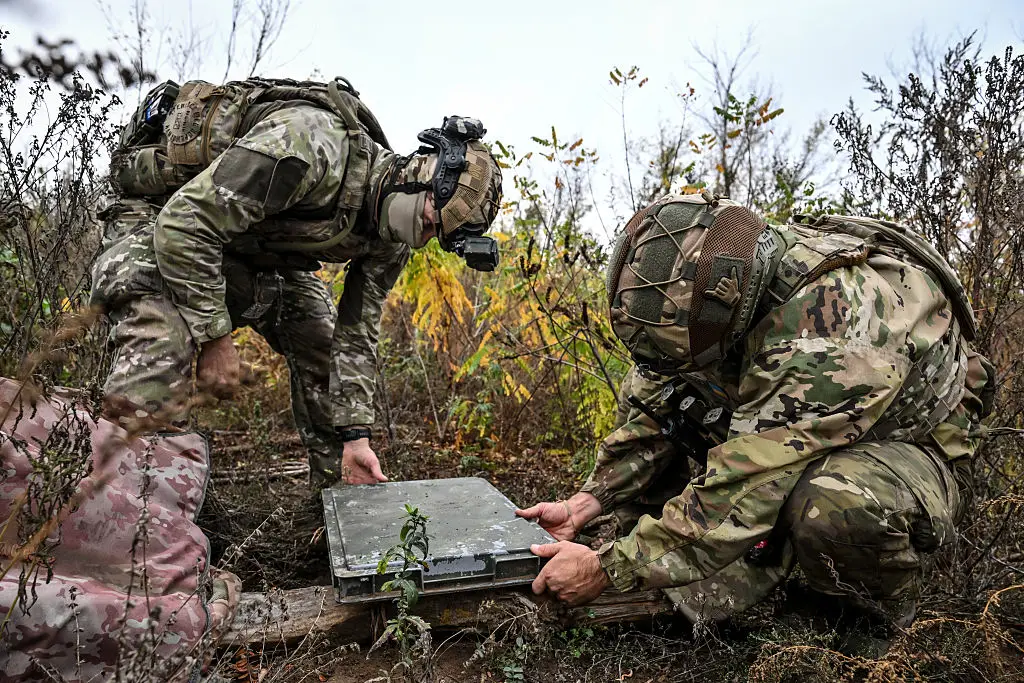
- October 16 2026 – An artilleryman sets up a terminal near the Donetsk frontline; civilian Starlink is limited to 70-90 km/h and does not operate in Russian-occupied territory.
- October 21 2026 – The Wall Street Journal reports Musk ordered the slowdown.
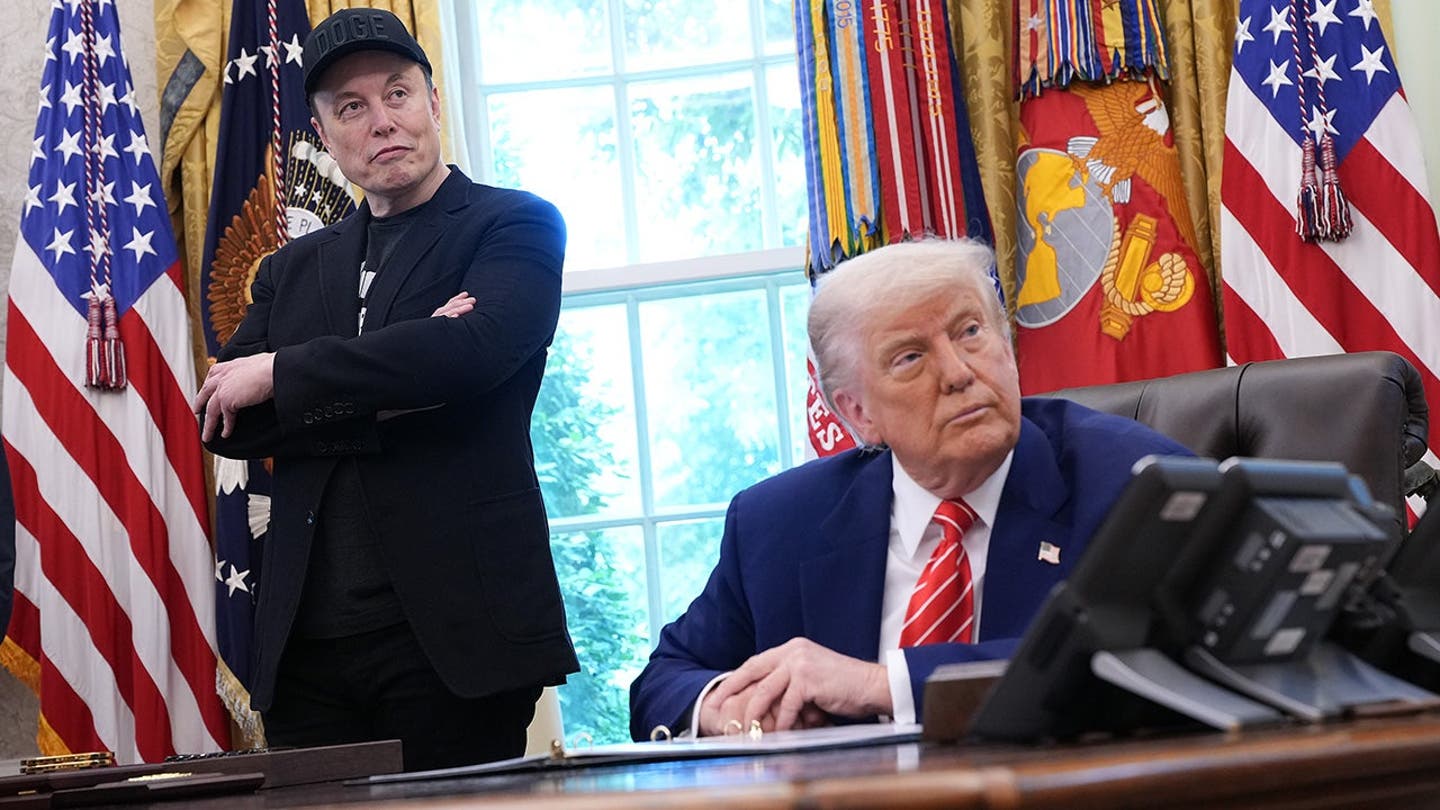
- October 23 2026 – Reuters notes prior U.S. requests for service adjustments; President Donald Trump calls Musk to ask for the restrictions to be lifted.
- October 24 2026 – Ukraine announces that Starlink and Starshield have resumed pre-restriction speeds; Musk repeats his accusation that Ukraine violated the terms of service.
04
Official Statements & Responses
- Elon Musk – asserted that the “loophole” allowing offensive drone strikes was closed and that Starshield is owned and controlled by the U.S. government.
- Volodymyr Zelenskyy – confirmed both services were operating at the required speeds and thanked U.S. partners for the restoration.
- Yevheniy Khmara – reported monitoring systems recorded a recovery in speeds.
- Donald Trump – denied involvement in the throttling decision and said he had not spoken with Musk about it.
- Marco Rubio – stated the president does not direct Starlink or Starshield decisions.
- Jason Crow – warned that “unelected billionaires and private corporations should not decide what is in the best interest of America’s national security.”
05
Criticism & Opposition
- Armand Musey, president of Summit Ridge Group, highlighted ambiguity surrounding Musk’s decision-making, questioning whether actions stem from personal quirks or external influence.
- Dan Crenshaw, Texas Republican representative, called Musk’s justification “one of the contradictions” and emphasized the danger of a sovereign nation depending on a single private company for critical defense communications.
06
On-the-Ground Reports
Ukrainian troops in Donetsk experienced intermittent connectivity as terminals hit the speed ceiling, forcing cancellation of several drone interception missions. The restored high-speed link allowed operators to guide interceptor drones in real time, improving air-defence effectiveness.
07
Conflicting Reports & Gaps
- Source of the slowdown – Musk blamed an unnamed U.S. authority; Trump denied involvement; Reuters cited White-House officials as the origin of the order.
- Use of Starlink for offense – Musk claims the service was used for offensive strikes; advisers argue technical limits make such use impossible.
- Speed limit figures – Some outlets cite a 100 mph cap, others reference 160 km/h; both appear in source material.
08
What’s Next
European nations are accelerating plans for sovereign satellite communications, exemplified by the EU’s IRIS² constellation slated for launch after 2029. Ukraine is also pursuing partnerships with Nokia, ICEYE, and other firms to develop alternative systems, reflecting growing concerns about reliance on a single private provider.