
Full Breakdown
Trump-Putin Diesel Deal Sparks Legal and Political Clash
By Drooid · · How we work
In this breakdown
01
Core Event
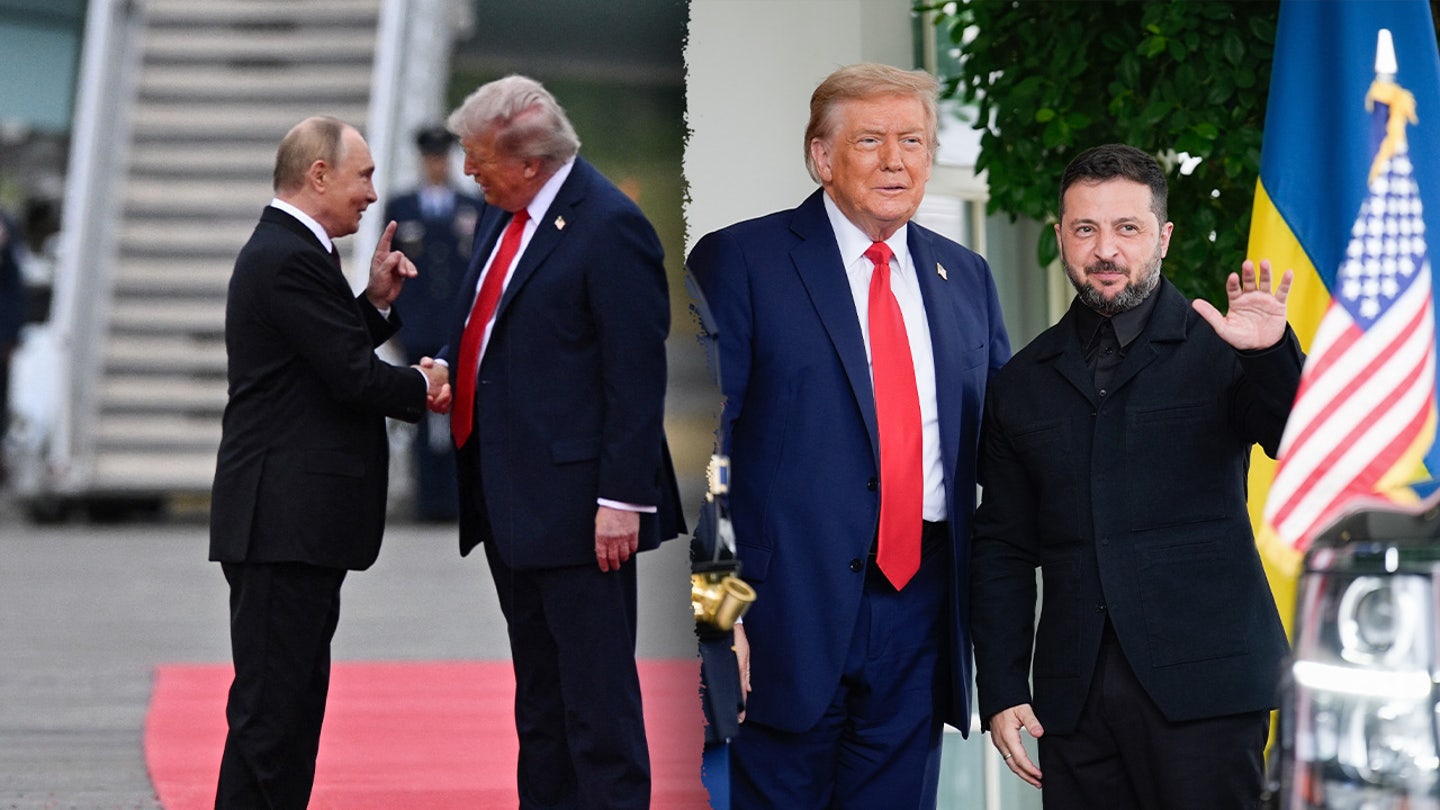
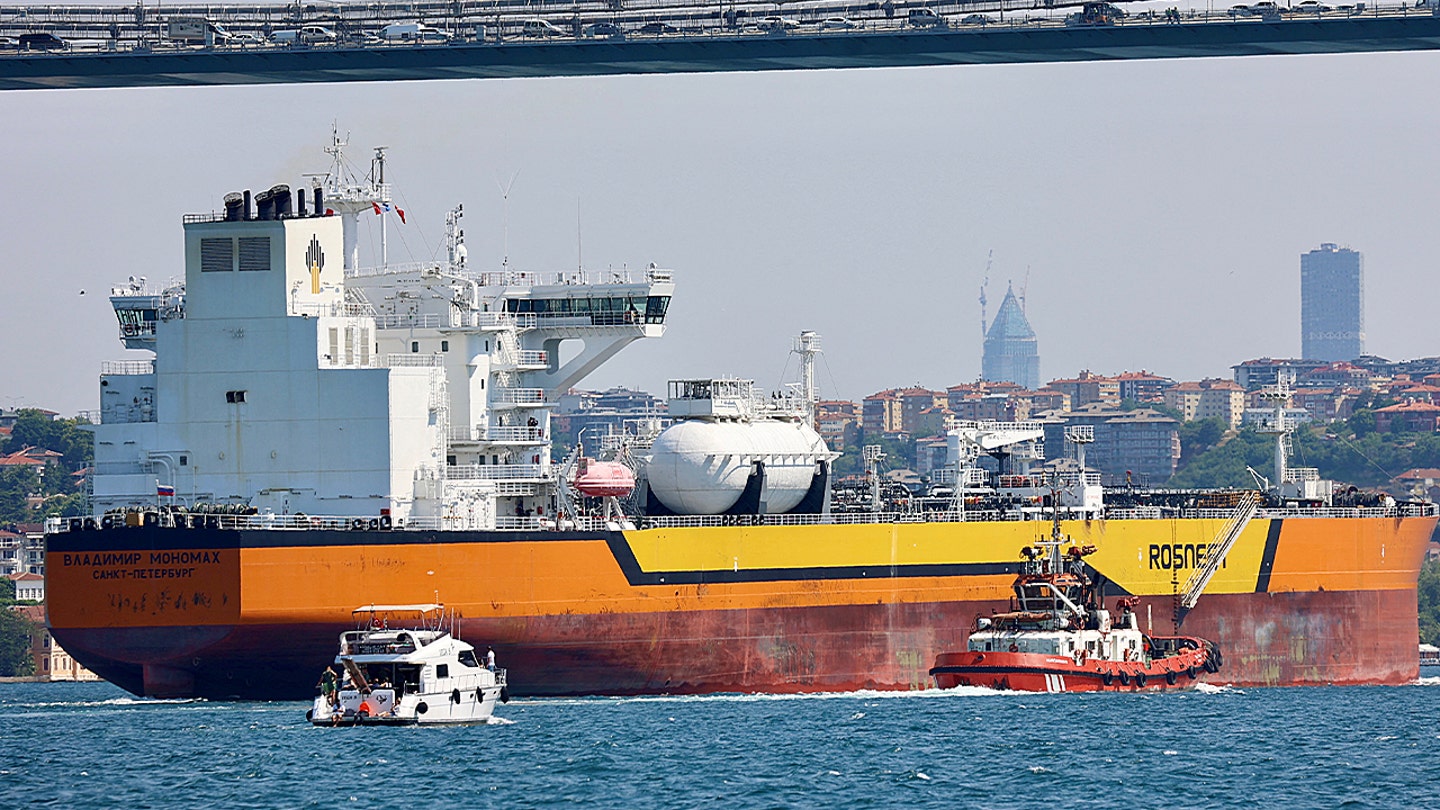
The Trump administration has temporarily lifted sanctions on Russian diesel, permitting imports under General License 135. The waiver follows an October 9 agreement between President Donald Trump and President Vladimir Putin that calls for Russia to supply an initial 300,000 metric tons of diesel, followed by 500,000 metric tons in November and up to 1 million metric tons per month thereafter. The Treasury’s license, issued on April 7 2027, authorizes related transactions through that date.
Watch
Related reporting
akamaized
Energy Secretary on Russian diesel headed to U.S.: This is Trump trying to use different diplomacy
02
Background & Context
Since Moscow’s 2022 invasion of Ukraine, the United States has barred imports of Russian petroleum products under the Ending Importation of Russian Oil Act of 2022. The law requires the president to certify that Russia has ended hostilities, poses no NATO threat, and respects Ukrainian self-determination before any waiver. The current waiver is presented as a “carrot” to encourage Moscow to end the war and to ease U.S. diesel price pressures.
Visual evidence
Images from the story
03
Data & Statistics
- Planned shipments total at least 800,000 metric tons for October-November, potentially rising to 1 million metric tons per month.
- The first 300,000-ton tranche equals roughly 75,000 barrels per day if spread over a month; the 500,000-ton tranche equals about 124,000 bpd.
- Global diesel demand is around 28 million barrels per day.
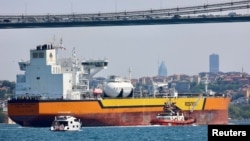
- As of early November, three tankers—Agioi Fanendes (?40,000 t), Talisman (?20-year-old vessel), and Leruo—are en route, with arrivals expected in early November.
04
Official Statements & Responses
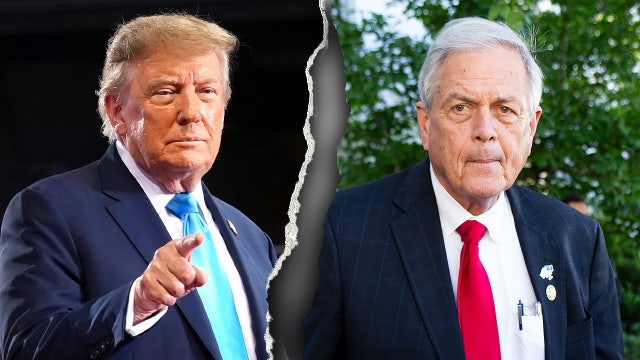
President Trump framed the deal as a means to lower diesel prices ahead of the November 3 midterm elections. Russian Deputy Prime Minister Alexander Novak confirmed the tanker movements and criticized U.S. lawmakers opposing the arrangement, calling their stance “surprising.” The White House dismissed congressional letters as politically motivated, with spokesperson Taylor Rogers asserting that Democrats are “telegraphing” a long-standing obsession with investigating the president.
05
Criticism & Opposition
Ukrainian President Volodymyr Zelenskyy denounced the deal, arguing it funds Moscow’s war effort. Senators Richard Blumenthal, Jeanne Shaheen, Ron Wyden, Sheldon Whitehouse, Chris Coons, Elizabeth Warren, and Thom Tillis sent letters to banks and port authorities demanding preservation of transaction records by October 28 and warning that participation could violate federal law. Representative Jamie Raskin warned of penalties of up to 20 years in prison for illegal imports.
06
Conflicting Reports & Gaps
Legal experts disagree on the waiver’s compatibility with the 2022 import ban.
- Statutory violation view: Lawmakers cite the Ending Importation of Russian Oil Act and the Countering America’s Adversaries Through Sanctions Act, asserting that the administration has not met the required congressional review and that the waiver “could violate federal law.”
Both positions are supported by multiple outlets, creating a clear legal dispute.
07
Verbatim Quotes
- “The concern that the president has violated a law from 2022 that prohibits the importation is actually not founded in law, so the president certainly has the authority in this case to provide the authorization,” — Jeremy Paner, partner, Hughes Hubbard & Reed
- “General License 135 covers a broad range of Russian diesel transactions and substantially reduces US sanctions risk for foreign firms that stay within its terms,” — Michael Wain, senior international trade policy adviser, Akin