
Full Breakdown
Iran’s Supreme Leader and Security Chief Reaffirm War-Ending Conditions and Hormuz Control
By Drooid · · How we work
In this breakdown
01
Meeting Overview
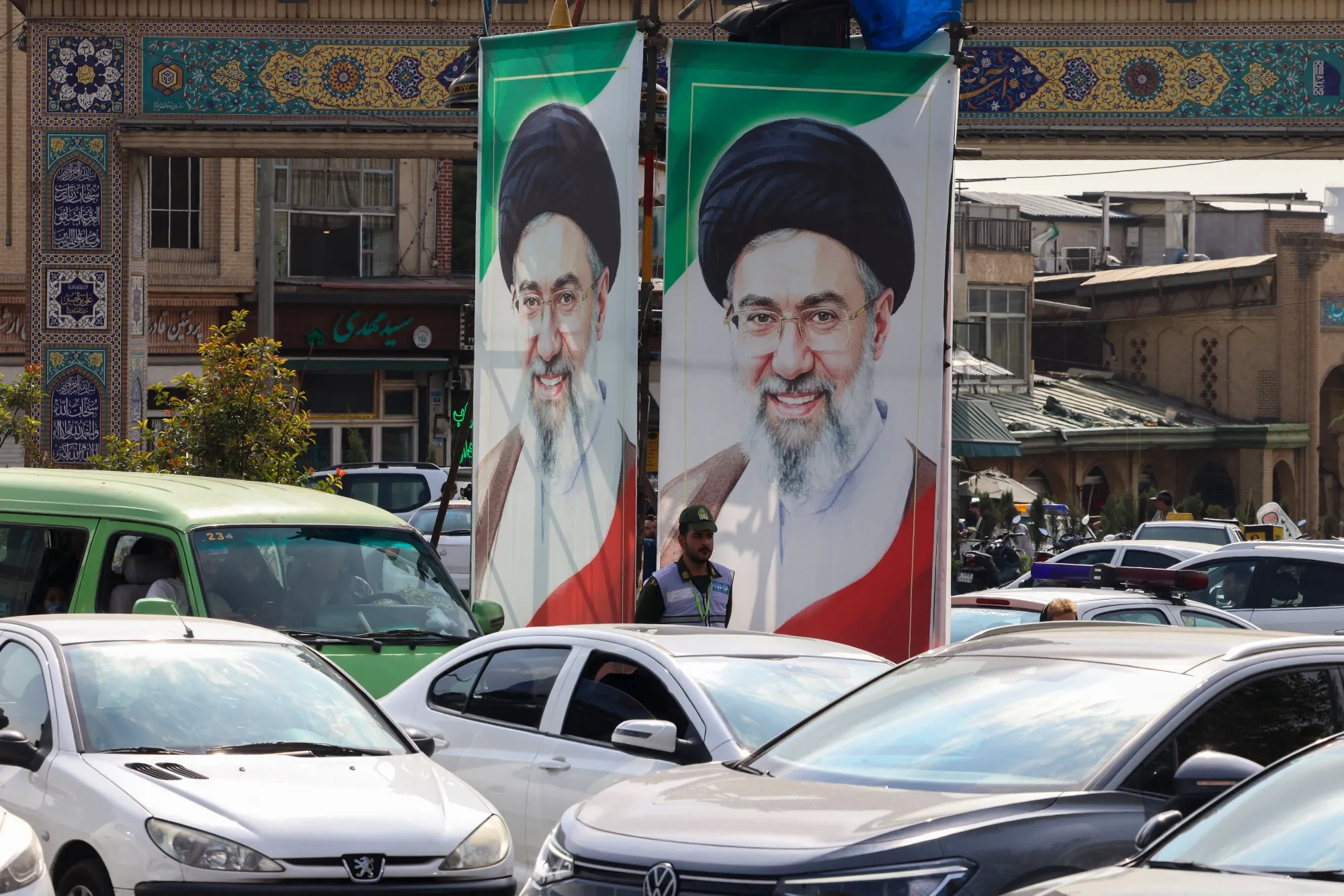
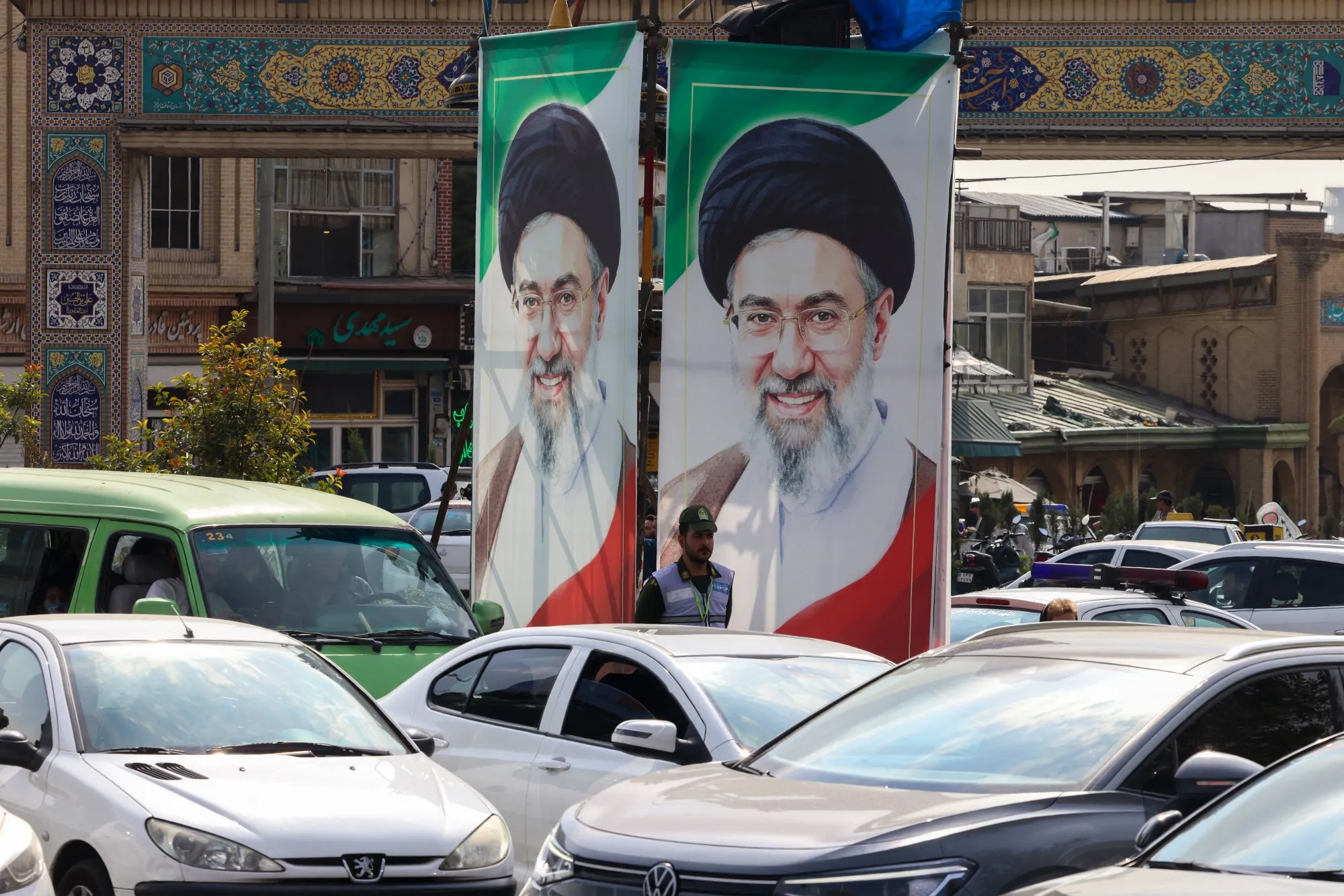
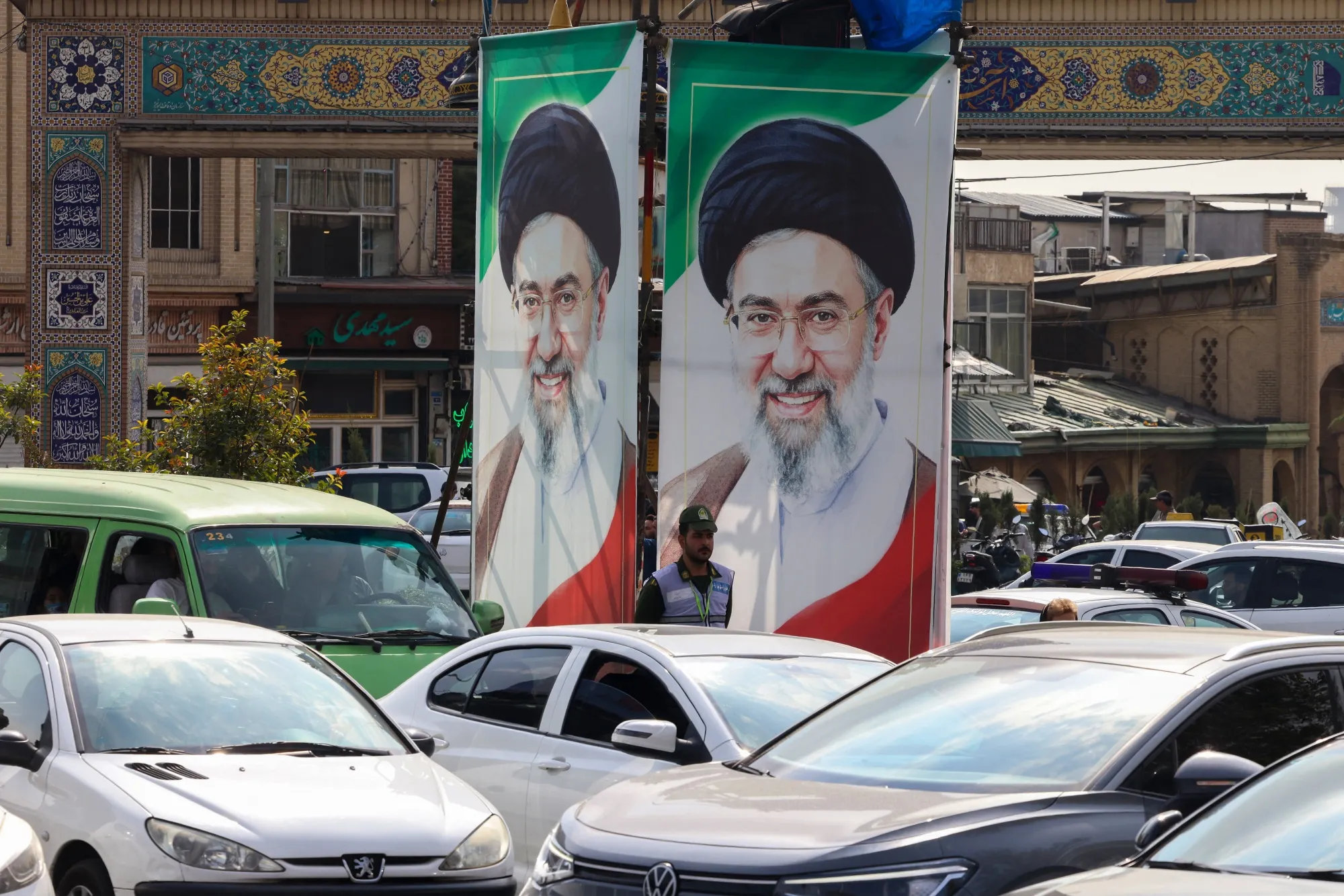
On October 27, Supreme Leader Ayatollah Mojtaba Khamenei met with National Security Council chief Mohsen Rezaei in Tehran. The gathering, reported by both Iranian state media and international outlets, was the first high-level contact between Khamenei and the security chief since the Supreme Leader succeeded his father in March. The two officials discussed “protecting national and regional security” and the strategic importance of maintaining Iranian control over the Strait of Hormuz.
02
Conditions for Ending the War
According to a Telegram statement released by the Iranian leadership, Khamenei reiterated that the United States must lift the naval blockade of Iranian ports in the Persian Gulf and remove sanctions on Iranian oil exports before any peace talks can proceed. The statement also referenced Iran’s demand that the United States cease its “neither war nor peace” stance. U.S. Vice President JD Vance has previously warned that Iran must reduce its nuclear enrichment to achieve an end to hostilities, a point Tehran has dismissed as unrelated to its current demands.
Visual evidence
Images from the story
03
Regional Diplomatic Activity
The meeting occurred amid a broader diplomatic push involving Saudi Arabia, Turkey, Pakistan, and Qatar. Representatives from the three Mecca-pact nations visited Tehran on Monday, marking the first such engagement since the war sparked by U.S. and Israeli strikes in February. China’s Foreign Ministry announced the dispatch of special envoys to the region to help prevent further escalation. In parallel, Iranian President Masoud Pezeshkian attended a gas summit in Moscow, meeting Qatar’s Emir Sheikh Tamim bin Hamad Al Thani and planning a discussion with Russian President Vladimir Putin.
04
Official Responses
Iranian officials emphasized that discussions of the nuclear program would be postponed until the United States meets Tehran’s preconditions. The United States, while urging restraint, continues to link any de-escalation to reductions in Iran’s uranium enrichment activities.