
Full Breakdown
Volkswagen Begins Level 3 Autonomous Driving Tests in Hefei, China
By Drooid · · How we work
In this breakdown
01
Core Event: L3 Test Permit Granted in Hefei
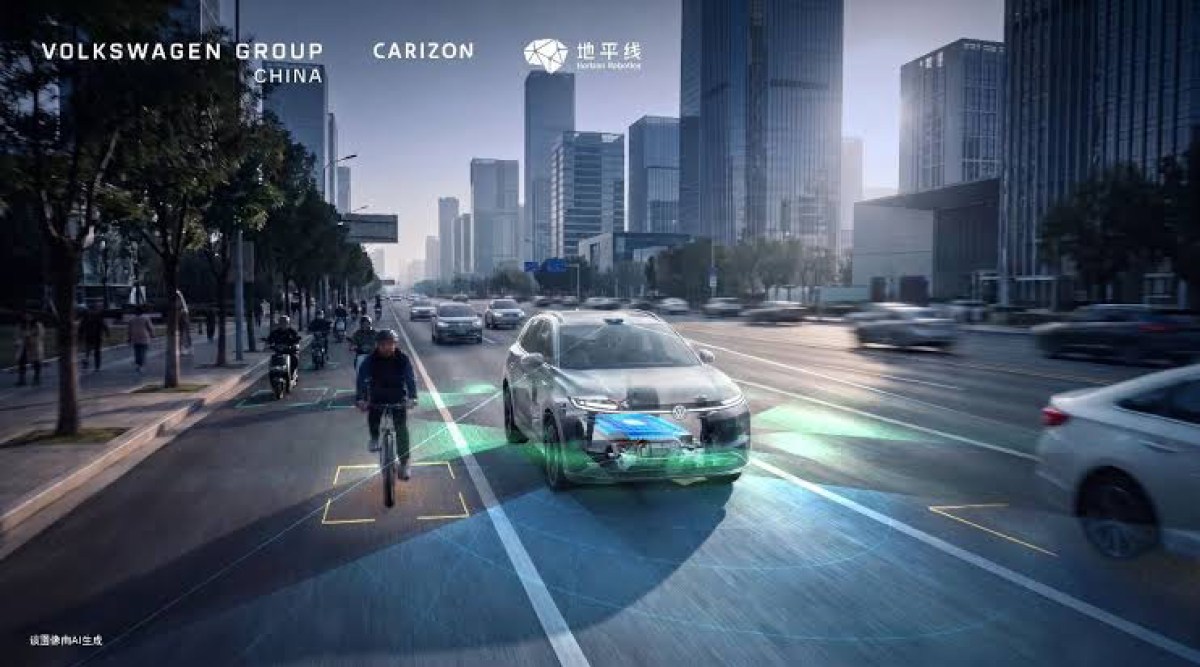
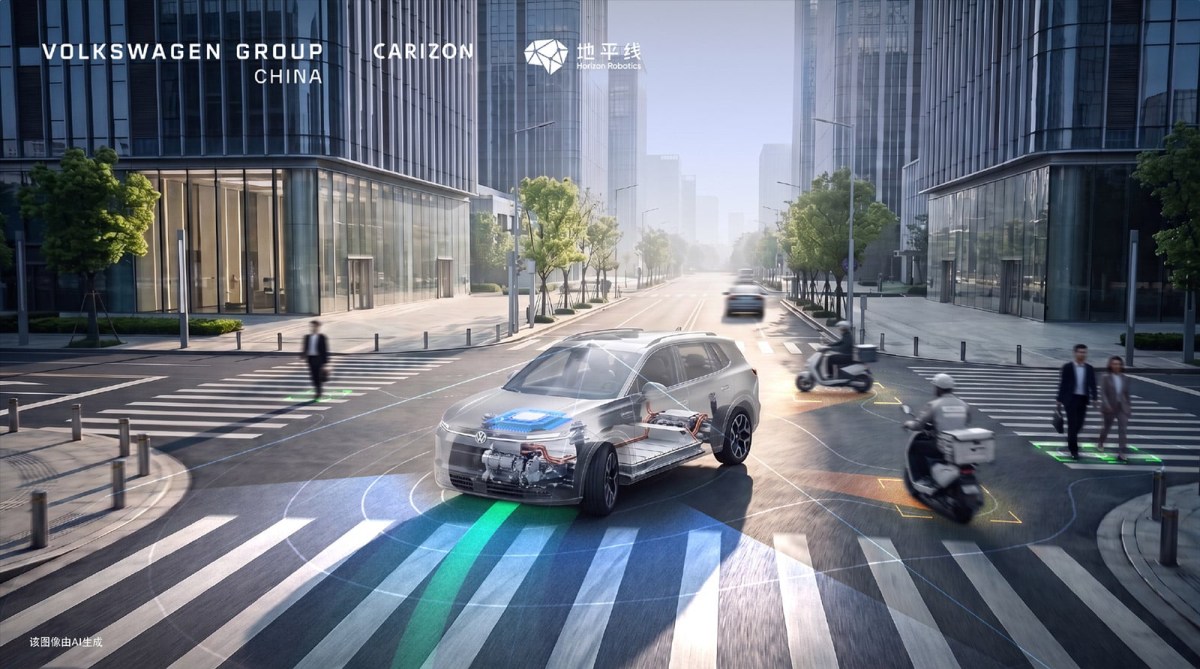
Volkswagen Group China has obtained a public-road test permit for Level 3 (conditional) autonomous driving in Hefei, Anhui province. The permit allows real-world trials and data collection across the city’s street network. The testing phase is under way; the permit does not authorize sales of L3-equipped vehicles.
02
Background & Context
The test fleet runs on the Hyper Sense 8 (HS8) driver-assistance system developed by CARIZON, a joint venture between Volkswagen’s software arm Cariad and Horizon Robotics. CARIZON’s stack combines the GAIA 2.0 world model with a custom C7H system-on-chip that Volkswagen says can eventually support Level 4 autonomy.
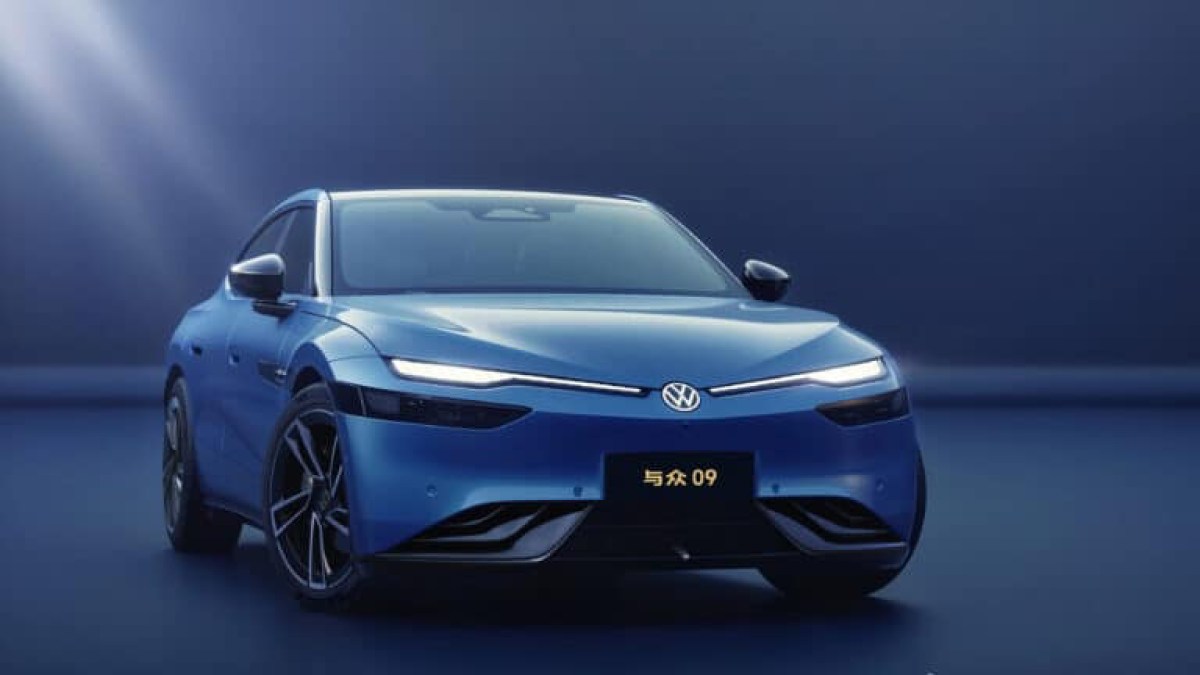
Volkswagen’s China autonomy strategy targets L3 readiness in 2027, with an interim rollout of an L2++ system on seven new NEV models from its Chinese joint ventures this year. The company also holds a roughly 5 % stake in XPeng and collaborates on the China Electrical Architecture (CEA).
China’s Ministry of Industry and Information Technology (MIIT) issued its first formal Level 3 product approvals in late 2025 to two domestic sedans. Other Chinese firms—GAC’s Hyptec brand and XPeng—already operate L3 road-test permits, placing Volkswagen in a catch-up position.
Visual evidence
Images from the story


03
Data & Statistics
- Simulation capacity: 5 million km of safety testing per day, based on roughly 30 million real-road scenario clips; Volkswagen aims to double this to 10 million km daily.
- Hardware development: the C7H system-on-chip is being engineered for Level 4 computational loads.
- Software rollout: L2++ assistance is slated for seven new NEV models in China this year.
- Investment: Volkswagen committed €2.4 billion to CARIZON, retaining a 60 % controlling stake.
04
Official Statements & Responses
Frank Han, executive vice-president of Volkswagen Group China and chief executive of Cariad China, said the firm intends to achieve Level 3 capabilities in 2027 and to explore Level 4 autonomy by 2029.
An MIIT official, speaking on October 22, indicated that work on a second batch of Level 3 product-approval pilots was already in progress.
05
Criticism & Opposition
Elon Musk, CEO of Tesla, has argued that pursuing Level 3 autonomy is a distraction, contending that the handover period—where a driver must resume control within seconds—poses safety risks. Several autonomous-driving leads at Chinese startups have echoed this view, suggesting the industry should aim directly for Level 4 robotaxi solutions.
06
Conflicting Reports & Gaps
Public sources do not disclose which specific regulatory authority issued Volkswagen’s permit, the number of vehicles in the test fleet, or the exact road routes permitted for testing. While some outlets note that GAC’s Hyptec and XPeng already hold L3 permits, the timing and scope of those permits are not uniformly reported.
07
What’s Next
Volkswagen targets the start of conditional L3 deliveries in the second half of 2027, contingent on separate product-clearance approvals from MIIT. The regulator’s October 22 statement suggests a second wave of L3 product-approval pilots is under development, which could pave the way for broader commercial rollout once safety and liability frameworks are finalized.