
Full Breakdown
Grand Jury Declines to Indict Former Trump Aide Cassidy Hutchinson
By Drooid · · How we work
In this breakdown
01
Core Event: Grand Jury Rejects Indictment
On October 27, 2026, a federal grand jury in Washington, D.C., returned a “no-bill,” declining to charge former White House aide Cassidy Hutchinson. Prosecutors from the Civil Rights Division had presented evidence that Hutchinson may have made false statements to the House Select Committee investigating the January 6, 2021 Capitol attack. The decision leaves the indictment effort unfinished but does not preclude future attempts.
Watch
Related reporting
cbsnews
Video: CBS News 24/7
02
Background & Context
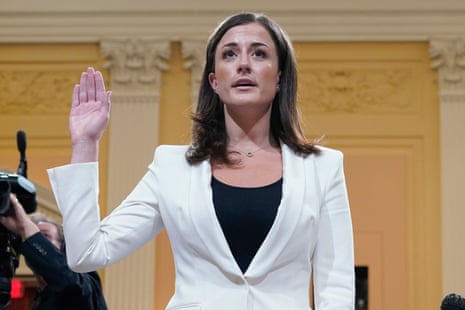
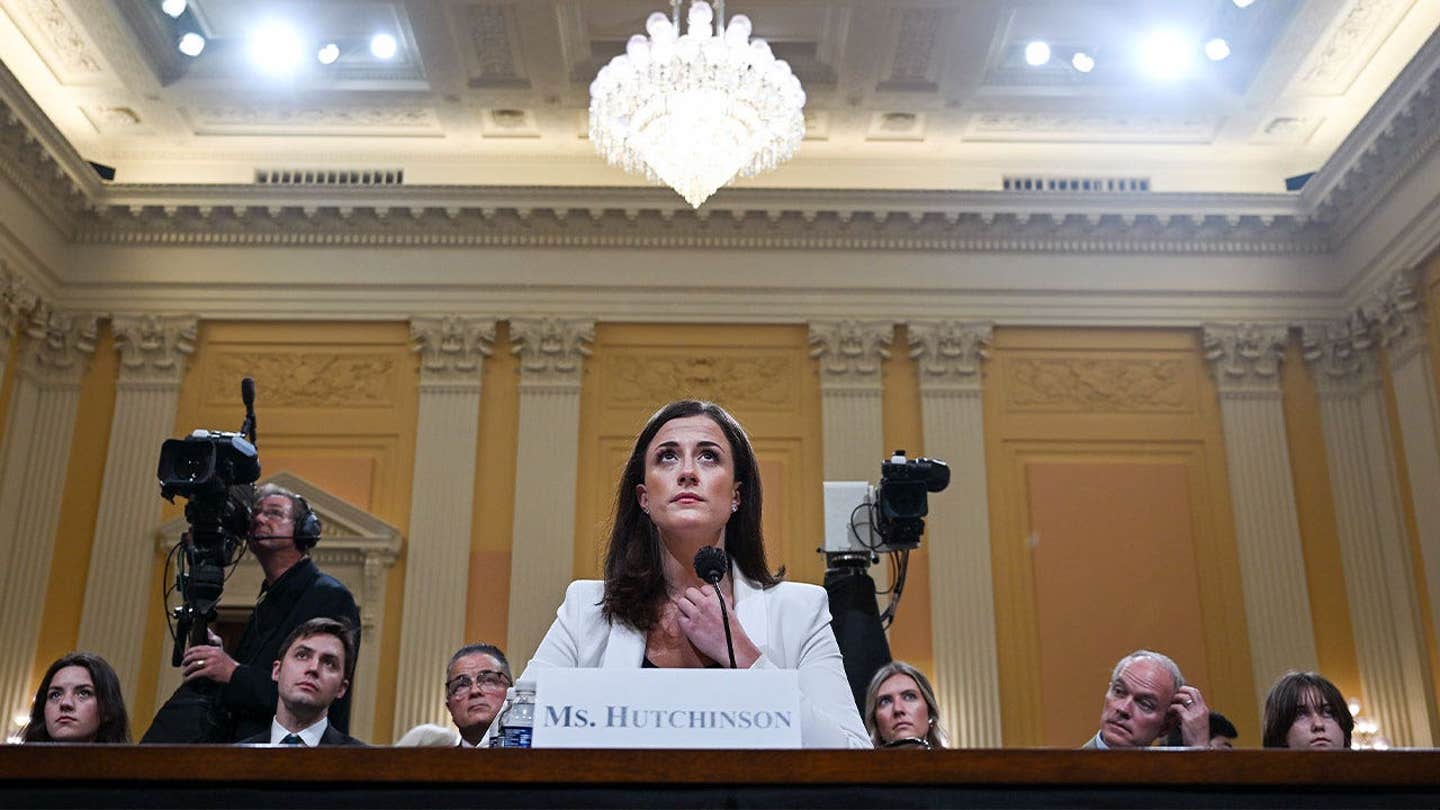
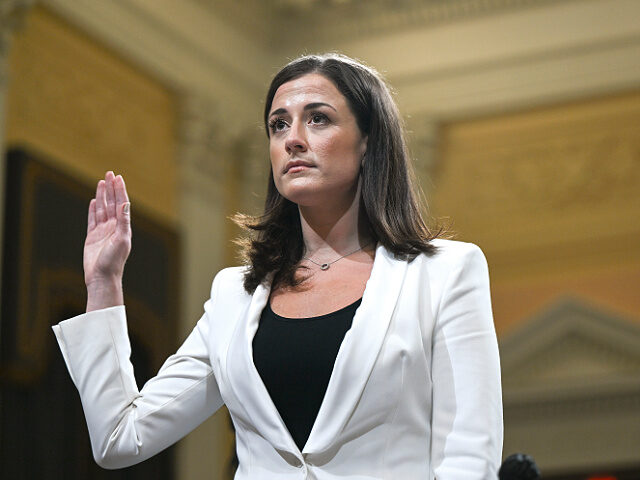
Hutchinson, a senior aide to then-White House chief of staff Mark Meadows, testified on June 28, 2022 before the committee. She described President Donald Trump as “agitated” on January 6, aware that supporters were armed, and attempting to seize the steering wheel of the presidential limousine when a Secret Service agent refused to drive him to the Capitol. Trump called Hutchinson a “total phony” on Truth Social. Republican Representative Barry Loudermilk referred Hutchinson to the Justice Department in 2024, seeking perjury or obstruction charges.
Visual evidence
Images from the story


03
Data & Statistics
- Grand jury decision: “no-bill” on October 27, 2026.
- The Justice Department’s Civil Rights Division, led by Harmeet Dhillon, oversaw the investigation.
- Prior grand jury refusals in the same period involved other political figures.
04
Official Statements & Responses
- The Justice Department did not immediately comment.
- Attorney General Todd Blanche previously said grand juries “don’t get everything right” and that the department would continue investigations where evidence permits.
- Trump urged prosecutors to charge Hutchinson, a stance echoed by some Republican allies who described the effort as “lawfare.”
05
Criticism & Opposition
Legal analysts noted the rarity of grand juries rejecting indictments, emphasizing that prosecutors need only show probable cause. Some DOJ officials reportedly worried that pursuing charges without sufficient evidence could appear politically motivated.
06
Conflicting Reports & Gaps
The driver affirmed Trump’s insistence on going to the Capitol but denied any physical altercation. Hutchinson said she relayed the incident from a White House security official, not from personal observation. The grand jury’s deliberations did not disclose which specific statements were under scrutiny, leaving a gap in public understanding of the evidentiary basis.
07
Why It Matters
The decision occurs amid a series of DOJ actions targeting individuals who have criticized President Trump, including former FBI Director James Comey and Rep. Ilhan Omar. The outcome may influence perceptions of the Justice Department’s independence ahead of the midterm elections and could affect future attempts to hold witnesses accountable for congressional testimony.
08
What’s Next
The Justice Department may present additional evidence to the same grand jury later in the month. No further court dates have been scheduled, and Hutchinson’s legal team has not confirmed whether she will be subpoenaed for additional testimony.