
Full Breakdown
France’s “Rioters-Pay” Bill: Senate Debate Over Financial Liability for Protest Damage
By Drooid · · How we work
In this breakdown
01
Core Event
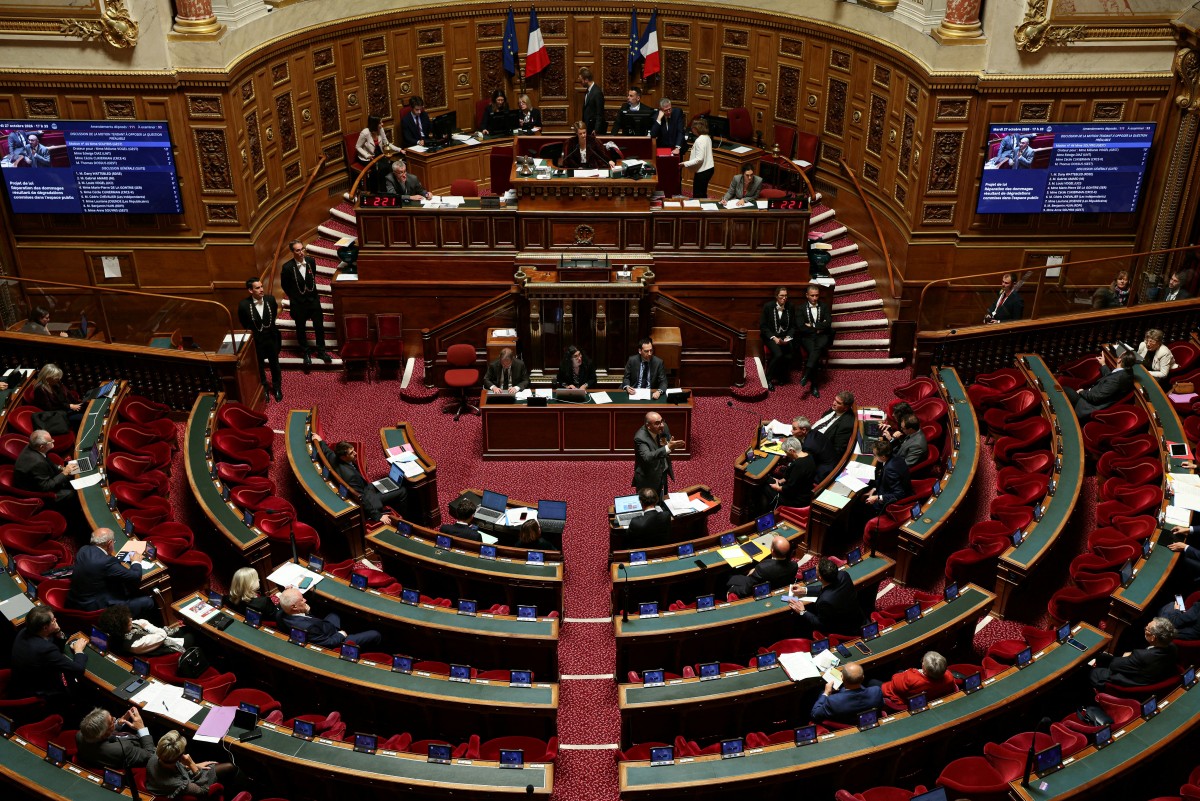
On Oct 27 2026 the French Senate debated a bill that would allow authorities to order protesters to pay up to €10,000 for property damage caused during street demonstrations, even when they did not personally commit the vandalism.
Watch
Related reporting
ddhq
What to know about Flydubai cockpit clash as pilot is arrested
ddhq
What to know about Flydubai cockpit clash as pilot is arrested
02
Background & Context
The legislation was first drafted after riots that followed Paris Saint-Germain’s victory over Arsenal in May 2026. It gained urgency after weeks of nationwide protests over inequality and soaring prices, culminating in looting and arson on Oct 17 2026. The government placed the bill on an accelerated parliamentary agenda on Aug 31 2026 and launched a fast-track procedure on Sept 18 2026.
Visual evidence
Images from the story





03
Timeline
- Aug 31 2026 – Bill added to parliamentary agenda.
- Sept 18 2026 – Accelerated procedure launched.
- Oct 17 2026 – Widespread violence and looting.
- Oct 21 2026 – Senate Law Commission approved the text.
- Oct 27 2026 – Senate debate; vote scheduled for Oct 28 2026.
04
Data & Statistics
- Maximum civil liability per person: €10,000.
- Parents could be held liable for damages caused by their children.
- Proposed seizure of family allowances, housing assistance, and the Revenu de Solidarité Active to cover unpaid compensation.
- Approximately 70,000 police officers were deployed during the unrest, and about 2,400 arrests were recorded.
05
Criticism & Opposition
Left-wing senators, including Fabien Gay (Communist) and Melanie Vogel (Green), denounced the measure as “legal travesty” and “collective punishment,” arguing it would deter lawful assembly.
06
Verbatim Quotes
- “We must not give the impression that this Bill would criminalise a passer-by or a peaceful protester,” — Olivier Bitz
- “If passed, this bill would be a deeply regressive step,” — Nathalie Godard, Amnesty International France
- “Seizing family allowances, housing assistance, or the active solidarity income could have disastrous consequences for some of the most vulnerable people.” — Natalie Goddard, director
- “Existing law already allows for the penalty of expulsion from French territory. We are therefore deeply concerned that this amendment may introduce xenophobic rhetoric into the legislative debate, and further fuel the scapegoating of refugees, migrants, asylum seekers and minorities,” — Nathalie Godard, director
- “This unfair law, which is a serious attack on the freedom to demonstrate, should be abandoned, or risk a major step back for the rule of law.” — France’s Human Rights League
07
Why It Matters / Impact
If enacted, the bill would shift restitution from perpetrators to broader protest participants, potentially chilling peaceful assembly. The amendment expanding expulsion powers for foreign nationals raises concerns about xenophobic rhetoric and non-refoulement. Critics say the law conflicts with France’s constitutional guarantee of the right to protest and with international human-rights obligations that require individual culpability.
08
What’s Next
The Senate is expected to vote on the bill by Oct 28 2026. If passed, the text must be reviewed by the Constitutional Council before becoming law. Amnesty International and other civil-society groups have called on lawmakers to reject the proposal. The outcome will shape the legal landscape for public demonstrations in France ahead of the upcoming presidential election.