
Full Breakdown
Indonesia’s 2026 El Niño-Driven Peat Fires Spark Health Crisis, Massive Carbon Release and Regional Tensions
By Drooid · · How we work
In this breakdown
01
The Crisis Unfolds
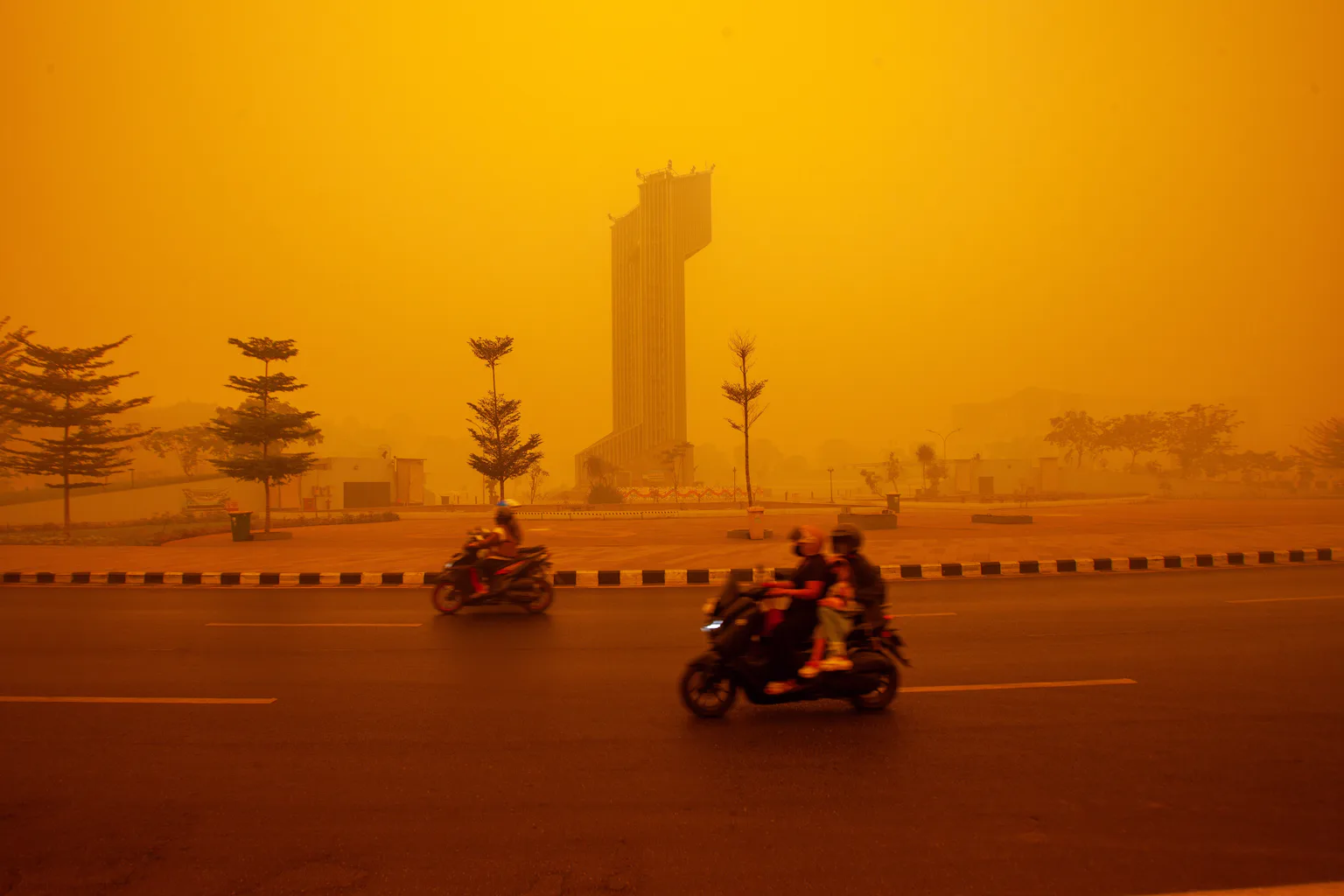
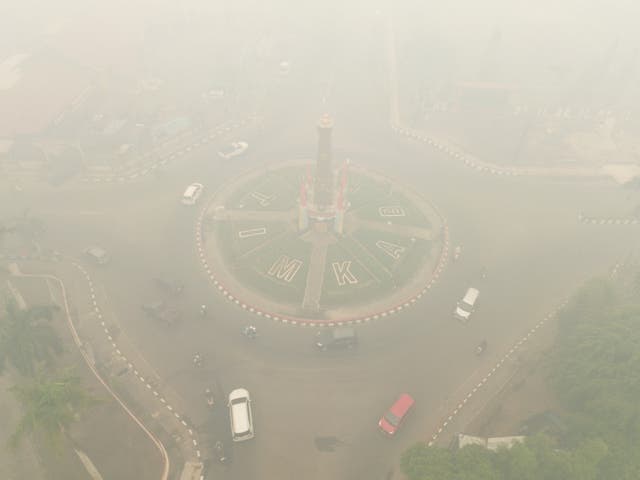
An unusually strong 2026 El Niño has produced a prolonged dry spell across Indonesia, igniting peatland fires that have generated a haze of unprecedented severity. Measurements of fine particulate matter (PM2.5) regularly exceed 500 µg /m³, far above the World Health Organization’s 24-hour safe limit of 15 µg /m³. The plume has spread to Malaysia, Brunei, southern Thailand and Singapore, prompting a public-health emergency.
02
Background & Context
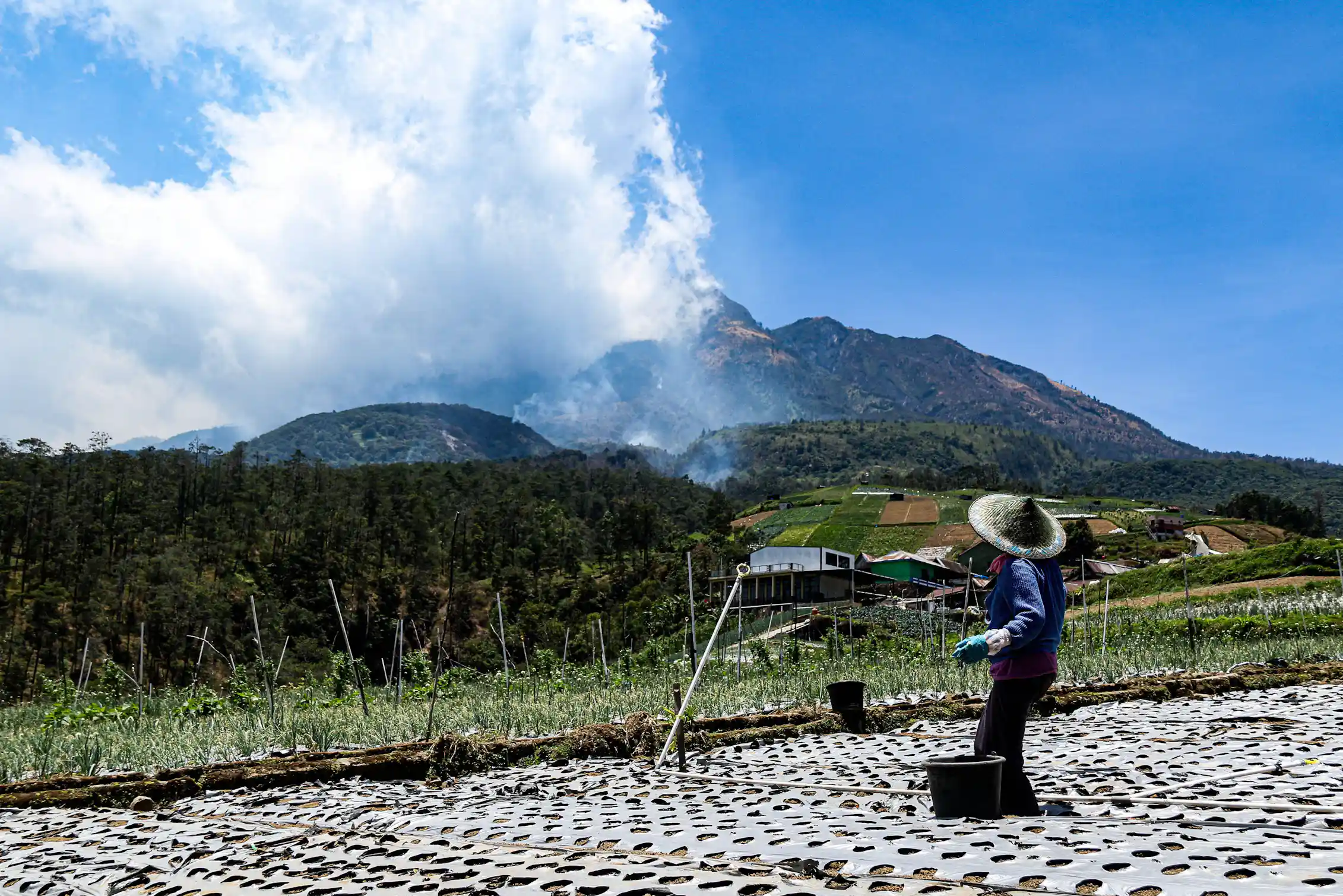
Lowland tropical forests on peat soils historically resisted fire because of their moisture. Decades of deforestation, forest fragmentation and large-scale peatland drainage for agriculture have dried these soils, making them highly flammable. During drought, fire is commonly used to clear land or waste; on drained peat, fires smoulder underground for weeks, releasing carbon stored for centuries.
Visual evidence
Images from the story
03
Data & Statistics
- Carbon emissions: Fires have released an estimated 175 million tonnes of carbon, roughly three-quarters of Indonesia’s annual fossil-fuel CO2 output.
- Fire hotspots: Satellite analysis shows more than 120,000 hotspot detections across Indonesia—seven times the 2025 total.
- Health impact: The health ministry reports over 333,000 cases of acute respiratory infections in seven provinces since mid-August.
- Land burned: The Nusantara Atlas records over 1.9 million ha burned in the nine months to September.
- Gas export cut: Indonesia reduced natural-gas exports to Singapore by 31 million scf per day.
04
Official Statements & Responses
- Bahlil Lahadalia, Indonesia’s energy minister, announced an evaluation of further export halts for countries that “disrespect Indonesia,” emphasizing a “survival mode” priority for domestic resources.
- Singapore’s Energy Market Authority noted the cut represents less than 2 % of the city-state’s daily gas demand and confirmed contingency plans are in place.
- Arthur Joseph Kurup, Malaysia’s environment minister, affirmed his country’s right to demand effective action from Indonesia and will raise the haze issue at an upcoming ASEAN meeting in Manila.
05
On-the-Ground Reports
Wildlife teams have rescued dozens of orangutans from the burning zones. A baby orangutan, Irene, was treated by Dr Karmele Llano Sanchez of Yayasan Inisiasi Alam Rehabilitasi Indonesia (YIARI). International Animal Rescue reports that at least 51 orangutans have been saved in West Kalimantan, with ongoing veterinary care at a rehabilitation centre.
06
Conflicting Reports & Gaps
Researchers caution that satellite systems may underestimate the true number of peat fires, because smouldering peat emits lower temperatures that are harder to detect. Improved remote-sensing technologies are being advocated, but rapid data delivery to responders remains a challenge.
07
Why It Matters
The haze poses immediate health threats, contributes a permanent transfer of centuries-old carbon to the atmosphere, and strains diplomatic relations as Indonesia curtails energy exports. The crisis underscores the urgency of restoring drained peatlands and establishing a national peatland and mangrove management agency tasked with re-wetting and protecting vulnerable ecosystems.
08
What’s Next
The 2026 El Niño is projected to intensify through the end of the year, prolonging drought conditions. Indonesia plans to launch the new peatland-management agency and adopt advanced fire-detection tools, while regional governments are urged to integrate temperature forecasts, fire activity, smoke transport predictions and air-quality monitoring into joint warning systems.