
Full Breakdown
Protests and Security Clampdown Over Arunachal Pradesh’s Siang Upper Multipurpose Project
By Drooid · · How we work
In this breakdown
01
Core Event: Violent Clashes and Arrests During Anti-Dam Bandh
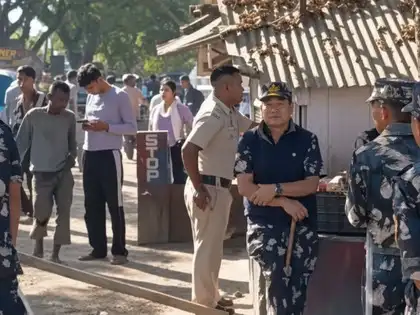
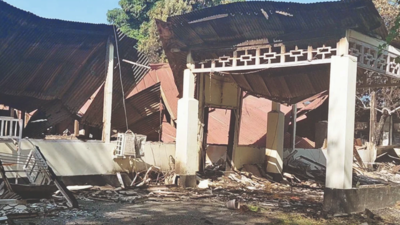
On October 23 a 12-hour bandh in Siang, Upper Siang and East Siang districts ended with arson in Pasighat. Protesters set fire to an NHPC office and a police station and damaged homes of state BJP president Kaling Moyong and MLA Ninong Ering. Police said 26 people, including five juveniles, were arrested; four women were treated for tear-gas exposure and over 40 police were injured in stone-pelting. The state deployed additional security and, on October 25, the Union government air-lifted two Rapid Action Force companies. Restrictions on public gatherings were imposed under Section 163 of the Bharatiya Nagarik Suraksha Sanhita.
02
Background & Context: Strategic Counter to China’s Upstream Hydropower
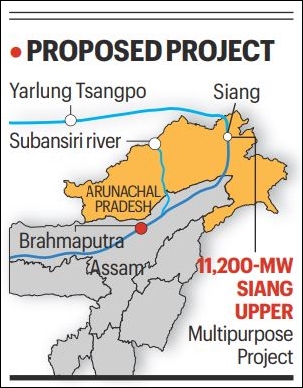
India presents the 11,200-MW Siang Upper Multipurpose Project (SUMP) as a “national security necessity” to offset China’s 60,000-MW Medog dam on the Yarlung Tsangpo. Officials say a large reservoir would store water, mitigate sudden releases from the upstream Chinese dam and strengthen India’s water- and energy-security posture.
Visual evidence
Images from the story

03
Data & Statistics
- Proposed capacity: 11,200 MW (reported also as 11,000 MW).
- Investment: INR1.5–2 lakh crore.
- Live storage target: ? 9 billion m³.
- Villages at risk: 27 (other sources cite 32 or 40–50).
- Affected households in Geku: ? 1,000 families.
- Arrests: 26; injuries: four women (tear-gas) and over 40 police.
04
Timeline
- Sept 1 – Adi community in Geku shortens Solung festival.
- Sept 29 – CM Pema Khandu says the project will not proceed beyond feasibility if studies deem it unsuitable.
- Oct 23 – Bandh; violence and 26 arrests.
- Oct 24 – Khandu offers talks, reiterates pre-feasibility stage.
- Oct 25 – Two RAF companies flown in.
- Oct 26 – Activists Ebo Mili and Otul Jerang reportedly begin a hunger strike; police deny it.
05
Official Statements & Responses
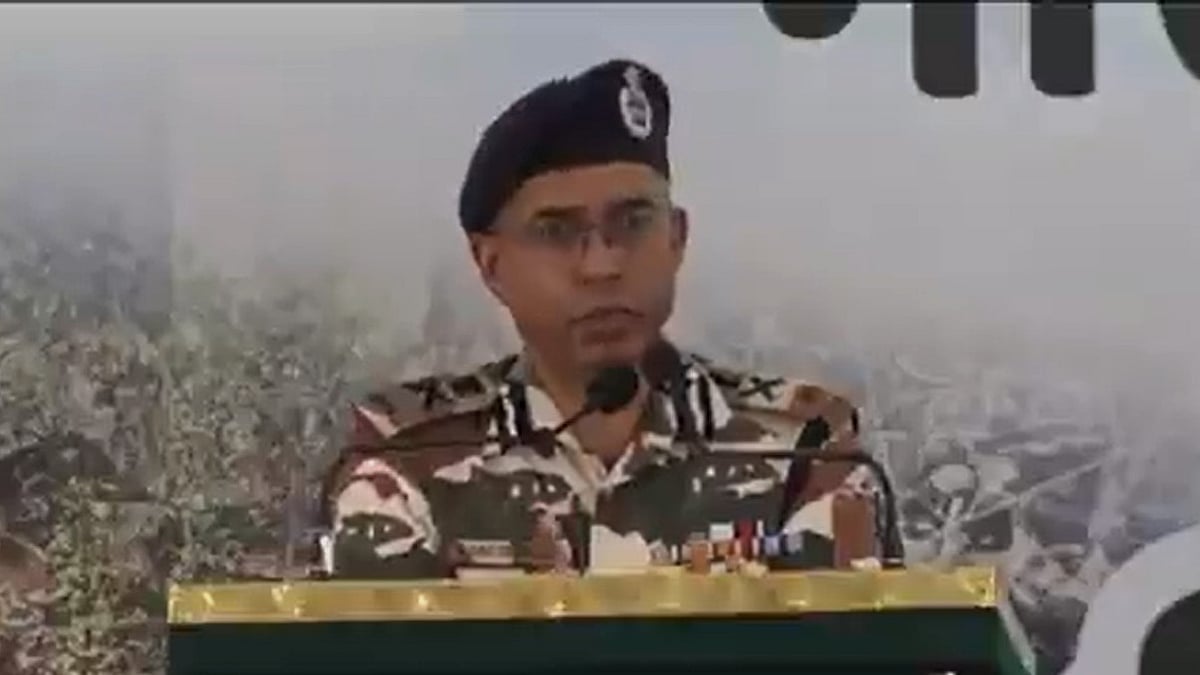
Chief Minister Pema Khandu stressed that SUMP remains at the pre-feasibility stage and that the government will “engage in open dialogue” with affected communities. Police chief SD Singh Jamwal announced additional force deployment to prevent “any law and order problem.” NHPC confirmed damage to its Pasighat office but gave no assessment.
06
Criticism & Opposition
- Oken Boli Panggyeng, a homemaker, rejected compensation, asking “Where will we go, and what will we eat?”
- Gegong Jijong of the Siang Indigenous Farmers’ Forum warned that 27 ancestral villages could be fully submerged and 40–50 more affected.
- Bosiram Siram, APCC president, argued that without genuine consent from landowners the project cannot proceed.
- Tajom Ejing, Geku resident, condemned the deployment of “military forces” instead of direct dialogue.
07
Conflicting Reports & Gaps
- Village submergence figures vary between 27, 32 and 40–50.
- Injury numbers differ: police cite “over 40” injured officers, while other reports highlight four women treated for tear-gas.
- Hunger strike claim on Oct 26 was dismissed by Superintendent of Police Pankaj Lamba as “normal” short-term fasting.
08
Why It Matters / Impact
Proponents say the reservoir could buffer downstream communities from abrupt releases by China’s Medog dam, reducing flood risk and securing dry-season flows. Opponents contend the project threatens thousands of Adi families, submerges culturally significant villages and raises seismic safety concerns in an earthquake-prone zone. The outcome will shape India’s trans-boundary water policy and its balance between security imperatives and tribal land protections.
09
What’s Next
The pre-feasibility report will run November 2026 – January 2027. A high-level committee headed by Panchayati Raj minister Ojing Tasing will oversee stakeholder engagement. The state government has pledged further consultations, but no final construction decision has been announced.