
Full Breakdown
Election Night 2026: No Clear Majority and the Rise of Arab Parties
By Drooid · · How we work
In this breakdown
01
Core Election Outcome
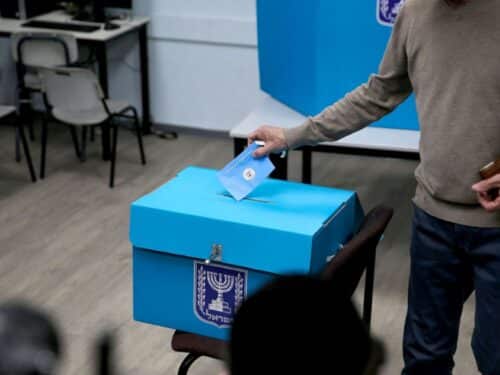
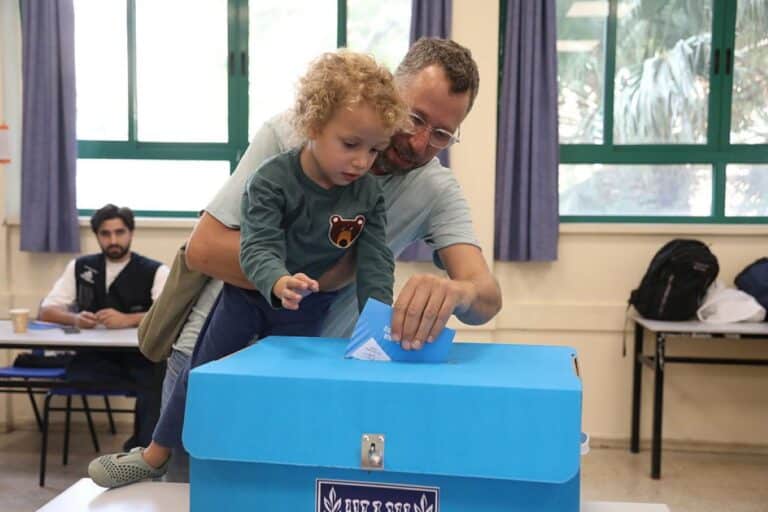
Exit-poll projections after polls closed on October 27, 2026 show that neither Benjamin Netanyahu’s Likud bloc nor Gadi Eisenkot’s Yashar opposition bloc reached the 61 seats needed for a Knesset majority. Netanyahu’s bloc was projected at 51–52 seats, down from its previous 68-seat coalition, while Eisenkot’s bloc was projected at 68–70 seats. Arab parties made historic gains: the Joint List at 10–12 seats and Ra’am at 7–9 seats, their strongest showing ever. Ultra-Orthodox parties Shas and United Torah Judaism together were projected for 12–15 seats, a figure that could prove decisive.
Watch
Related reporting
youtube
Election Night Live: Israel’s Exit Polls and Results | The Jerusalem Post
02
Background & Context
Arab parties have entered government before, most notably Ra’am’s participation in the Bennett-Lapid coalition of 2021. The 2026 election follows heightened polarization after the October 7, 2023 Hamas attack, which reshaped security debates and intensified scrutiny of Arab parties’ positions.
Visual evidence
Images from the story
03
Data & Statistics
- Voter turnout: 77.7 %, the highest in three decades.
- Projected seat totals (exit polls):
- Netanyahu bloc – 51–52 seats (Likud 25–27).
- Eisenkot bloc – 68–70 seats (Yashar 21–23).
- Joint List – 10–12 seats.
- Ra’am – 7–9 seats.
- Shas – 6–9 seats; United Torah Judaism – 6–7 seats.
- Electoral threshold: 3.25 % of valid votes (?165,000 votes at 70 % turnout).
04
Official Statements & Responses
Gadi Eisenkot, speaking at his party headquarters, said the “Israeli public has voted against Netanyahu continuing to serve as prime minister.” He outlined four conditions for any coalition partner: recognition of Israel as a Jewish and democratic state, acceptance of the Declaration of Independence’s values, conscription of Arab citizens, and denunciation of Hamas as a terrorist organization.
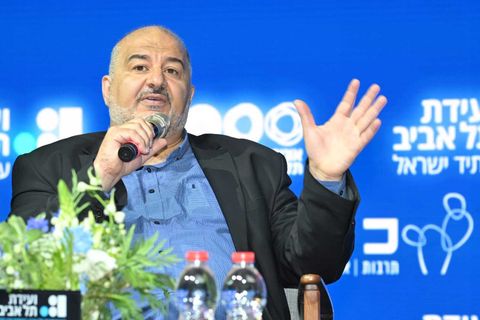
Ra’am leader Mansour Abbas, in an i24NEWS interview, credited the exclusionary policies of Itamar Ben-Gvir and Bezalel Smotrich for Ra’am’s surge and stressed that Arab citizens “exercised their civil rights” and deserve representation.
05
Criticism & Opposition
Amjad Shbita, general secretary of Hadash, warned that Eisenkot’s pre-condition “won’t work with the Joint List,” insisting negotiations must be conducted as equals. Former prime minister Naftali Bennett, who previously partnered with Ra’am, now opposes a repeat, citing the party’s “non-Zionist character.”
06
Conflicting Reports & Gaps
Seat projections for the Arab parties differ across outlets. CNN and The Guardian estimate the Joint List at 10–12 seats; Unpacked gives a similar range but notes a lower bound of 10. Ra’am’s projected seats range from 7 to 9. Final counts remain pending, and the impact on coalition possibilities is uncertain.
07
What’s Next
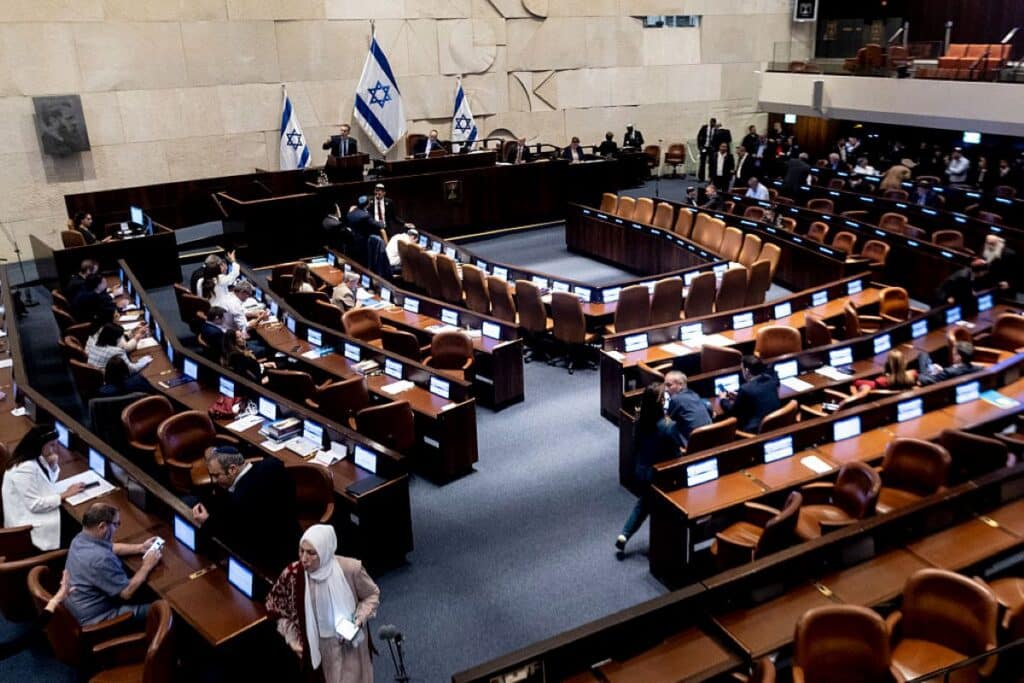
Following certification of official results, President Isaac Herzog will convene consultations with all parties that won seats. He may task either Netanyahu or Eisenkot with forming a government, based on which candidate garners the most recommendations. The appointed lawmaker receives a 28-day mandate, extendable by 14 days; failure triggers a second mandate to another candidate for an additional four weeks. If both attempts fail, the Knesset can be dissolved, prompting new elections within three months. Both blocs must decide whether to honor pledges against partnering with Arab parties or to negotiate a minority or unity government that incorporates Arab representation.