
Full Breakdown
John Healey’s First Budget: A Cautious Attempt to Provide “Breathing Space”
By Drooid · · How we work
In this breakdown
01
Core Event
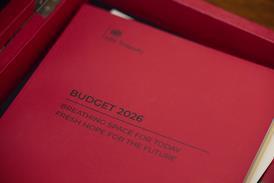
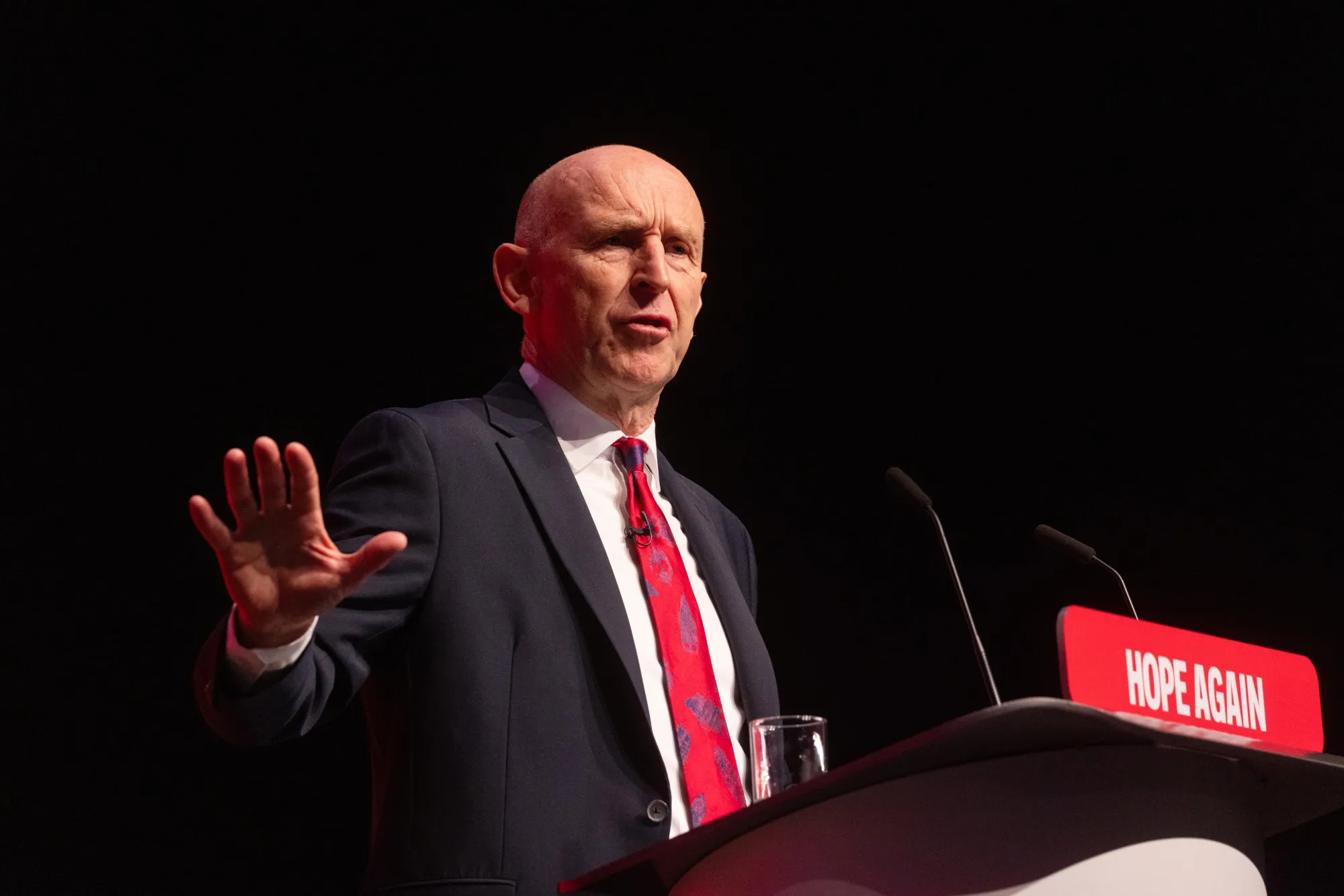
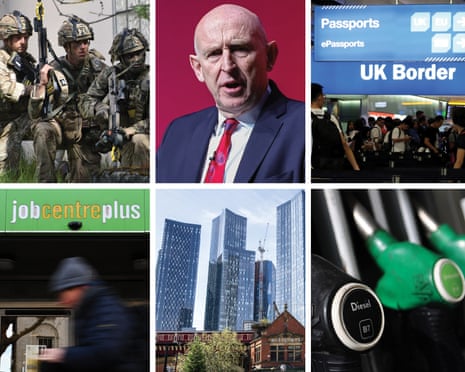
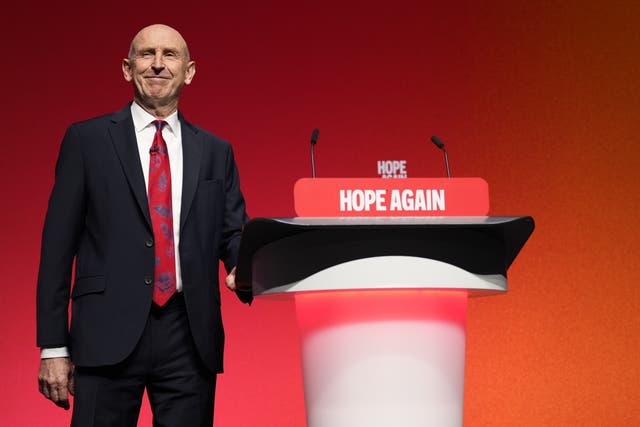
On Wednesday, October 28 2026, Chancellor John Healey will deliver his maiden budget for Prime Minister Andy Burnham’s Labour government. The plan is presented as a “steady-as-she-goes” fiscal package aimed at short-term relief for households and businesses while preserving limited fiscal headroom. Key measures include a freeze of fuel duty, a modest rise in the national living wage, more than £1 billion of targeted energy-cost support, and a new levy on bank profits.
Watch
Related reporting
ex
Will the Budget help bills go down?
ex
I want to see the UK to rejoin the EU in my lifetime, Burnham says
02
Background & Context
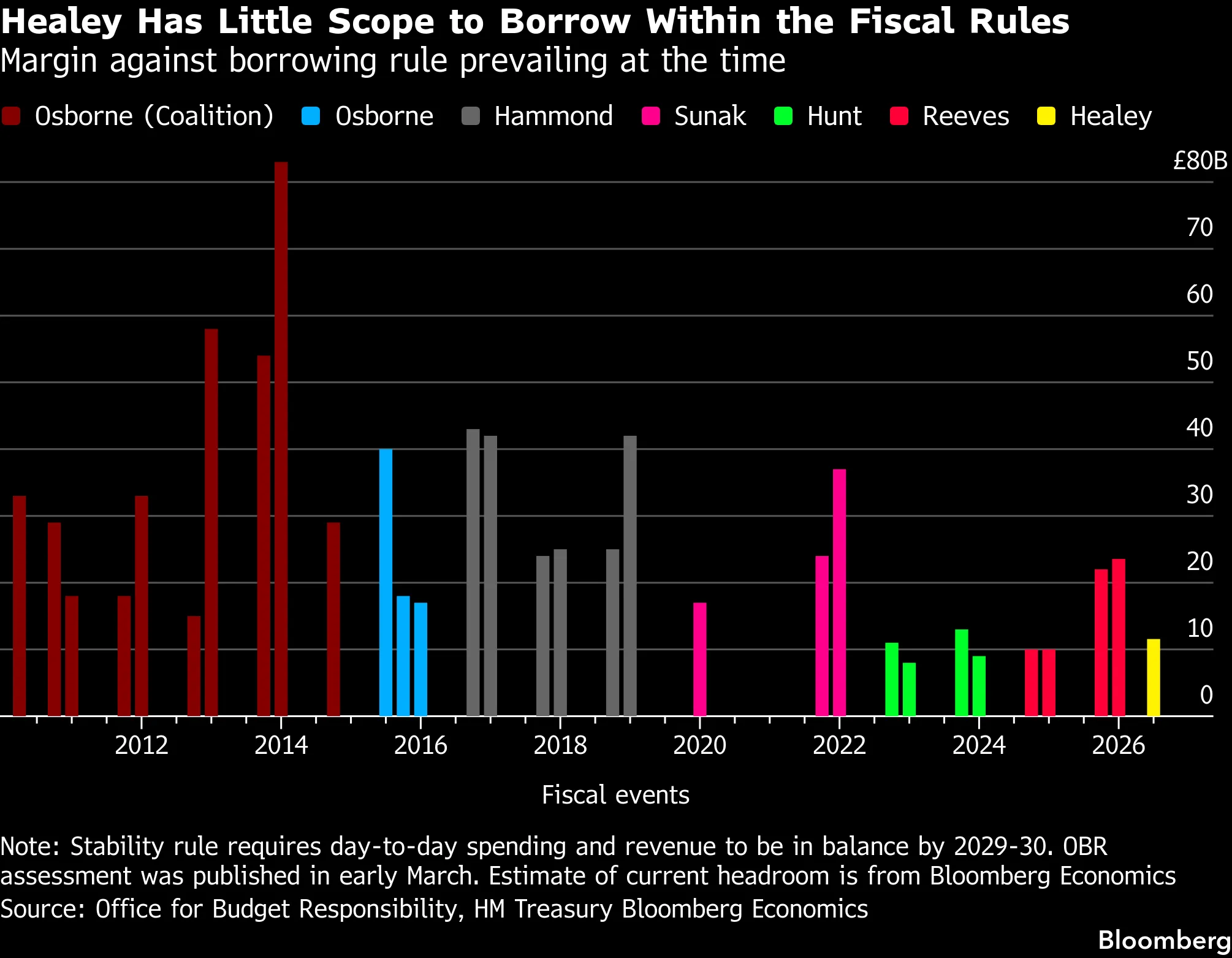
Healey inherits a fiscal buffer of £23.6 billion created by Rachel Reeves, but higher borrowing costs linked to the US-Iran war-driven inflation shock have eroded it. Britain paid the highest five-year gilt yield since 2008 in early 2026, and public debt now stands at £3 trillion. The government must also fund a defence target of 3 % of GDP by 2030, a commitment that prompted Healey’s earlier resignation as defence secretary.
Visual evidence
Images from the story
03
Data & Statistics
- Fiscal headroom: OBR gave £23.6 billion for 2024-25; the Resolution Foundation estimates it has fallen to about £12 billion, while a Reuters survey of bond dealers puts it near £15 billion post-budget.
- Debt servicing: five-year gilt yields exceeded 5 % in early 2026.
- Minimum wage: projected 3.9 % rise to roughly £13.20 per hour for workers aged 21+.
- Bank levy: expected to raise £1-2 billion annually.
- Energy support: over £1 billion for subsidies to lower-income households and continuation of the Warm Home Discount.
- Devolution funding: a new £1.5 billion borrowing facility for directly elected mayors and local leaders.
04
Official Statements & Responses
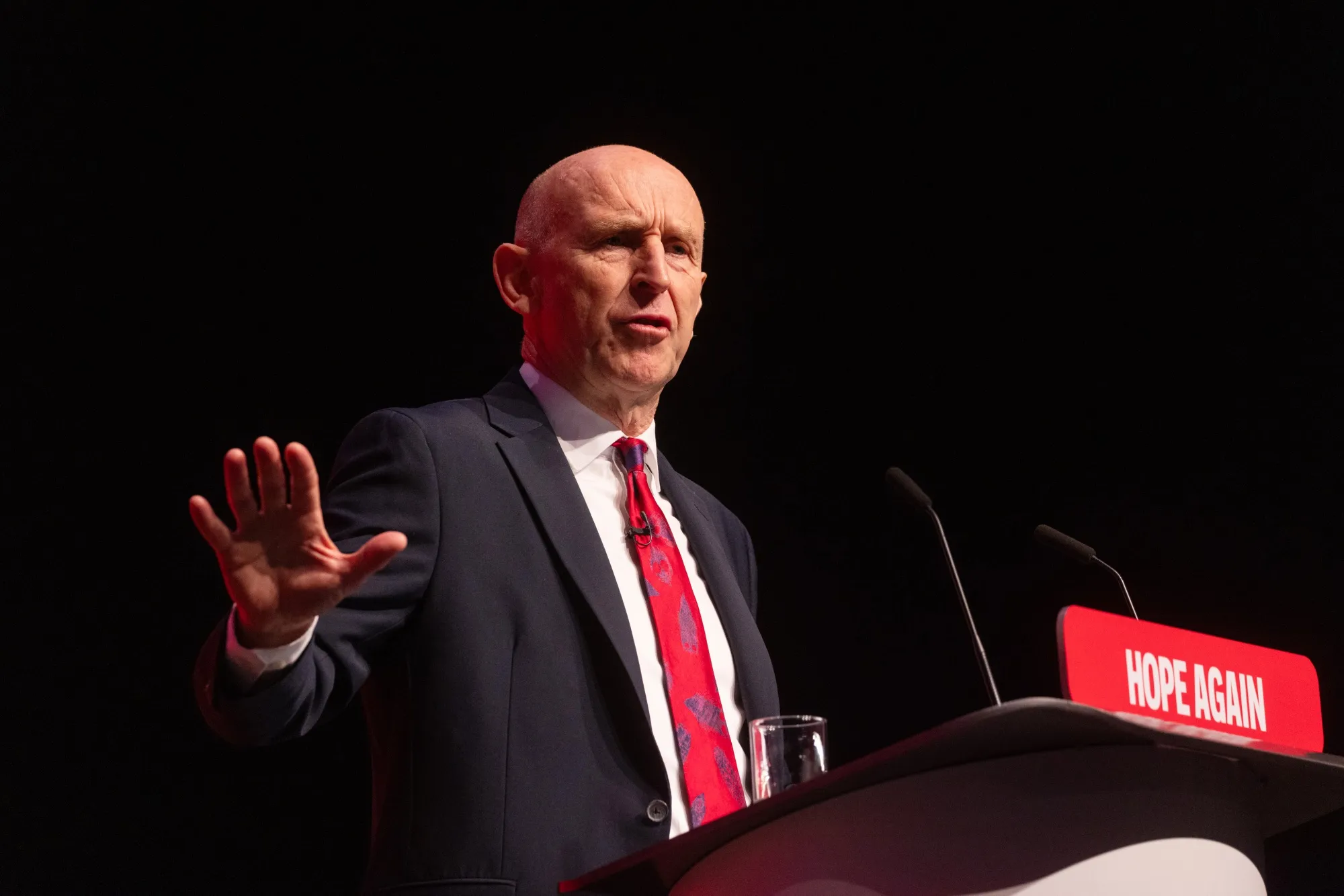
Healey stressed the need for “breathing space” for families and businesses, noting that “the world is highly uncertain” and that the government must make Britain “more resilient when [external shocks] do” happen. Burnham framed the budget as the first step in a broader devolution agenda giving regional mayors greater control over locally generated tax revenues.
05
Criticism & Opposition
Opposition parties argue the budget falls short. The Lib Dems warned that “Britain’s public finances are on a cliff edge.” Conservative shadow chancellor Andrew Griffith said any “fudging” of defence spending would merit resignation, and Joy Morrissey criticised the £15 million misogyny-prevention fund as wasteful.
06
Conflicting Reports & Gaps
- Headroom estimates vary between £12 billion and £15 billion.
- Bank levy revenue is reported as “around £1 billion” or “up to £2 billion.”
- Defence spending timetable remains vague; the precise schedule for the 3 % GDP target is deferred to a 2027 spending review.
- Carer’s allowance reform will introduce a tapering system, but implementation may not be operational until 2030.
07
Verbatim Quotes
- “Conflicts abroad are pushing up energy prices, and the cost of living here at home – piling pressure on the families, on businesses and on our public finances.” — John Healey
- “If they decide to ramp up spending more than what we're taking in, in a really fiscally tenuous situation, that would be what the market doesn't want to hear,” — Bryn Jones, head of fixed income at Rathbones
08
What’s Next
- The Treasury will present the OBR’s updated fiscal forecasts alongside the budget on October 28.
- A full Spending Review is scheduled for 2027 to set the detailed timetable for the 3 % defence-spending target.
- Bond-market participants will watch whether the bank levy and other revenue measures preserve projected fiscal headroom and keep gilt yields from rising further.
The budget therefore represents a balancing act: delivering modest, market-friendly relief while deferring larger structural decisions to a later date.