
Full Breakdown
Turkey’s Foreign Affairs Committee Approves Mecca Joint Defense Pact
By Drooid · · How we work
In this breakdown
01
Core Event: Committee Approval of the Mecca Agreement
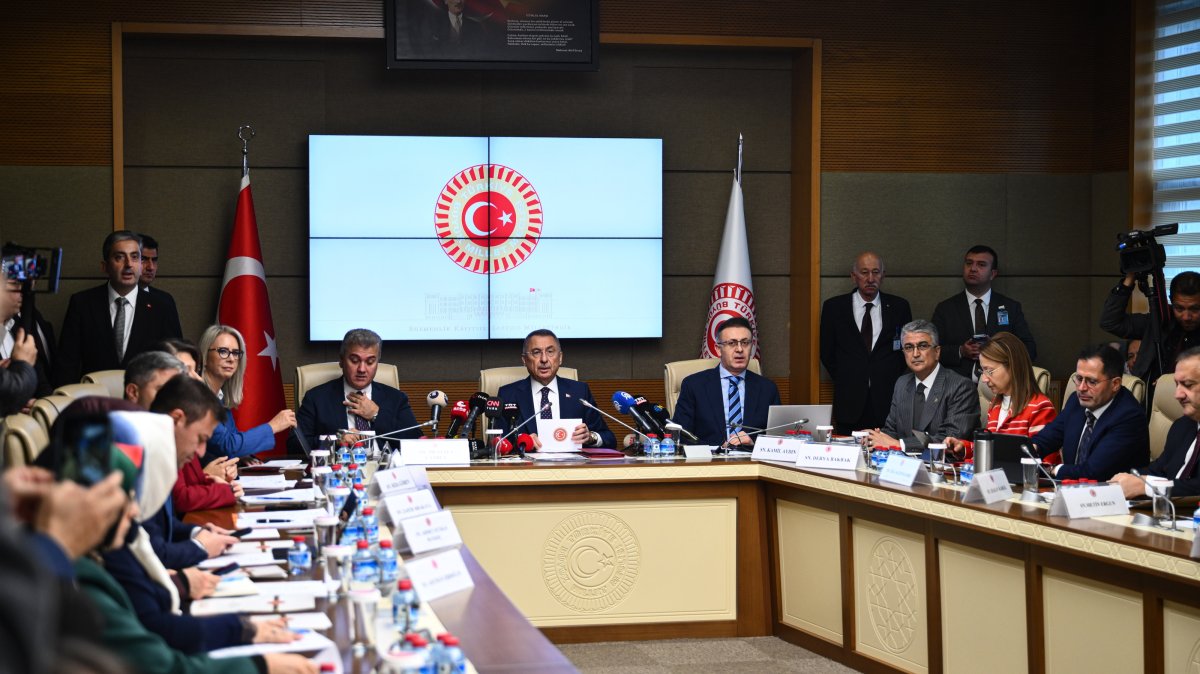
On Tuesday, the Turkish Parliament’s Foreign Affairs Commission voted to approve a bill ratifying the Mecca Joint Defense Agreement with Saudi Arabia and Pakistan. The ruling Justice and Development Party (AK Party) and its allies supported the measure, while opposition parties objected. The 16-article pact, which binds the three states for ten years, commits each signatory to regard an armed attack on one as an attack on all and outlines cooperation on joint weapons production, technology transfers and intelligence sharing. The bill now proceeds to the full assembly for debate and a final vote; no timetable has been set.
02
Background & Context
The agreement was signed in Mecca on August 7 by President Recep Tayyip Erdogan, Crown Prince Mohammed bin Salman and Prime Minister Shehbaz Sharif. It comes amid heightened tensions between Saudi Arabia and Yemen’s Iran-backed Houthi rebels and reflects Turkey’s push for “regional ownership” of security challenges.
Visual evidence
Images from the story
03
Key Figures & Groups
- Fuat Oktay — AK Party legislator, chair of the Foreign Affairs Committee, championed the pact.
- Levent Gümrükçü — Deputy foreign minister, presented the agreement to the committee.
- Semra Caglar Gokalp — Peoples’ Equality and Democracy Party lawmaker, voiced opposition concerns.
- Utku Çakirözer — New Party lawmaker, called for review by the National Defense Committee.
04
Official Statements & Responses
He added that the agreement is fully defensive, does not replace Turkey’s NATO commitments, and is open to other regional states that respect international law.
05
Criticism & Opposition
Opposition lawmakers warned that the collective-defense clause could draw Turkish forces into conflicts beyond its borders. Semra Caglar Gokalp asked, “Will this agreement enhance the security of the peoples involved, or will it create new obligations that entangle Turkey in the wars of other nations?” New Party representative Utku Çakirözer urged a review by the National Defense Committee.
06
Data & Statistics
- 16 articles outline the agreement’s provisions.
- 10-year duration binds the parties.
- The pact rests on three pillars: collective defense, a determined fight against terrorism, and development of domestic defense-industry capabilities.
- It provides for regular high-level consultations, joint training, personnel exchanges and logistical support.
07
Why It Matters / Impact
Proponents argue the Mecca Agreement creates a regional security framework that reduces reliance on external powers and enhances interoperability among the three militaries. Critics fear it may expand Turkey’s security commitments and complicate its NATO obligations. The inclusive language, inviting other states that respect sovereignty and non-interference, signals an attempt to shape a multilateral deterrence architecture in a volatile region.
08
What's Next
The bill now moves to the Turkish Parliament’s General Assembly for a final vote. Lawmakers have not set a date for the plenary debate, and the outcome will determine whether the Mecca Joint Defense Agreement becomes law and how it will be integrated with Turkey’s existing alliances.
09
Verbatim Quotes
- “The Mecca agreement is not only an extension of the special friendly relations between the three countries, but also a concrete product of the regional ownership increasingly needed in our region,” — Levent Gümrükçü, deputy foreign minister
- “Will this agreement enhance the security of the peoples involved, or will it create new obligations that entangle Turkey in the wars of other nations?” — Semra Caglar Gokalp