
Full Breakdown
Nordic Leaders’ Direct Call with Putin Sparks Unity Debate
By Drooid · · How we work
In this breakdown
01
Core Event: Finland and Norway Reach Out to Moscow
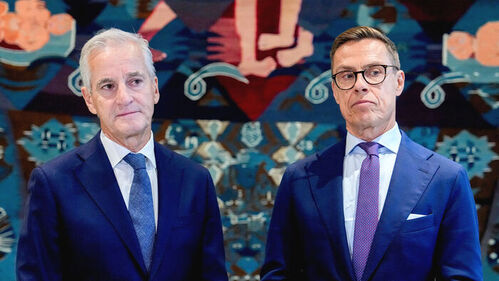
Finnish President Alexander Stubb and Norwegian Prime Minister Jonas Gahr Støre held a 90-minute phone conversation with Russian President Vladimir Putin on October 27. Both stressed they spoke solely as representatives of their own nations, not on behalf of Europe.
Watch
Related reporting
ddhq
What to know about Flydubai cockpit clash as pilot is arrested
ddhq
What to know about Flydubai cockpit clash as pilot is arrested
02
Background & Context
Since Russia’s invasion of Ukraine in February 2022, most Western European leaders have avoided direct contact with the Kremlin, relying on sanctions and diplomatic pressure. The only recent European phone call with Putin before this Nordic initiative was by French President Emmanuel Macron in July 2025. The call came amid U.S.-led peace talks that European capitals are seeking to join.
Visual evidence
Images from the story

03
Timeline
- October 20 – Oslo meeting of Stubb, Støre, Zelenskyy and U.S. envoy Steve Witkoff.
- October 27 – Stubb and Støre’s phone call with Putin reported by Reuters.
- Later this year – Planned trilateral talks on the Ukraine-Russia conflict in Abu Dhabi, announced by the Finnish president’s office.
04
Data & Statistics
- Call duration: 90 minutes.
- First known direct contact between any European leaders and Putin since the 2022 invasion (multiple sources).
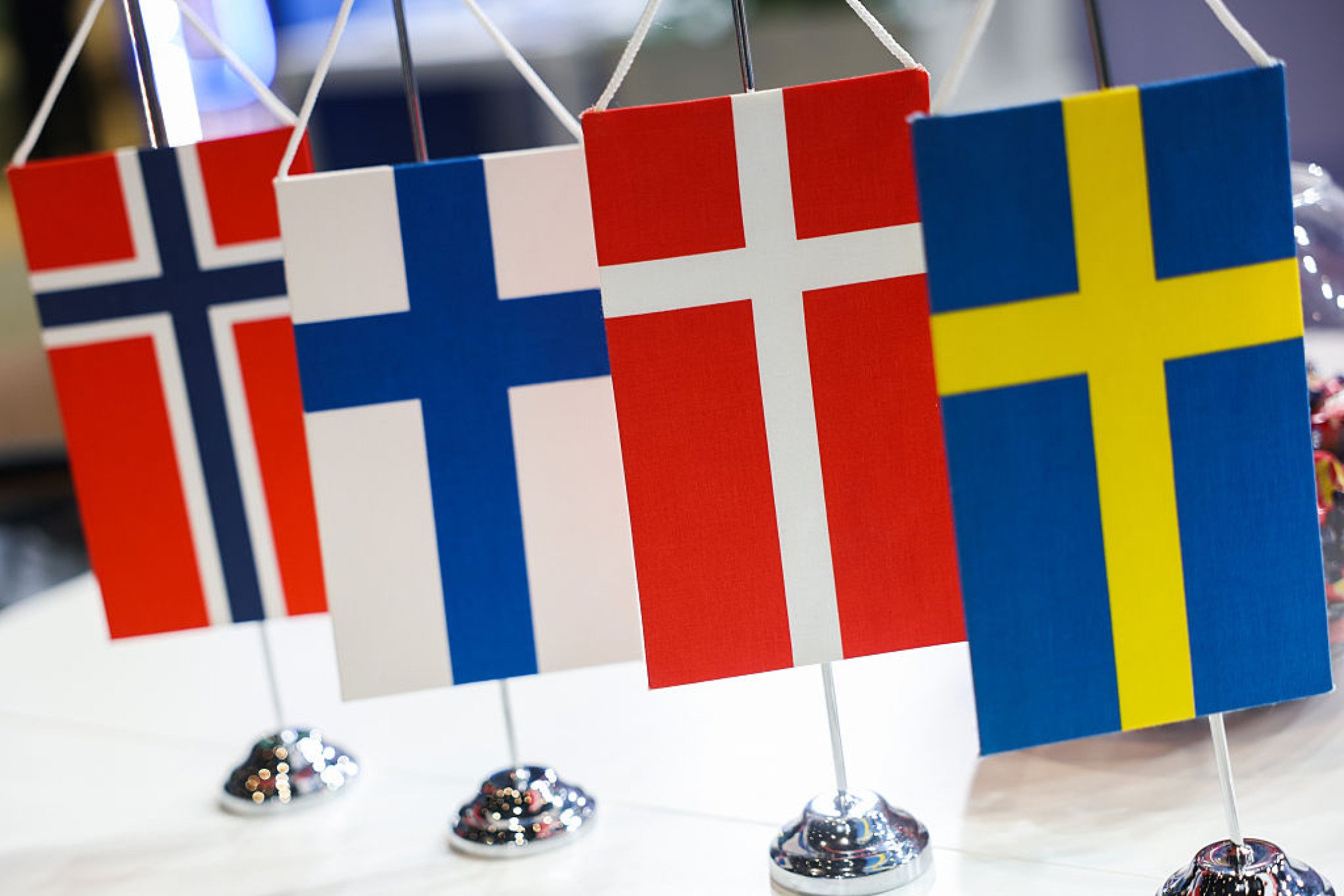
- Four Nordic countries—Denmark, Sweden, Finland, Norway—are among the largest bilateral donors to Kyiv.
05
Official Statements & Responses
Stubb described the conversation as “frank and substantive,” noting that the war’s outcome will directly affect European security. Støre said the conflict carries “enormous human and material costs” and emphasized de-escalation. The Kremlin’s read-out called for a “just and lasting peace” that takes Russia’s interests into account and blamed EU and NATO policies for prolonging the war.
Estonia’s Foreign Minister Margus Tsahkna warned that only increased pressure on Russia would make it take negotiations seriously. Sweden’s Prime Minister Ulf Kristersson voiced low expectations, cautioning that the talks could split the European voice.
06
Criticism & Opposition
Sweden’s Kristersson warned that uncoordinated talks could undermine collective pressure on Moscow.
07
Why It Matters / Impact
The call highlights a fracture within the Nordic bloc over how to engage Russia. Proponents argue that bordering nations need direct channels to influence Kremlin calculations, while opponents fear unilateral outreach could weaken coordinated sanctions and embolden Moscow. The episode may shape how European leaders balance direct diplomacy with collective pressure in future peace-building efforts.
08
Conflicting Reports & Gaps
Some sources state the call took place in July of the current year, while the Reuters report dates the event to October 27. No public outcome or concrete concession from Putin was disclosed, and the Kremlin’s statement offered no indication of a shift in Russian demands.
09
Verbatim Quotes
- “The outcome of this war will have a direct impact on our and the broader European security. Ending the war requires direct discussions,” — Alexander Stubb
- “I think Europe should stick together rather than going solo,” — Mette Frederiksen, Denmark’s prime minister
- “The war comes with enormous human and material costs. The suffering and destruction will impact generations. In the call we stressed the importance of de-escalation.” — Jonas Gahr Støre
- “Every contact with Russia must convey Europe’s unity and determination to support Ukraine and maintain pressure on Russia, while making clear that Europe will not negotiate away the fundamental principles underpinning its security,” — Margus Tsahkna.