
Full Breakdown
Record Arab Turnout and a Stalemate Shape Israel’s 2026 Election
By Drooid · · How we work
In this breakdown
01
Core Event
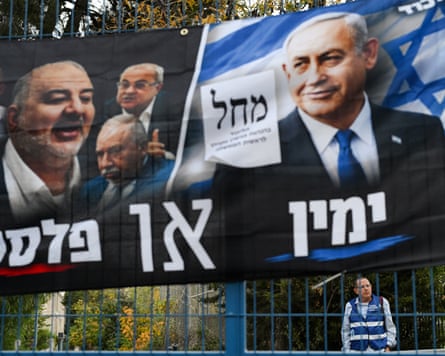
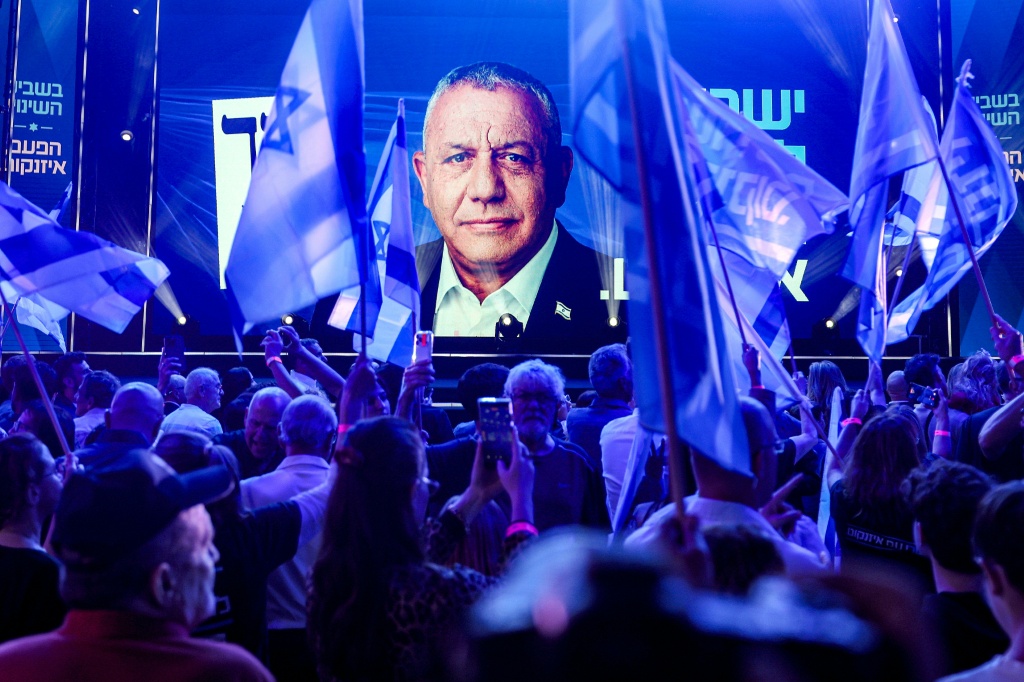
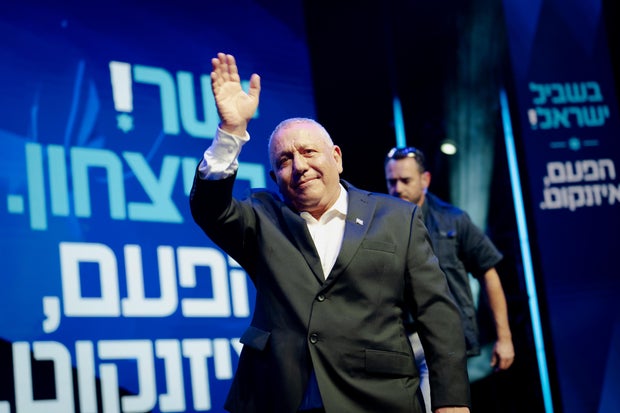
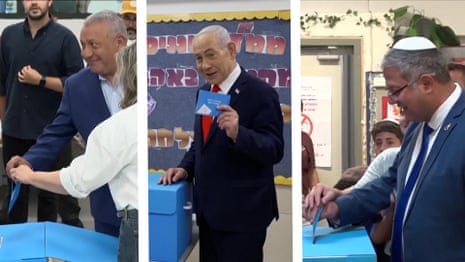
On October 27, 2026 Israel held its first parliamentary election since the October 7, 2023 Hamas attack. Exit polls projected Netanyahu’s Likud-led bloc at 50-51 seats and the opposition bloc led by former chief of staff Gadi Eisenkot at 51-53 seats in the 120-member Knesset. Arab-led parties—the Joint List and Ra’am—were projected to win 17-18 seats, their strongest showing ever. No bloc reached the 61-seat majority, opening weeks of coalition talks.
Watch
Related reporting
cbsnews
Video: Breaking down how Israel's elections work as Netanyahu faces opposition threat
youtube
WATCH: Netanyahu's foreign policy advisor on Israeli election and Bibi's relationship with the U.S.
brightcove
No clear mandate projected in Israel election: What’s next?
02
Background & Context
The 2023 attack, which killed 1,200 civilians, has dominated Israeli politics. Netanyahu’s coalition combined right-wing, far-right and ultra-Orthodox parties and pursued an aggressive security agenda, including strikes against Iran. Historically, Arab citizens have voted at lower rates; the last comparable surge was in 1999. In 2026 Arab turnout reached roughly 80 percent—five points above the 1999 record—prompting claims that Arab voters could become “kingmakers.”
Visual evidence
Images from the story




03
Data & Statistics
- Overall turnout: 77.7 percent, the highest since 1999.
- Arab-citizen turnout: about 80 percent (Channel 12).
- Seat projections (exit polls):
- Netanyahu’s bloc – 50-51 seats (Likud alone 24-25).
- Eisenkot’s bloc – 51-53 seats (Yashar 21-23).
- Arab parties – 17-18 seats (Joint List ? 9 % of the vote).
- Military voting: 68 percent of soldiers had voted by 5 p.m., up from 65 percent in 2022.
04
Official Statements & Responses
Finance Minister Bezalel Smotrich urged his base to win despite the Arab surge. National Security Minister Itamar Ben-Gvir called the Arab turnout “crazy” and warned that Netanyahu was using security concerns for political gain. Arab party leader Mansour Abbas described the vote as an “existential moment” for Palestinian-Israelis and hoped an anti-Netanyahu bloc could reach the 61-seat threshold.
05
Criticism & Opposition
Arab politicians and civil-rights groups condemned Netanyahu’s rhetoric as racist. The Association for Civil Rights in Israel (ACRI) filed a complaint alleging voting delays in at least 18 Arab communities, citing long queues and police presence.
06
Conflicting Reports & Gaps
Exit-poll estimates differ: Channel 11 and 13 projected a tie at 51 seats each, while Channel 12 suggested Eisenkot’s bloc leads 52-50. The official tally, due November 4, may shift these numbers. Reports of voting disruptions in Arab towns remain unverified.
07
Verbatim Quotes
- “Israel has a unique opportunity with our partner President Trump to forever eliminate the existential threat of Iran,” — Benjamin Netanyahu
- “Netanyahu, don't you dare use Israel's security for your political needs,” — Gadi Eisenkot
- “It would be a terrible mistake,” — Itamar Ben-Gvir
- “Our vote will change the government,” — Mansour Abbas
08
What’s Next
President Isaac Herzog will consult party leaders after the November 4 results. He may task the leader most likely to assemble a majority—Netanyahu or Eisenkot—with up to 42 days to form a coalition. If no candidate secures 61 seats, options include a minority government supported by Arab parties, a power-sharing arrangement, or a new election, which would return the caretaker Netanyahu government to power in the interim.