
Full Breakdown
TikTok’s “Ferritin Face” Trend Meets Medical Reality
By Drooid · · How we work
In this breakdown
01
The viral claim
Short videos on TikTok and Instagram have popularized the term “ferritin face,” describing pale skin, dark under-eye circles, dry lips, brittle nails and thinning hair as visual clues of low iron stores. Influencers urge viewers to check ferritin levels, suggesting appearance alone can reveal iron deficiency.
02
Medical background
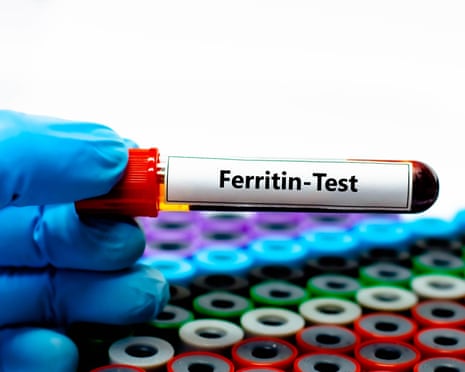
Ferritin stores iron in the liver, spleen and bone marrow, releasing it when needed. A small circulating amount reflects total iron reserves; low ferritin indicates depleted stores and can lead to iron-deficiency anaemia. Common causes include heavy menstrual bleeding, pregnancy, inadequate dietary iron, malabsorption, gastrointestinal blood loss, chronic kidney or liver disease, and bone-marrow disorders.
Visual evidence
Images from the story


03
Ferritin levels and guidelines
- NICE: ferritin < 30 µg/L signals low iron stores; < 50 µg/L may also suggest deficiency.
- WHO: ferritin < 15 µg/L denotes deficiency in healthy adults; < 70 µg/L when inflammation is present.
- UK clinical guidance: ferritin < 30 µg/L is considered low; values > 150 µg/L in menstruating women or > 200 µg/L in men may indicate overload, though inflammation can raise ferritin.
04
Official statements & responses
Clinical experts stress that appearance alone cannot diagnose iron deficiency.
- Prof. Toby Richards, University of East London, notes the face may suggest deficiency but is not diagnostic.
- Dr. Natalia Bratu, GP, calls “ferritin face” a TikTok term and emphasizes the need for a blood test.
- Dr. Mohammad Bakhtiar, Medical Express Clinic, advises a full iron profile—including ferritin, full blood count and inflammation markers—when patients present with pallor, hair loss or cracked lips, warning that many other conditions can produce similar signs.
- GP Dr Aziza Sesay, West Midlands, reiterates that “Ferritin face is not a medical diagnosis.”
Treatment guidance: When low ferritin is confirmed, clinicians prescribe therapeutic-dose iron supplements and repeat testing after three months. Over-the-counter low-dose supplements may be insufficient. Patients are urged to seek professional assessment rather than self-treat based on social-media videos.
05
Criticism of the trend
Medical professionals criticize the simplification of health assessment to visual cues. They argue the trend encourages self-diagnosis and premature supplementation, which can mask underlying causes such as gastrointestinal bleeding or malabsorption. While low iron can affect skin and hair, the “ferritin face” label lacks diagnostic validity.
06
Verbatim quotes
- “Iron is needed for every single cell of the body… you’ll look pale and tired,” — Sue Pavord, professor of practice in medical haematology, Oxford University Hospitals
- “While we can’t diagnose iron deficiency from the face, it might be a suggestion that there is iron deficiency.” — Prof Toby Richards, University of East London
- “Ferritin is the protein that stores iron, mostly in the liver, spleen and bone marrow… a small amount circulates in the blood, and that reflects your reserves,” — Dr Natalia Bratu
- “Ferritin face is not a medical diagnosis,” — GP Dr Aziza Sesay
These statements capture the core medical perspective on iron’s role, the limits of visual diagnosis, and the professional view that “ferritin face” is not a recognized condition.
Bottom line: The “ferritin face” phenomenon reflects a genuine link between iron deficiency and certain physical signs, but the scientific community stresses that only blood tests can confirm ferritin status. Viewers should consult a GP for appropriate testing and treatment rather than relying on social-media assessments.