
Full Breakdown
Congress President’s “Modi ka baap bhi jayega” Remark Sparks Nationwide Political Row
By Drooid · · How we work
In this breakdown
01
Core Event
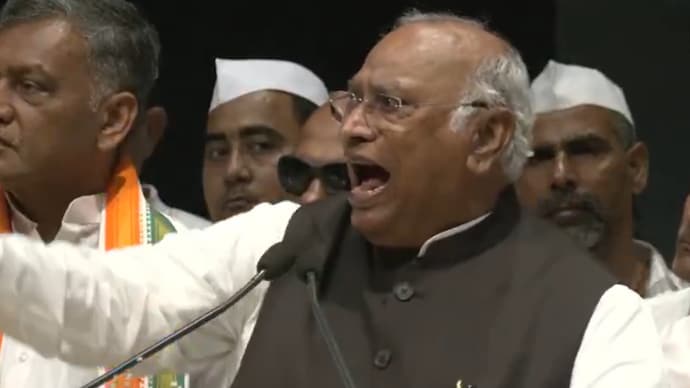
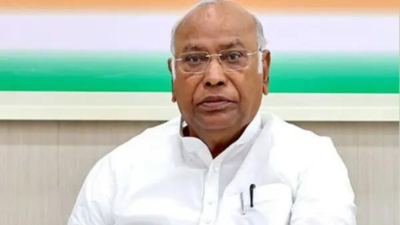
On October 25, 2026, Congress president Mallikarjun Kharge addressed a programme in Patna commemorating the 139th birth anniversary of Bihar’s first chief minister Shrikrishna Singh. An audience member shouted that Prime Minister Narendra Modi would “not go anywhere.” Kharge replied, “Modi ka baap bhi jayega” (“Even Modi’s father will go”). The retort drew immediate criticism from the ruling Bharatiya Janata Party (BJP) and sparked a debate over political decorum.
02
Background & Context
The exchange came during a heated election cycle in which the Congress has accused the government of irregularities in the Special Intensive Revision (SIR) of electoral rolls. Kharge had warned that those involved in alleged SIR fraud would be jailed if his party formed the next government. He also linked the remark to broader criticism of the Rashtriya Swayamsevak Sangh (RSS) and the BJP’s handling of China’s incursions and promises on black-money repatriation.
Visual evidence
Images from the story

03
Data & Statistics
Two independent telephone surveys measured public reaction.
- Matrize News Communications surveyed 5,000 respondents (Oct 25-27) and found 72 % viewed the remark as an affront to the prime minister’s office.
- ThePrint’s poll, conducted over the same period, reported 68 % said the comment undermined the prime minister’s office, with 54 % labeling it “desperation and ideological bankruptcy.”
04
Official Statements & Responses
The BJP called the remark a breach of parliamentary decorum. BJP president Nitin Nabin described the language as “indecent and unparliamentary,” saying it reveals the party’s “ideological bankruptcy.”
Congress senior leader Prithviraj Chavan urged civil language from all sides, noting that both Kharge and BJP figures such as Amit Shah have made “uninvited” remarks. He called for an explanation from Kharge while condemning past BJP comments about Rahul Gandhi’s family.
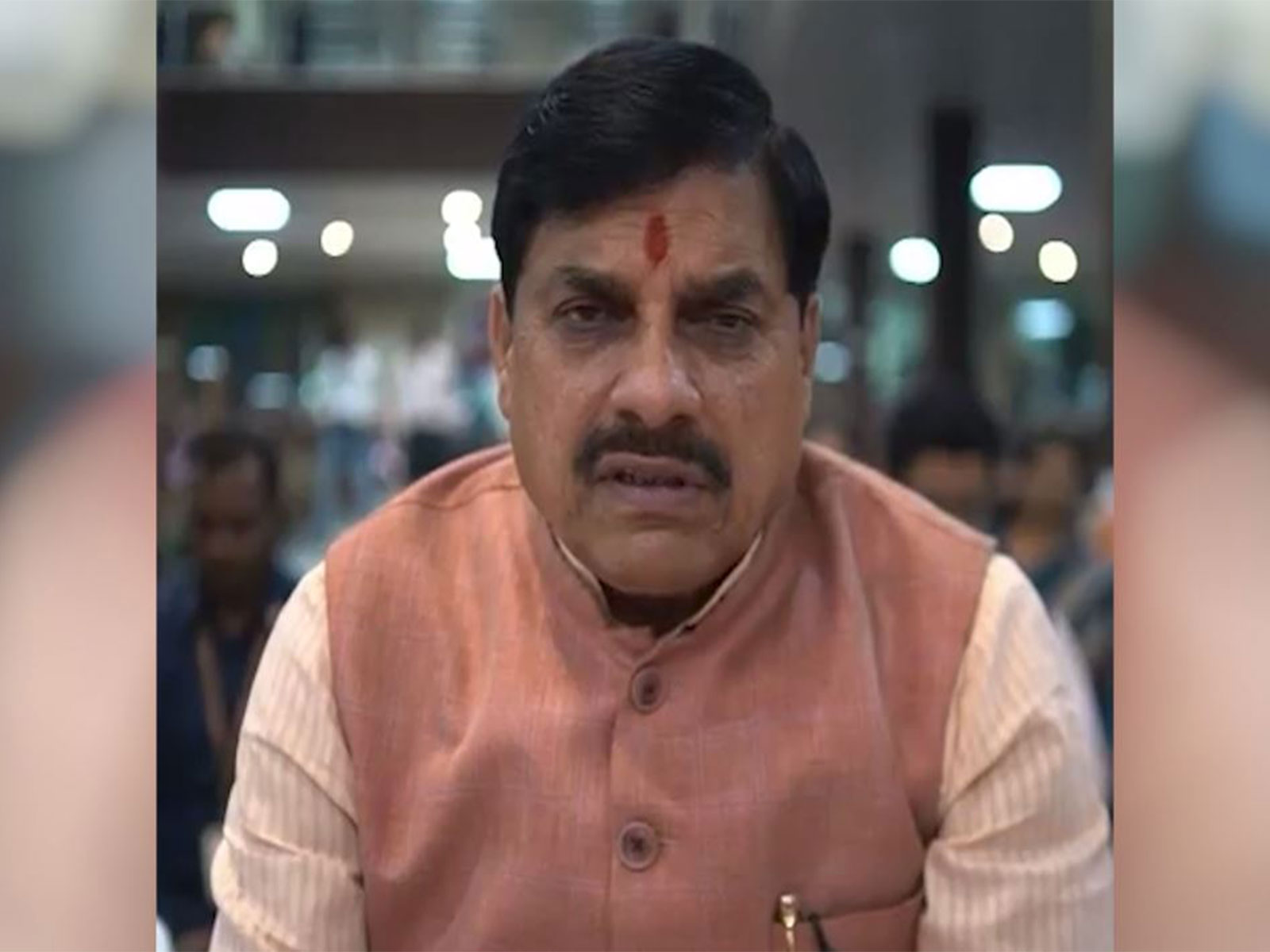
State leaders also weighed in. Bihar chief minister Samrat Choudhary called the remark “extremely unfortunate” and demanded an apology. Madhya Pradesh chief minister Mohan Yadav warned that dragging deceased family members into politics would not be tolerated.
05
Criticism & Opposition
BJP officials framed the incident as evidence of Congress’s “frustration” after twelve years of electoral defeats, asserting that personal attacks have replaced substantive policy debate. Union minister J P Nadda echoed this view, linking the comment to “political resentment.”
Within Congress, Husain Dalwai said the remarks reflected genuine governance concerns and promised a full account if the party assumes power in 2029. Bhupesh Baghel countered that the BJP has previously used harsh language against Modi, questioning why the opposition is singled out.
06
Conflicting Reports & Gaps
The two surveys differ slightly on the magnitude of disapproval (72 % vs 68 %). Neither provides regional or demographic breakdowns, leaving uncertainty about the depth of partisan sentiment. Kharge has not issued a formal apology, and the Congress party’s official response beyond Chavan’s comments remains unspecified.
07
Why It Matters
The episode highlights escalating rhetorical hostilities between India’s two largest parties ahead of upcoming state elections. It raises questions about the limits of political satire, the role of personal attacks in democratic discourse, and the impact of such controversies on voter perceptions of both parties’ commitment to civil debate.
08
What’s Next
No parliamentary hearing or formal disciplinary procedure has been announced. Both parties have indicated they will continue to press their respective narratives as the election calendar approaches later this year.