
Full Breakdown
Putin Hosts Dozens of African Leaders at Moscow Summit
By Drooid · · How we work
In this breakdown
01
Core Event: Russia-Africa Summit Opens October 28
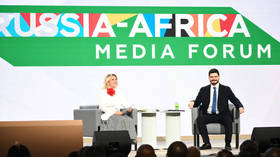
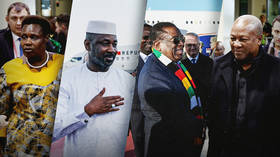
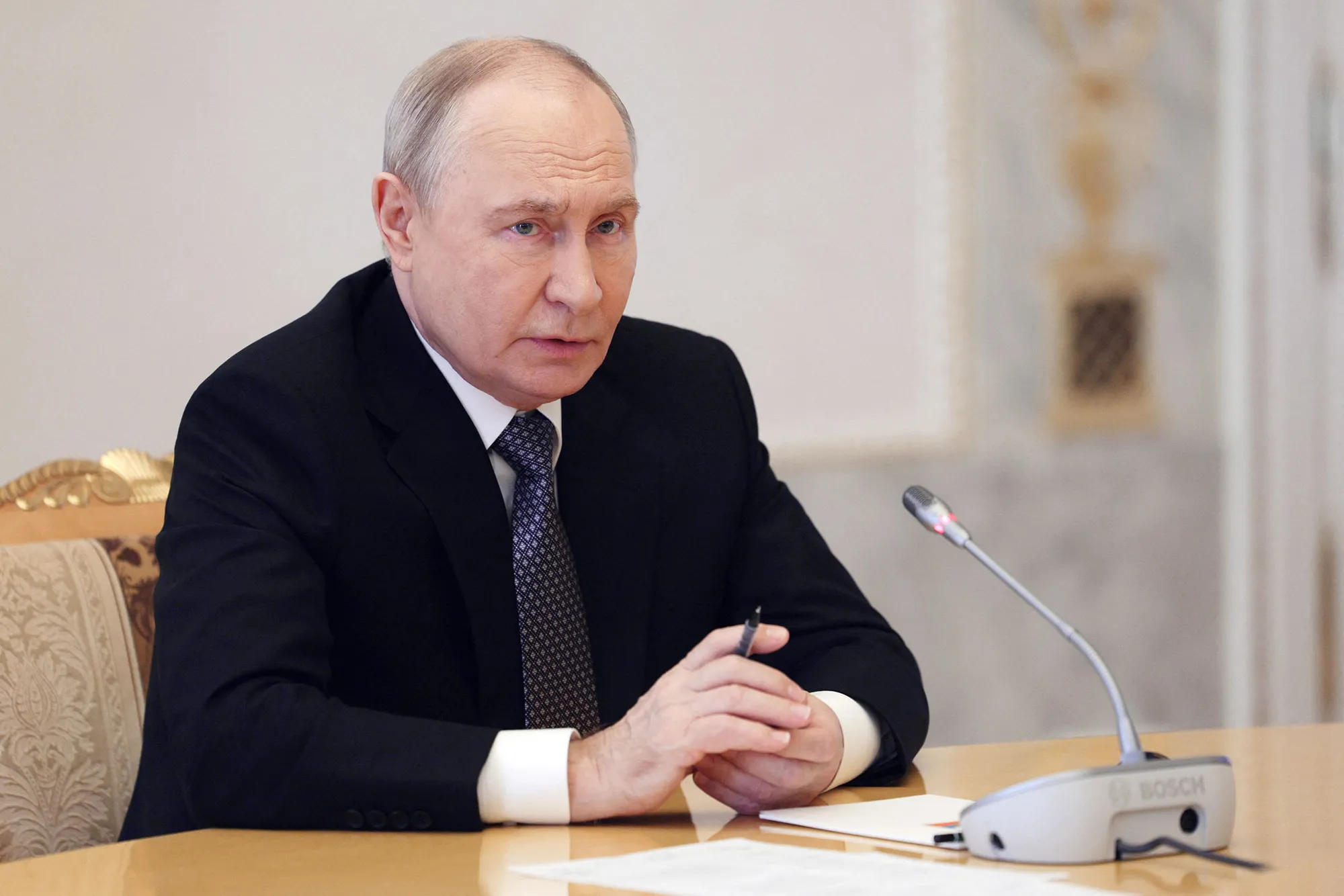
On October 28 (scheduled), Russian President Vladimir Putin began a two-day summit in Moscow that brings together delegations from 48 African countries, including 22 heads of state. The gathering is co-chaired by Burundian President Evariste Ndayishimiye, who also serves as chair of the African Union. The agenda covers economic cooperation, energy, agriculture, education, digital transformation and artificial-intelligence (AI) partnerships, with a joint declaration and a 2027-2029 action plan slated for adoption.
02
Background & Context
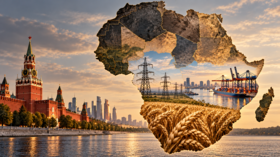
The summit follows Russia’s first Africa meeting in Sochi (2019) and a second in St. Petersburg (2023). After the 2022 full-scale invasion of Ukraine, Moscow has sought to rebuild ties with Africa, positioning the continent as a strategic partner to offset Western sanctions. Russian officials cite military support in the Sahel, new embassy openings, and scholarship programs as evidence of a growing presence.
Visual evidence
Images from the story
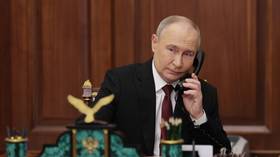
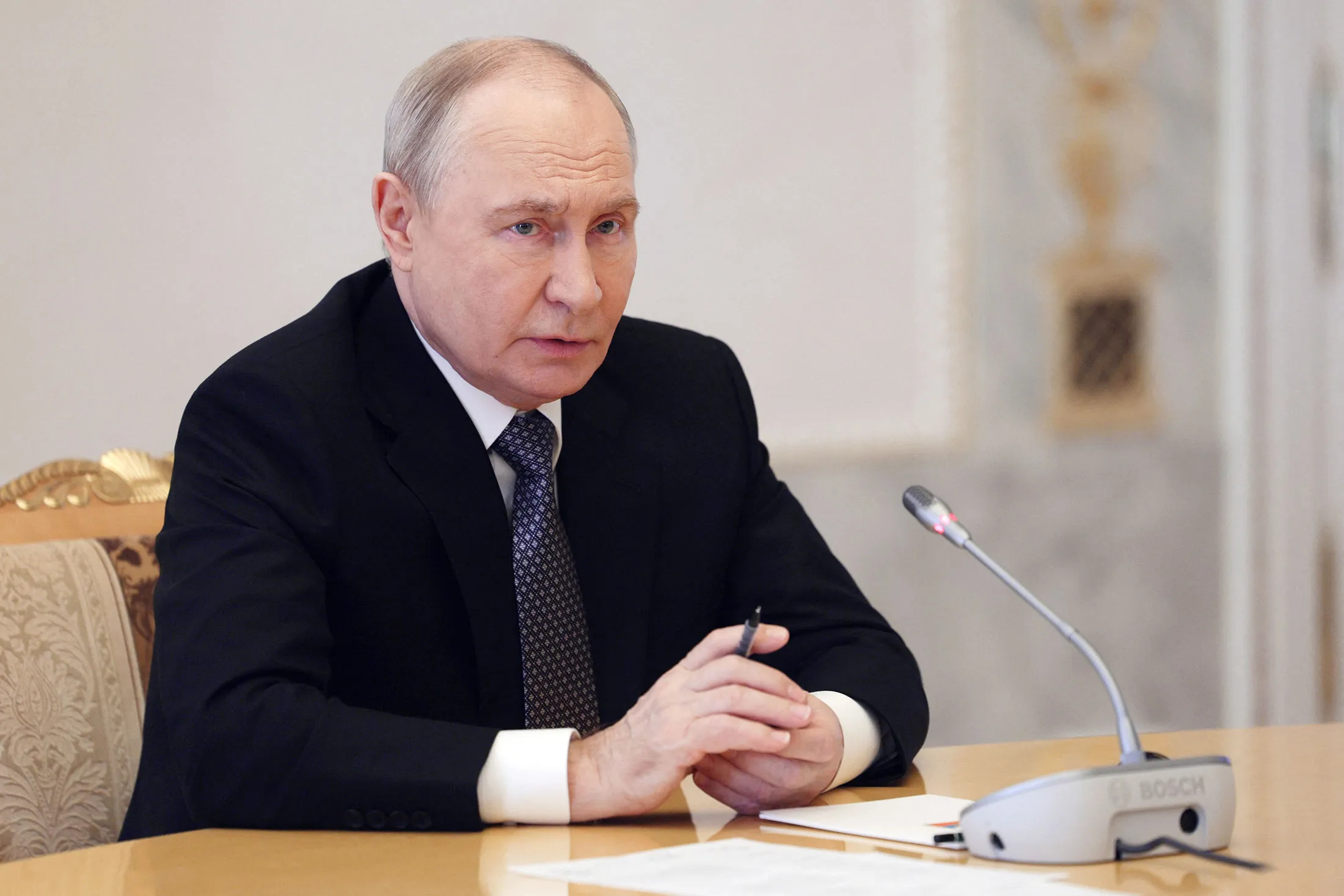
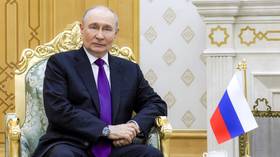
03
Data & Statistics
- 48 of Africa’s 54 nations confirmed participation.
- 22 leaders are expected to attend in person.
- 33 intergovernmental, interagency and commercial agreements are slated for signing.
- Trade with Africa reached US $27 billion in 2025 (Kremlin aide Yury Ushakov) and was reported by the Foreign Ministry as approaching US $30 billion per year (Foreign Minister Sergei Lavrov).
- The Economic and Humanitarian Forum will host ? 4,000 Russian and African entrepreneurs.
- Russia delivered 200,000 metric tons of free grain to six African states in February 2024.
04
Official Statements & Responses
- Sergei Lavrov, Foreign Minister, noted that trade with Africa is “approaching $30 billion a year” and called for diversification beyond the current concentration in seven or eight partners.
- Maria Zakharova, Foreign Ministry spokeswoman, announced new Russian embassies in South Sudan, the Gambia and Comoros, and a planned embassy in Liberia.
- Katerina Tikhonova, daughter of Putin, is involved through the Innopraktika foundation, which helped launch a technology hub in Dar es Salaam to channel Russian tech into East Africa.
05
Why It Matters
The summit serves as a platform for Russia to demonstrate resilience against Western isolation and to cultivate political and security ties that complement its modest trade footprint. For African states, participation offers an alternative source of grain, technology and investment amid competition from China, the West and India. The outcomes may shape future diplomatic alignments and influence the continent’s role in global supply chains.
06
Conflicting Reports & Gaps
- Trade volume: Ushakov cites US $27 billion for 2025, while Lavrov references an annual figure of US $30 billion. The discrepancy highlights uncertainty about the exact scale of Russia-Africa commerce.
07
Verbatim Quotes
- “Africans are well aware of Russia’s relatively modest position on the continent and of the much stronger presence of China, the West and even India,” — Alexander Baunov
- “Over the years, it has become clear that Russia’s verbal support and anti-imperialist rhetoric translate very poorly into actual financial resources,” — Alexander Baunov