
Full Breakdown
Deadly Rear-End Collision on Spain’s Madrid-Seville High-Speed Line
By Drooid · · How we work
In this breakdown
01
What Happened
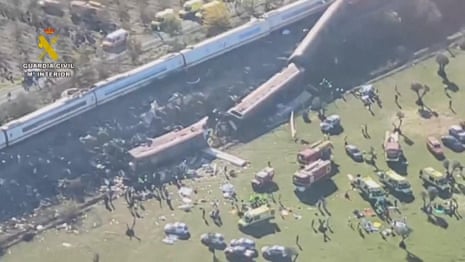
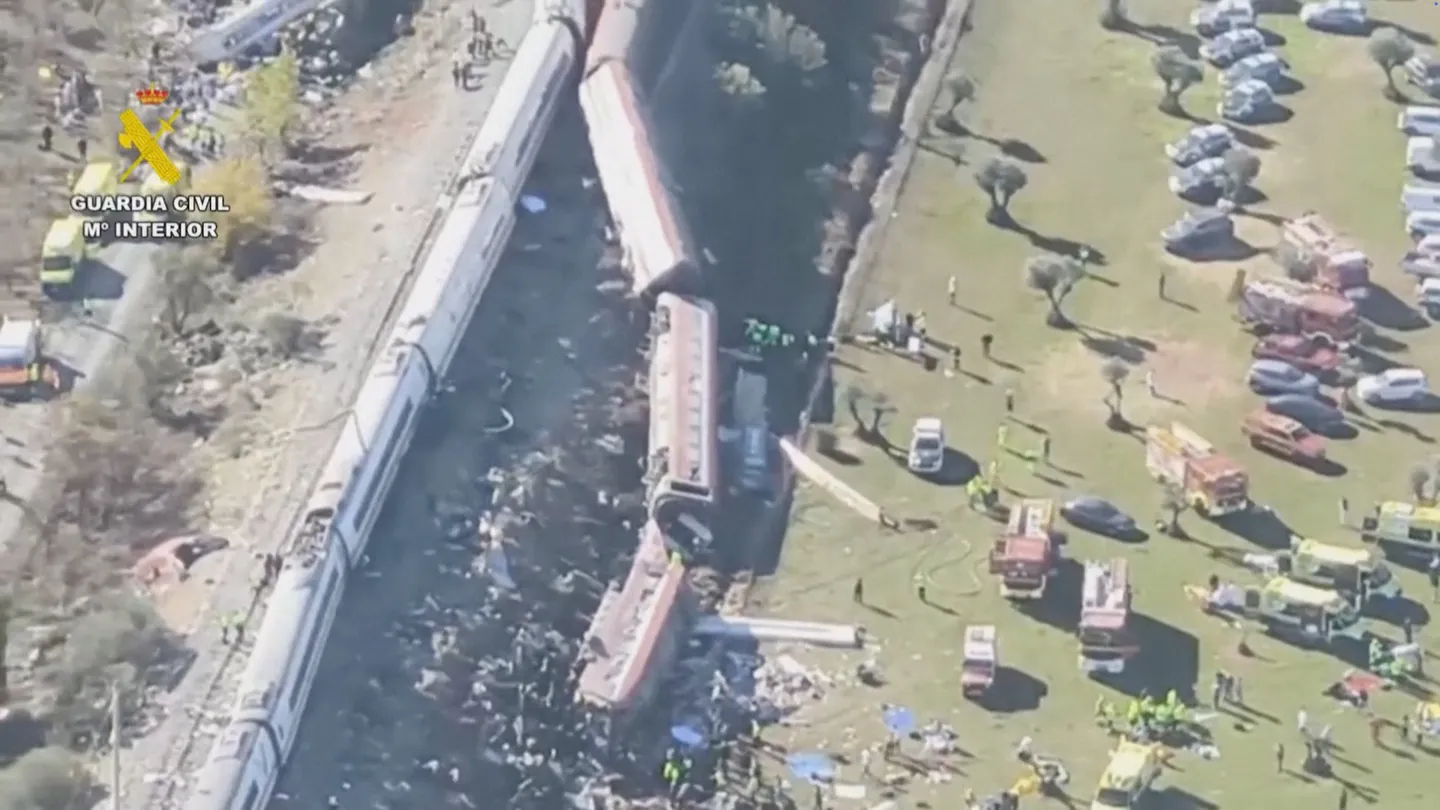
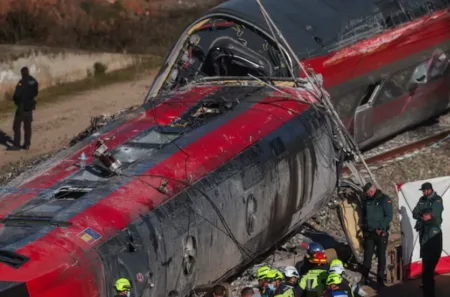
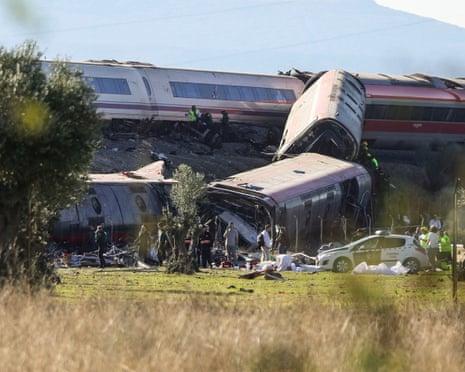
On October 28, 2026, two high-speed trains travelling south from Madrid to Seville collided near Urda in Toledo province. The Renfe-operated AVE struck the rear of a stopped Iryo train, sending at least two carriages off the tracks. Emergency crews, three medical helicopters and two mobile intensive-care units responded.
Watch
Related reporting
akamaized
At least 30 killed in high-speed rail collision in Spain
02
Background
This is the second fatal high-speed rail disaster in Spain within nine months. A January 18 crash near Adamuz killed 46 people and sparked debate over railway-maintenance investment. The October collision occurred on the Madrid-Andalusia corridor linking Madrid with Seville, Málaga and Córdoba.
Visual evidence
Images from the story
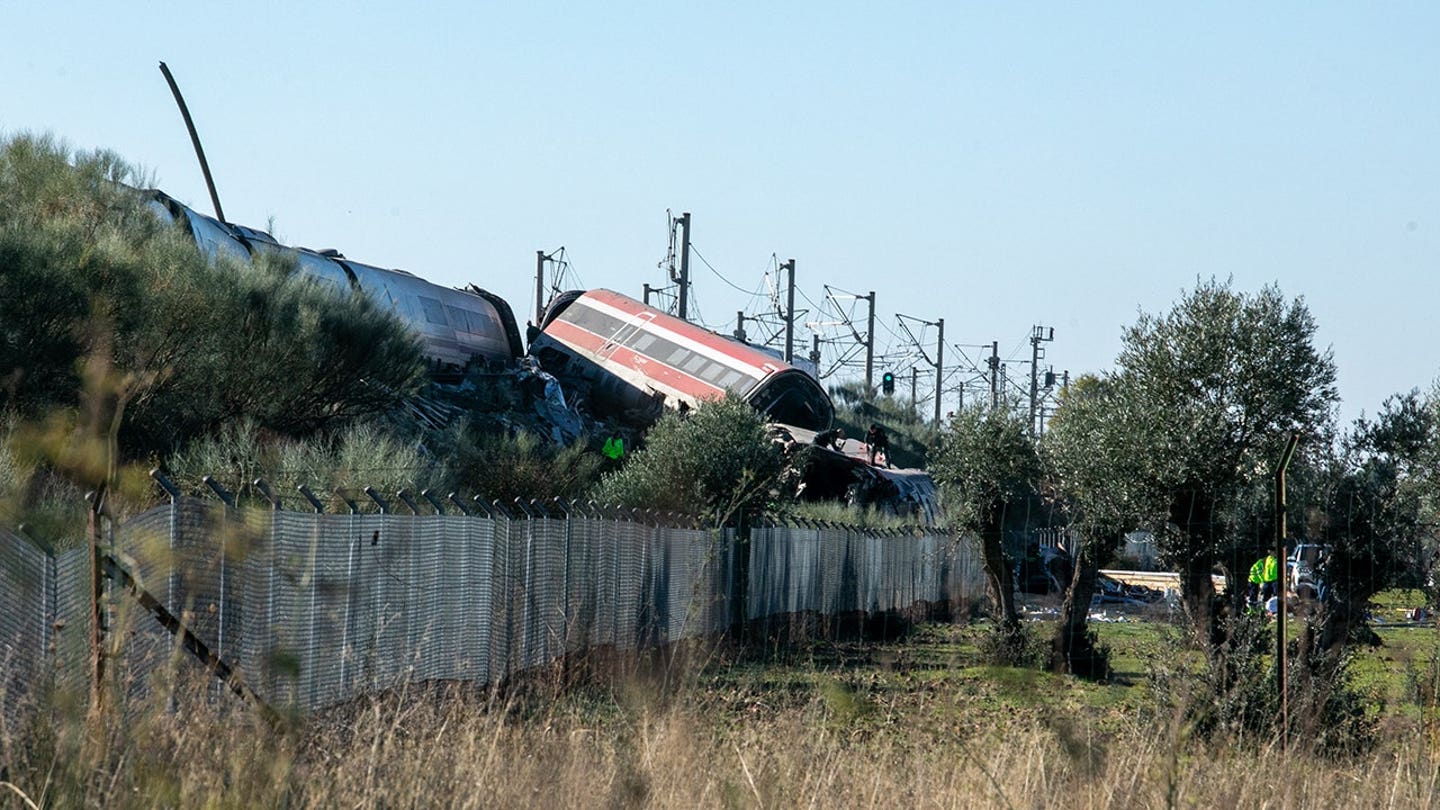

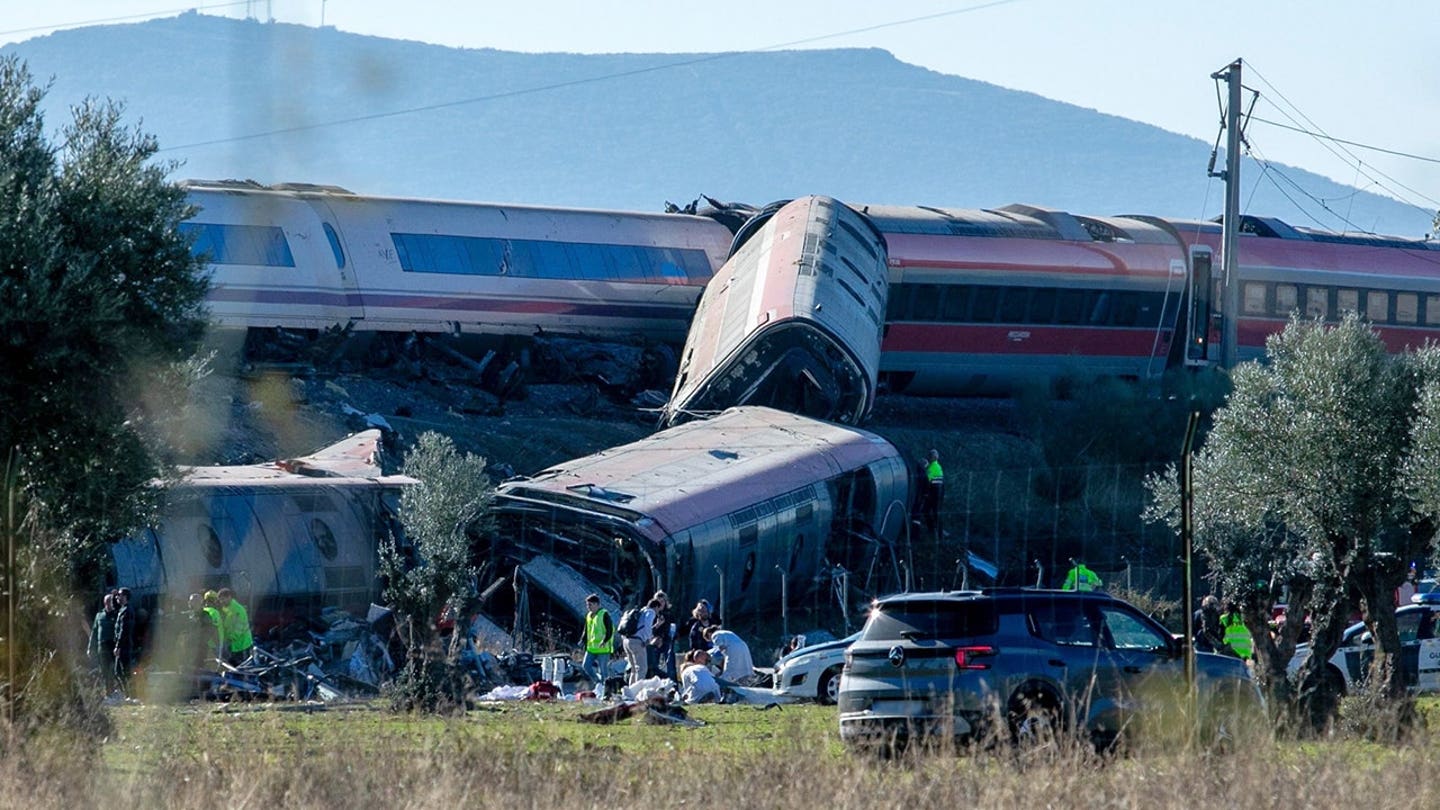
03
Key Figures & Groups
- Esther Padilla – Spokeswoman, Castilla-La Mancha regional government.
- Pedro Sánchez – Prime Minister of Spain.
- Mónica García – Minister of Health.
- Adif – State railway-infrastructure manager.
- Manuel Galán – Mayor of Urda.
04
Data & Statistics
- Passengers: 397 on the Renfe train and 147 on the Iryo train (? 544 total).
- Time of impact: shortly before 9:15 a.m. local time.
- Casualties: death tolls reported between 10, 30 and 46; numbers are expected to rise.
- Service disruption: all high-speed traffic on the line was halted.
05
Official Statements & Responses
Esther Padilla said the collision involved two trains heading in the same direction, with the stationary Iryo service rear-ended by the Renfe AVE, and warned the death count would likely increase.
Pedro Sánchez said he was in constant contact with the transport minister and the president of Castilla-La Mancha, expressing “affection, solidarity and support” for victims and families.
Mónica García described the incident as a “high-impact accident” and noted hospitals in Toledo and Alcázar de San Juan were preparing ICU capacity.
Adif posted on X that traffic on the line had been suspended following the collision.
06
Conflicting Reports & Gaps
Regional authorities initially listed 10 deaths, later rising to 30 according to the Castilla-La Mancha government. Some outlets, citing civil-protection sources, reported 46 fatalities. No final toll has been confirmed, and the cause remains under investigation; early speculation points to signalling failure or human error.
07
Verbatim Quotes
- “Traffic on the Madrid-Andalusia high-speed rail line has been suspended following a rear-end collision between two trains,” — Adif
- “It was a high-speed impact, so we are expecting this to be a tragedy,” — Mónica García
- “(credit: REUTERS/SUSANA VERA) "The latest confirmed figure is 10 dead, but we know it is going to increase.” — Esther Padilla
- “Shocked by the serious train accident in Toledo. My affection, solidarity, and support to all the victims and their families,” — Pedro Sánchez
- “It’s just a twisted mass of metal. It’s as if a bomb had gone off.” — Sebastián Herrero
08
Why It Matters
The collision highlights safety concerns on Spain’s flagship high-speed network. Repeated accidents on the same corridor raise questions about signalling reliability, operational protocols and oversight of private operators such as Iryo. The incident comes weeks before a national election, prompting leaders to suspend campaign activities.
09
What’s Next
Adif indicated that traffic will remain suspended until investigations determine the cause and safety measures are implemented. Authorities have opened a formal inquiry, focusing on possible signalling failures and the decision that allowed the Renfe train to pass a stop signal. Findings will shape future regulatory actions and may influence transport-policy debates ahead of the November 29 election.