
Full Breakdown
UK “Be Ready” campaign: emergency stockpiling advice meets low-income reality
By Drooid · · How we work
In this breakdown
01
Core Event – Government launches “Be Ready” emergency-preparedness push
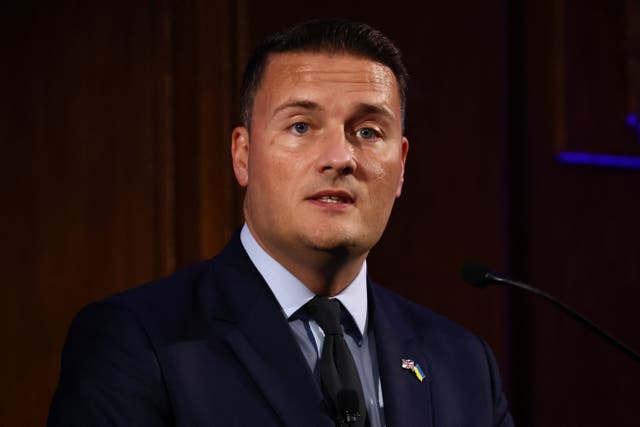
The UK government has introduced the “Be Ready” campaign, urging households to keep non-perishable food, bottled water, blankets, a radio and other essentials sufficient for at least three days without supermarket or electronic-payment access. Defence Secretary Wes Streeting framed the guidance as part of a broader effort to ready the nation for threats such as war, cyber-attacks, extreme weather and power outages.
02
Background & Context – Security concerns and national resilience
Streeting warned that Russia’s growing military capacity could enable an attack on the UK by 2030, giving “a little over 1,000 days” to achieve defence readiness. The campaign follows a high-profile cyber-security flaw in the PHP programming language that temporarily knocked many websites offline, and reports of Russian fishing vessels gathering intelligence on UK under-sea cables. MI5 Director-General Sir Ken McCallum called for a “whole-of-society effort” to protect critical infrastructure from hacks, drone disruptions and cyber attacks on hospitals.
Visual evidence
Images from the story
03
Data & Statistics – Scope of need and official recommendations
- 14 million households are classified as living in poverty across the UK (Prof Ruth Patrick, University of Glasgow).
- 7.4 million low-income families were unable to afford essential items in the past six months (Joseph Rowntree Foundation cost-of-living tracker, July 2026).
- 1.5 million households have used a food bank in the same period.
- The guidance advises each person to store roughly nine litres of bottled water and enough non-perishable food for three days, plus a torch, spare batteries, blankets, a power bank and a wind-up FM radio.
04
Official Statements & Responses
The statement emphasizes that supplies can be accumulated “step by step” rather than all at once.
Andy Burnham reiterated that the advice is about “sensible measures” to tide households over during difficult situations.
Sir Ken McCallum urged citizens, businesses and public bodies to cooperate in safeguarding critical services from cyber and physical attacks.
05
What’s Next – Ongoing public information rollout
The government has launched a dedicated website with a downloadable emergency-kit checklist and continues to promote the “Be Ready” message through media campaigns. No specific future deadlines or legislative actions have been announced.