
Full Breakdown
Ceasefire in Oleshky: A Humanitarian Pause Amid Ongoing War
By Drooid · · How we work
In this breakdown
01
Core Event
On October 27 2026 a localized cease-fire began at 3 a.m. Kyiv time around the Russian-occupied town of Oleshky in Ukraine’s Kherson region. The truce, brokered by U.S. First Lady Melania Trump with mediation by Pope Leo XIV and participation of Russian human-rights commissioner Yana Lantratova and Ukrainian ombudsman Dmytro Lubinets, is intended to enable humanitarian aid deliveries and the evacuation of civilians who wish to leave. It is scheduled to remain in force until 23:59 local time on November 1.
Watch
Related reporting
akamaized
First lady Melania Trump secures ceasefire for Ukrainian city
02
Background & Context
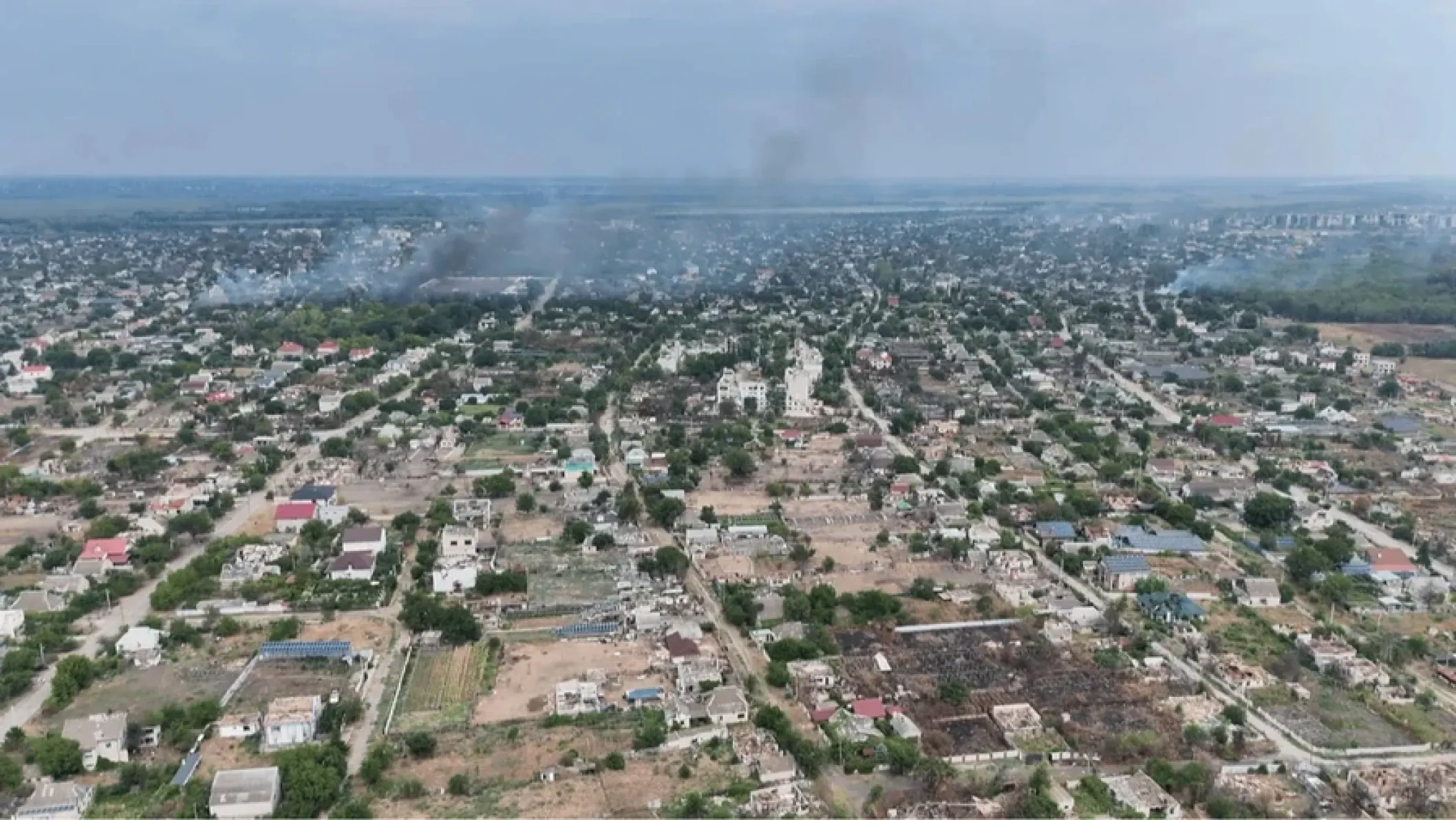
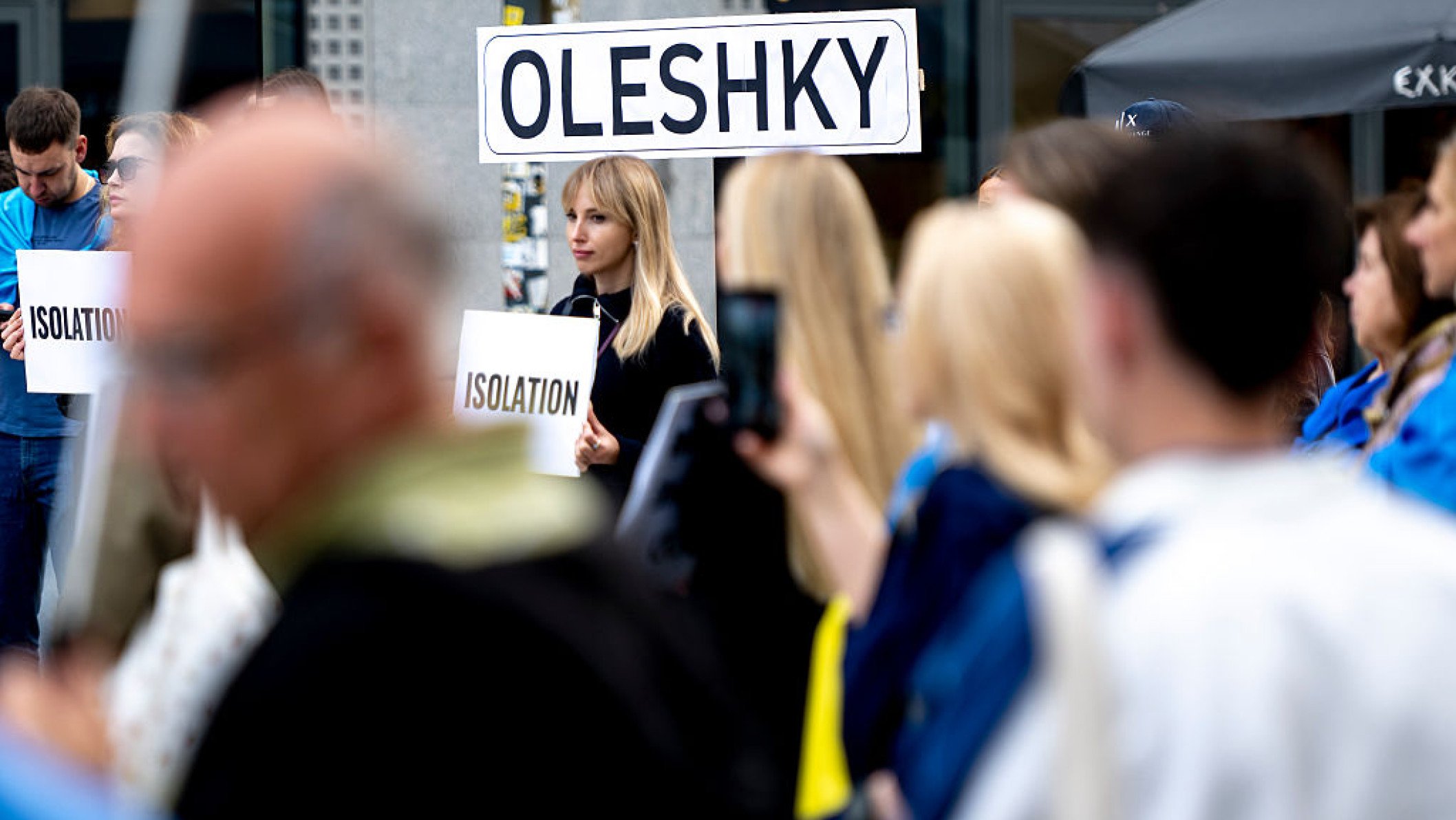
Oleshky was seized on February 24 2022, the first day of the full-scale invasion, and has been blockaded ever since. Before the war the town housed about 24,000 people; United Nations estimates now place the remaining population at 1,700-2,000, including roughly 50 children. The city has lacked electricity, running water, gas and heating since the June 10 2023 flooding caused by the Kakhovka dam collapse. Mine-laden roads and drone attacks have made evacuation hazardous, while food, medicine and clean water supplies have dwindled. International figures—including Pope Leo XIV and the United Nations—have called for humanitarian access.
Visual evidence
Images from the story





03
Data & Statistics
- Pre-war population: ? 24,000.
- Current residents: ? 1,700-2,000 (UN).
- First 30 hours of the cease-fire: no incidents reported (Lubinets, October 28 2026).
- Russian Defence Ministry claim: Ukraine struck Oleshky 18 times with artillery and launched > 120 drone attacks since October 19.
04
Official Statements & Responses
Ukrainian ombudsman Dmytro Lubinets confirmed that both sides are honoring the cease-fire and that de-mining work is under way. Russian official Yana Lantratova praised the truce, stating that “Her personal involvement is of great importance to the entire process.”
Ukrainian President Volodymyr Zelenskyy thanked the first lady, saying, “We are grateful that they are organizing this possibility to evacuate people.” Ukrainian intelligence chief Kyrylo Budanov described the mission as “critically important” for rescuing civilians.
The Russian Defence Ministry announced that its forces halted shelling in the Kherson direction at 4 a.m. Moscow time to facilitate the operation.
05
Criticism & Opposition
Volunteer Ksenia Arkhipova, a former Oleshky resident, warned that “people say they are genuinely afraid that the Russians will check their phones and look for evidence of Ukrainian relatives or ties to the Armed Forces of Ukraine.” This reflects deep mistrust of Russian intentions regarding evacuees.
06
Conflicting Reports & Gaps
- Russian claim vs. Ukrainian observation: The Russian Defence Ministry alleges 18 artillery strikes and over 120 drone attacks on Oleshky since October 19, whereas Lubinets reports no cease-fire violations in the first 30 hours. No independent verification has been provided.
- Monitoring mechanisms: Both sides say representatives from Ukraine, Russia and the United States will be present to assess needs, but details on compliance verification remain unclear.
07
What’s Next
The cease-fire expires at 23:59 local time on November 1. Parallel diplomatic activity includes planned trilateral talks in Abu Dhabi in early November involving delegations from Ukraine, Russia and the United States, aimed at reviving broader peace negotiations. Russian and Ukrainian forces continue to exchange strikes elsewhere, underscoring the fragile and localized nature of the Oleshky pause.