
Full Breakdown
King Charles III’s Caribbean Tour Sparks Renewed Calls for Slavery Reparations
By Drooid · · How we work
In this breakdown
01
King Charles III’s Caribbean Tour and CHOGM
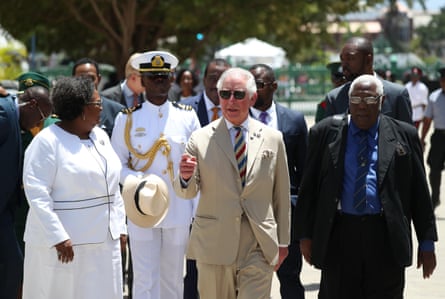
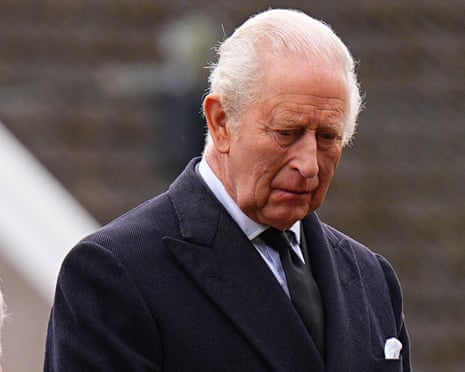
From October 27 to November 4, King Charles III and Queen Camilla will travel to the Bahamas, Guyana, and Antigua and Barbuda, ending with the Commonwealth Heads of Government Meeting (CHOGM). The trip coincides with intensified demands from Caribbean and African leaders for a British apology and reparations for the transatlantic slave trade.
02
Historical Context of the Commonwealth and Reparations Demands
The Commonwealth, a voluntary association of 56 former British territories, was reshaped after World II to maintain cultural and legal links among independent nations. Caribbean Community (CARICOM) members have collectively pressed Britain for reparatory justice. A United Nations resolution tabled by Ghana in March 2026 labeled the slave trade the “gravest crime against humanity” and called for reparations, while Jamaica’s petition to the UK Privy Council seeks legal consideration of Britain’s responsibility.
Visual evidence
Images from the story
03
Quantifying the Slave-Trade Legacy
- Between the 15th and 19th centuries, at least 12.5 million Africans were abducted and sold into slavery by European merchants.
- CNN-cited research estimates Britain transported about 3.2 million of those individuals, the second-largest European transporter after Portugal.
- When Britain abolished slavery in 1834, the government compensated slave owners the equivalent of £17 billion ($22.5 billion); enslaved people received none.
04
Official Statements & Government Position
- Buckingham Palace confirmed the King will acknowledge Britain’s involvement in slavery but will not issue a formal apology, saying such matters are “matters for governments to address.”
- The British government, reported by Business Insider, continues to oppose an official apology and financial reparations.
- Commonwealth Secretary-General Shirley Botchwey told Sky News that “it wouldn’t hurt” for the King to apologize and that “the countries have asked for” reparations, noting that discussions on form and implementation are forthcoming.
05
Criticism & Opposition from Caribbean Leaders
- CARICOM Secretary-General Carla Barnett said reparations are “fundamentally about justice,” framing the issue as one of recognition, accountability, and transformation.
- High Priest Richmond McKinney organized protests in the Bahamas, echoing dissent against the Crown dating back to the 1980s.
06
On-the-Ground Reactions
Protesters in the Bahamas and Guyana gathered outside royal venues, chanting for “freedom, redemption and international repatriation.” Commentators note that the King’s previous acknowledgment of “deep sorrow” during a 2023 Kenya visit has not led to concrete policy changes, fueling frustration among Caribbean populations.
07
Conflicting Reports & Gaps
- CARICOM and several Caribbean leaders expect reparations to dominate the CHOGM agenda, yet the official CHOGM programme lists no formal reparations item.
- The British government’s refusal to commit to an apology contrasts with the Secretary-General’s suggestion that an apology “wouldn’t hurt,” highlighting a diplomatic disconnect.
08
Verbatim Quotes
- “I think his visit is pivotal,” — Patrick Vernon, cultural historian, Global Jamaica Diaspora Council
- “The Caribbean has consistently asserted that reparations is fundamentally about justice,” — Carla Barnett, CARICOM Secretary-General
- “That’s what the countries have asked for,” — Shirley Botchwey, Commonwealth Secretary-General
09
What’s Next
- Jamaica’s petition to the Privy Council is scheduled for a hearing in next March, potentially setting a legal precedent for reparations claims.
- The Commonwealth is expected to continue deliberations on the form reparations might take, with further consultations among member states after CHOGM.