
Full Breakdown
Record Turnout Among Israeli Arabs Shifts Election Landscape
By Drooid · · How we work
In this breakdown
01
Core Event: Historic Turnout and an Uncertain Majority
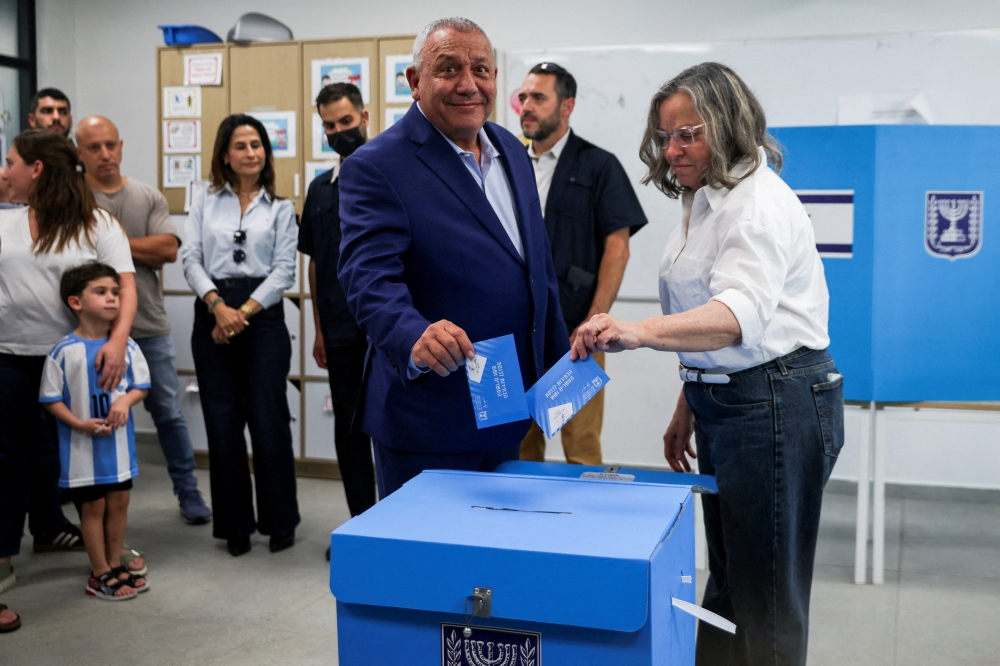
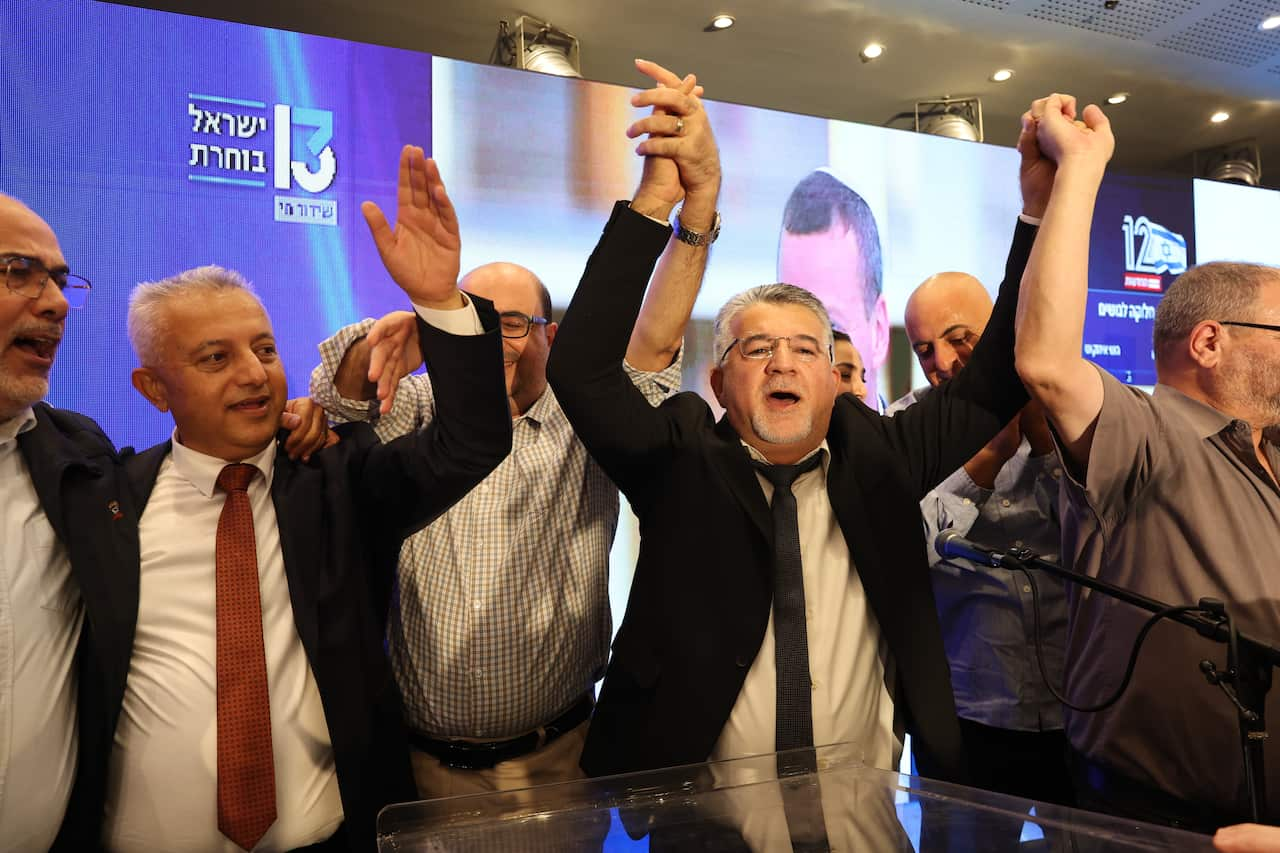
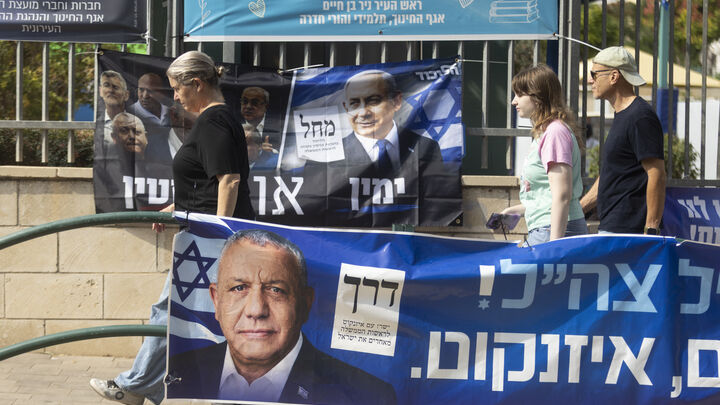
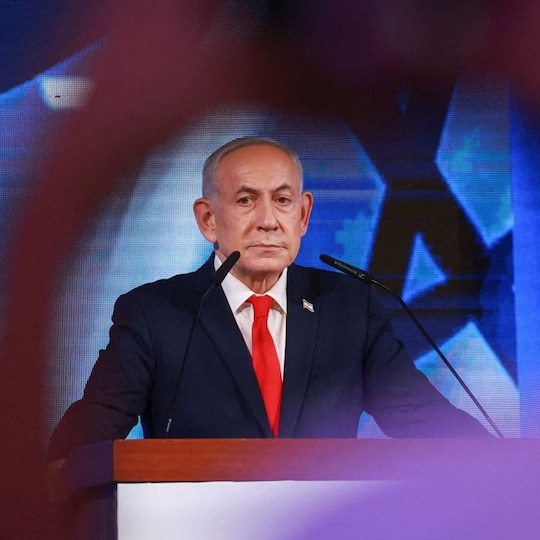
Israel’s parliamentary election was held on October 27, 2026. The Central Elections Committee reported a 77.7 % turnout, the highest since 1999. Arab-citizen participation reached around 80 %. Exit polls show Prime Minister Benjamin Netanyahu’s bloc projected at 50–56 seats, short of the 61 needed for a majority, while the opposition led by former chief of staff Gadi Eisenkot is projected at 48–53 seats. The Joint List and United Arab List (Ra’am) together could win 15–19 seats, making them potential kingmakers.
Watch
Related reporting
brightcove
High voter turnout among Palestinian citizens of Israel threatens Netanyahu
brightcove
Arab parties on track to win record seats in Israel election, polls show
brightcove
Arab parties in Israel accuse Netanyahu of inciting hatred to scare voters
02
Background & Context
Arab citizens, about 21 % of Israel’s 10-million population, have historically voted at 45-65 %. The 2026 vote followed heightened tension over settlement outposts and rhetoric framing Arab voting as a threat to the state’s Jewish character. Past Arab participation in coalitions, such as Ra’am’s 2021-2022 alliance, sparked right-wing backlash.
Visual evidence
Images from the story




03
Data & Statistics
- Overall turnout: 77.7 % (CEC).
- Arab-citizen turnout: ~80 %.
- Arab parties’ seats: 15–19 (various outlets).
- Netanyahu’s bloc: 50–56 seats.
- Eisenkot’s bloc: 48–53 seats.
- Likud seats: ~27.
04
Official Statements & Responses
Eisenkot said the results show “complete distrust in Netanyahu” and pledged a “Zionist government that serves all.”
Yair Golan of The Democrats called for an alliance with Arab parties, saying “we must no longer accept Netanyahu’s racist division.”
The legal rights group Adalah reported complaints of delayed queues and missing Arabic ballot slips in Arab-majority towns and alerted the CEC.
05
Criticism & Opposition
Arab leaders condemned Netanyahu’s rhetoric as a “scare tactic.” Mansour Abbas called it an attempt to mobilise right-wing voters against Arab participation. Ahmad Tibi labeled the post-October 7 stance “racist” and warned of intimidation at polling stations. Joint List’s Yousef Jabareen described the election as a chance to end the “blood-soaked government” fueling regional wars.
06
On-the-Ground Reports
Residents in Arab towns reported unusually long queues and occasional halted voting lines. Activists near polling stations were interpreted by Arab parties as voter intimidation.
07
Conflicting Reports & Gaps
Seat projections for Arab parties vary (15–19). Turnout figures differ slightly between “around 80 %” for Arab citizens and the overall 77.7 % figure. Final official results were pending, with the CEC saying the seat distribution would be announced by Thursday morning.
08
Verbatim Quotes
- “The people who were indifferent to the elections, and who did not want to participate or vote, the matter provoked them,” — Hussein Manna, Majd al-Krum
- “What is the excuse? It is post-October 7, and this is a racist position,” — Ahmad Tibi
- “With the numbers we have now, there is no government,” — Mansour Abbas, Ra’am leader
- “The preliminary poll results point to complete distrust in Netanyahu,” — Gadi Eisenkot
09
What’s Next
Under Israeli law, the president will task Likud leader Benjamin Netanyahu with forming a government. If he cannot secure a majority, the mandate may shift to the opposition. Coalition talks are expected to last weeks, with possibilities ranging from a minority government supported by Arab parties to a broader unity arrangement. Official certification of the Knesset composition is slated for Thursday.