
Full Breakdown
Russia Hosts Third Russia-Africa Summit Amid Push for Influence and Controversy
By Drooid · · How we work
In this breakdown
01
Core Event
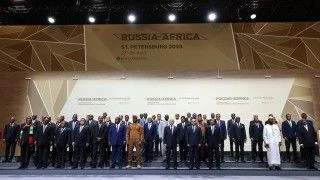
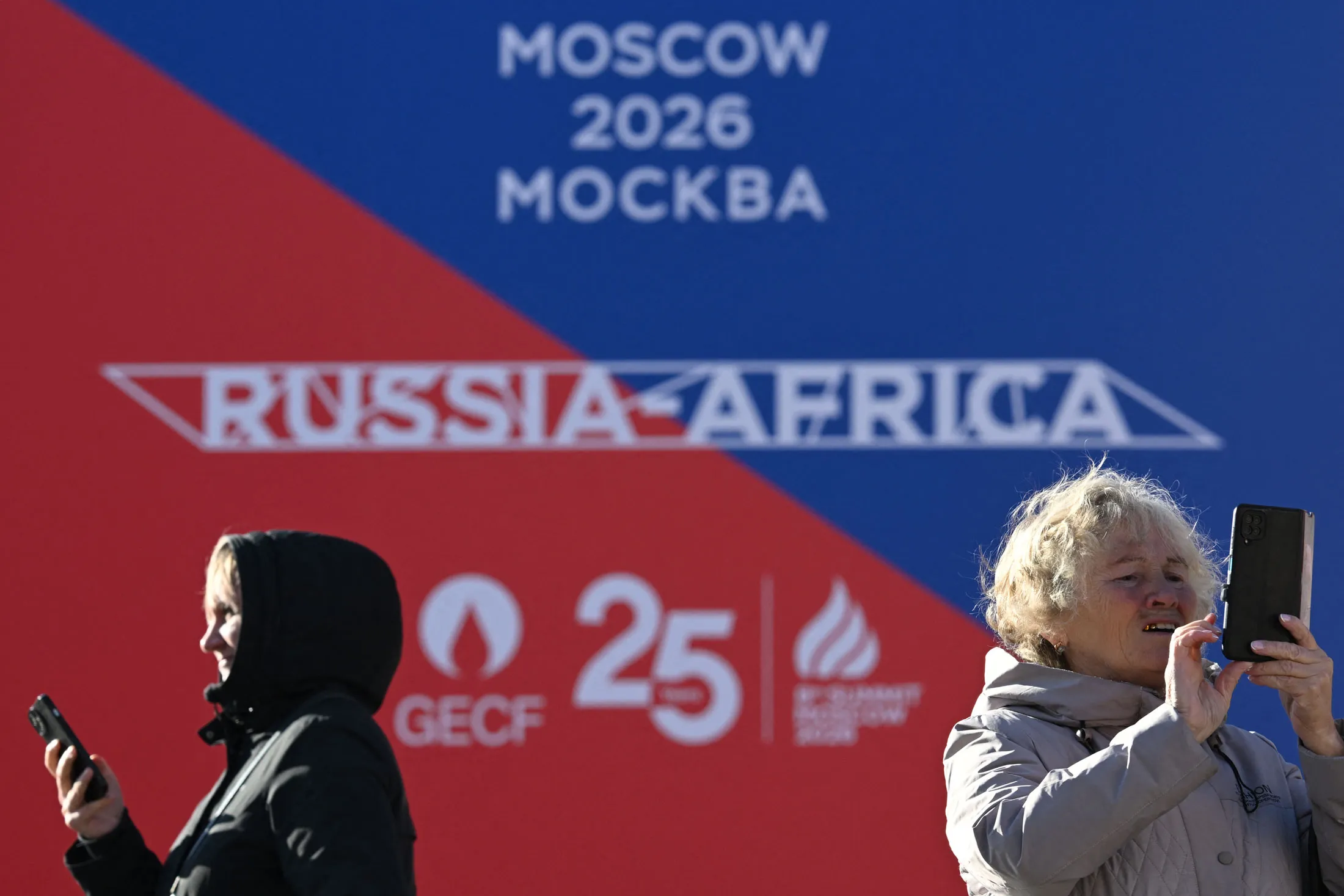
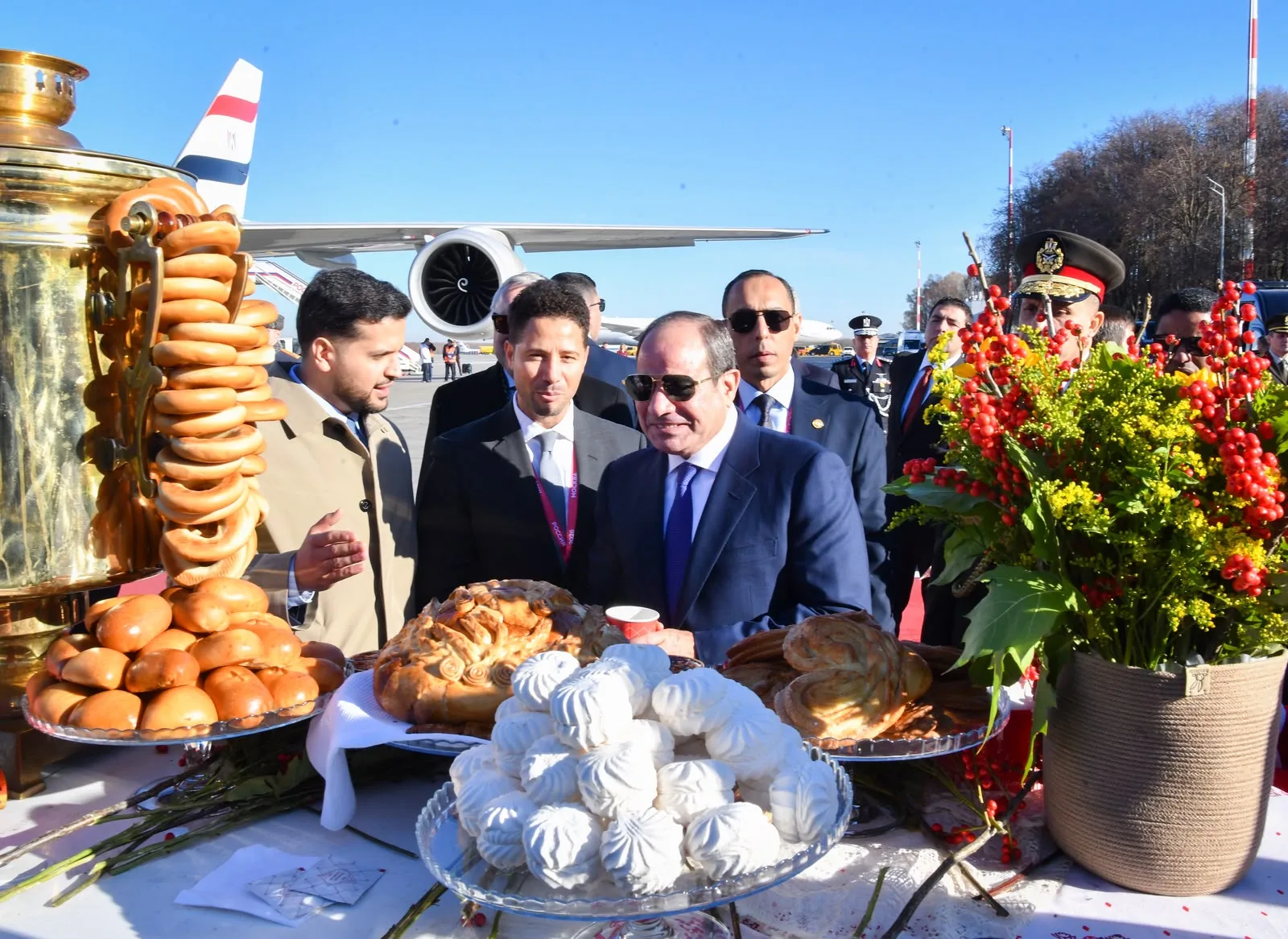
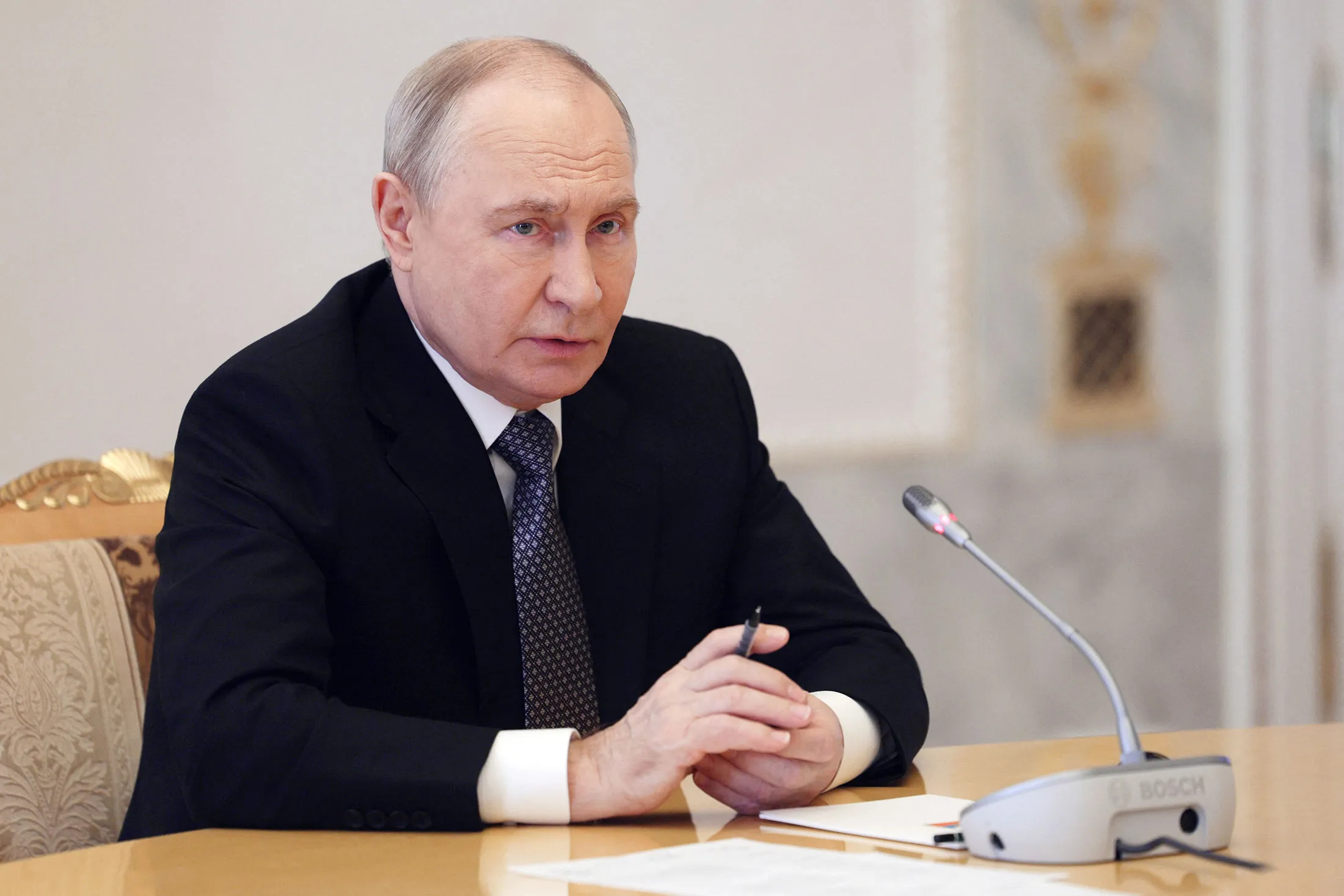
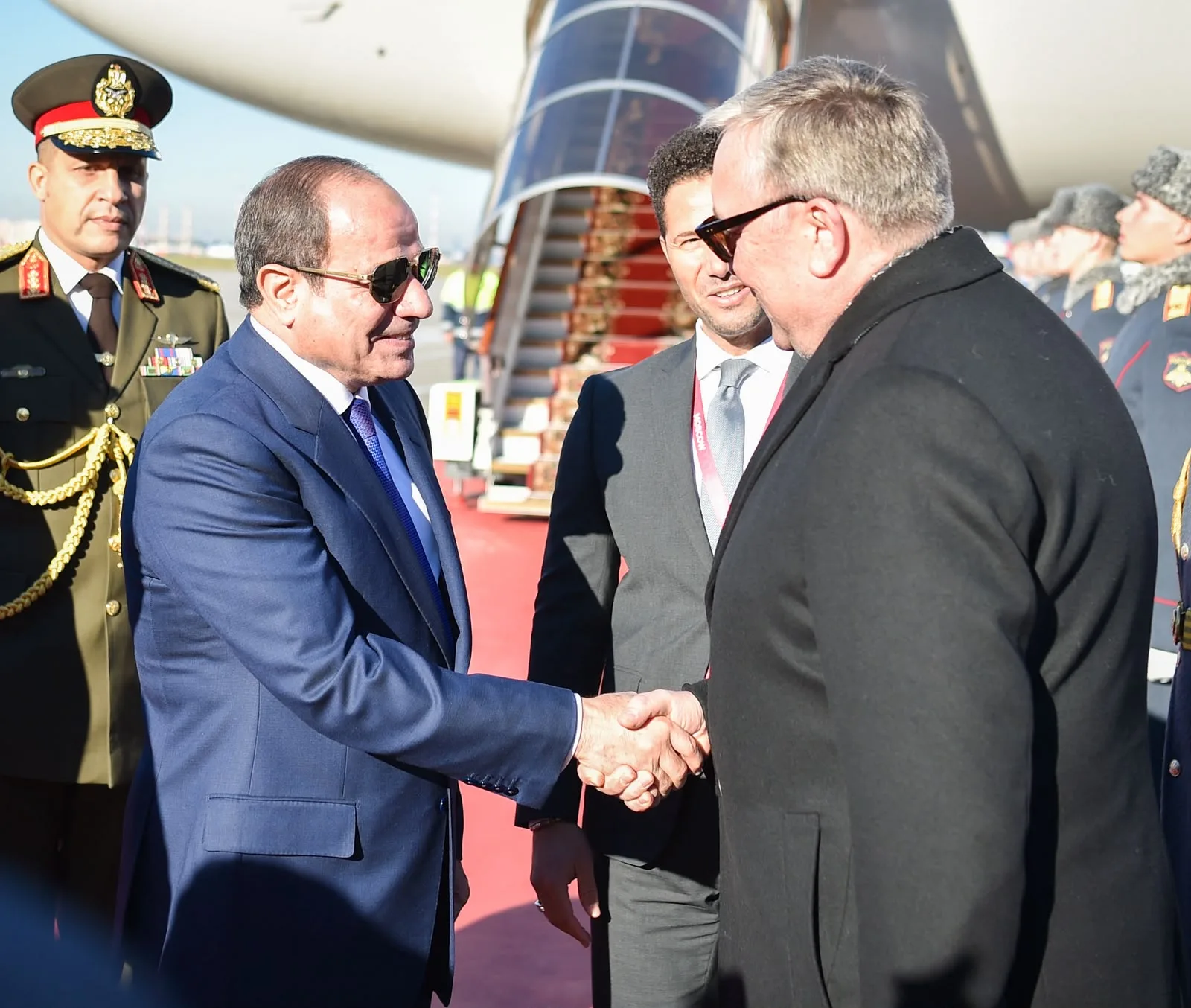
On October 28-29 2026, Moscow convened the third Russia-Africa Summit. Delegations from 48 African states—including heads of state from Egypt, Kenya, Rwanda, Burundi (AU chair) and Sudan—met for plenary sessions, bilateral talks and an Economic and Humanitarian Forum. The agenda covered trade, investment, energy, food security, science, technology, artificial intelligence and security cooperation, with a joint declaration and a 2027-2029 partnership action plan slated for adoption.
Watch
Related reporting
brightcove
Amnesty accuses Russia of trafficking foreigners to fight in Ukraine
02
Background & Context
Russia’s outreach intensified after its 2022 invasion of Ukraine created a diplomatic rift with the West. Summits in Sochi (2019) and St. Petersburg (2023) established a three-year rhythm, but trade with the continent remains modest—about $27 billion in 2025, roughly 3.9 % of Russia’s total foreign trade. Egypt and Algeria account for most of that volume; Egypt alone generated $10.5 billion, driven by grain shipments and a $25 billion nuclear-plant loan.
Visual evidence
Images from the story


03
Data & Statistics
- Russian-African trade in 2025: $27 billion (? 39 % with Egypt).
- Africa’s share of Russian foreign trade: 3.9 % (2025).
- Arms market share (2021-2025): 15 % of African imports, peaking at 21 % in 2020-2024.
- Recruitment of African nationals for the war in Ukraine (Jan-Sept 2026): 699 Burundians (vs 30 in 2025) and 530 Zimbabweans (vs 65 in 2025).
04
Official Statements & Responses
Deputy Chief of Staff Maxim Oreshkin emphasized a “strong, sovereign Africa” and cited the Egyptian nuclear project as a model for joint technology transfer.
05
Criticism & Opposition
Amnesty International’s African section issued an open letter urging summit participants to demand an immediate end to “coercive and deceptive recruitment” of Africans for the Russian war effort, calling the practice “trafficking” under international law. Kenyan officials have pressed Moscow for answers on the fate of their citizens, while civil-society groups in Zimbabwe and Burundi have begun prosecuting alleged recruiters.
06
Conflicting Reports & Gaps
Recruitment numbers for Kenya vary widely: parliamentary figures, a petitioned list and Amnesty’s estimate (over 1,000). No independent audit has reconciled these counts, leaving the true scale uncertain. Russia’s public trade data omit detailed breakdowns of contracts for military equipment, making it difficult to assess the depth of security cooperation beyond the publicly noted presence of the “Africa Corps” in the Central African Republic, Mali and Libya.
07
What’s Next
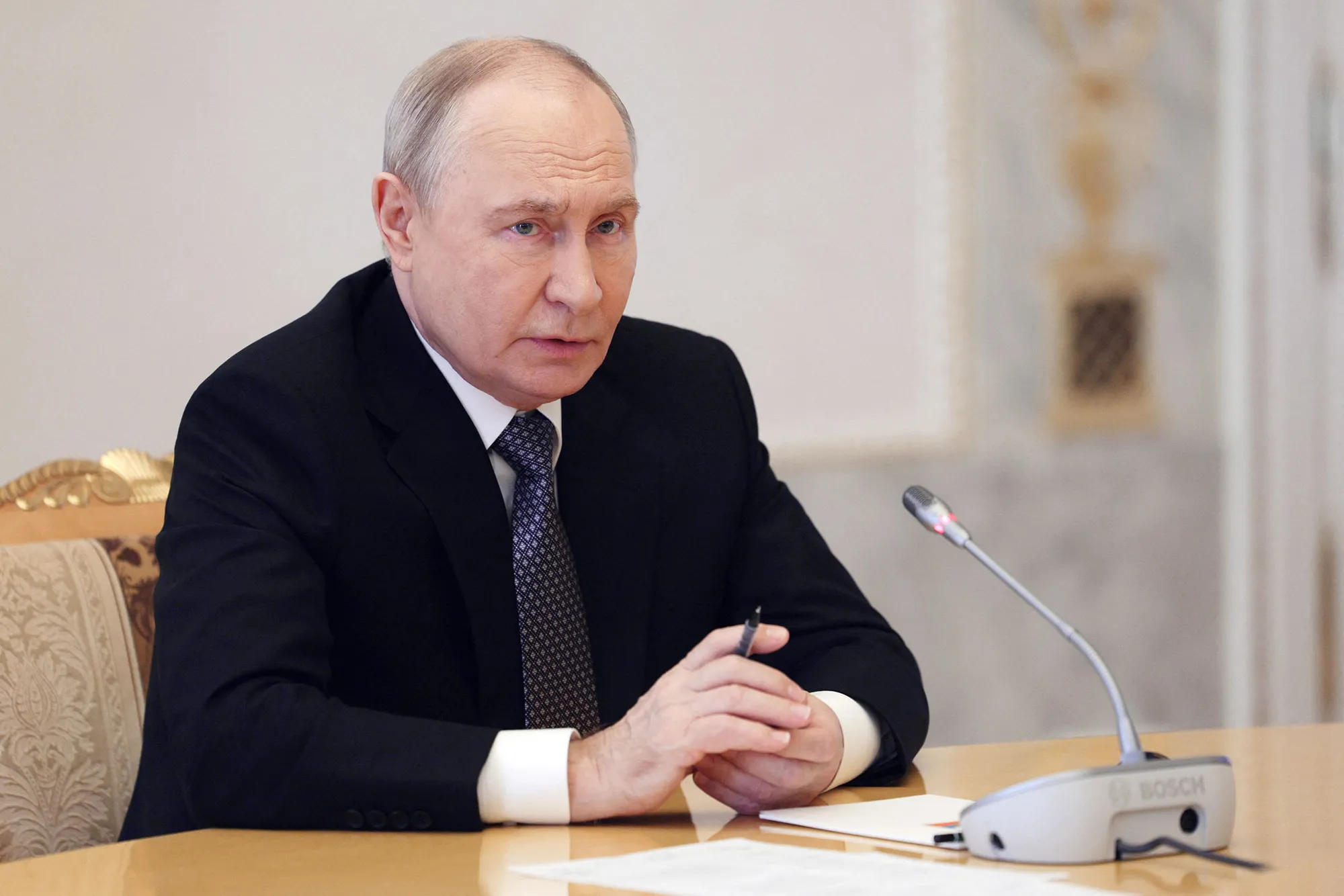
The summit is expected to produce a joint declaration and a 2027-2029 partnership action plan covering trade, energy, AI and security. Bilateral talks on the sidelines include Putin’s meetings with Egyptian President Abdel Fattah El-Sisi and Kenyan President William Ruto, as well as discussions on expanding Russian arms sales and nuclear-energy projects. Human-rights advocates plan to raise recruitment concerns during high-level sessions, while Russian officials have signaled willingness to discuss “civilian uses of artificial intelligence” and “digital sovereignty” with African partners.