
Full Breakdown
Federal Courts Clash Over DOJ Attempt to Block Mail Ballots in California
By Drooid · · How we work
In this breakdown
01
Core Event
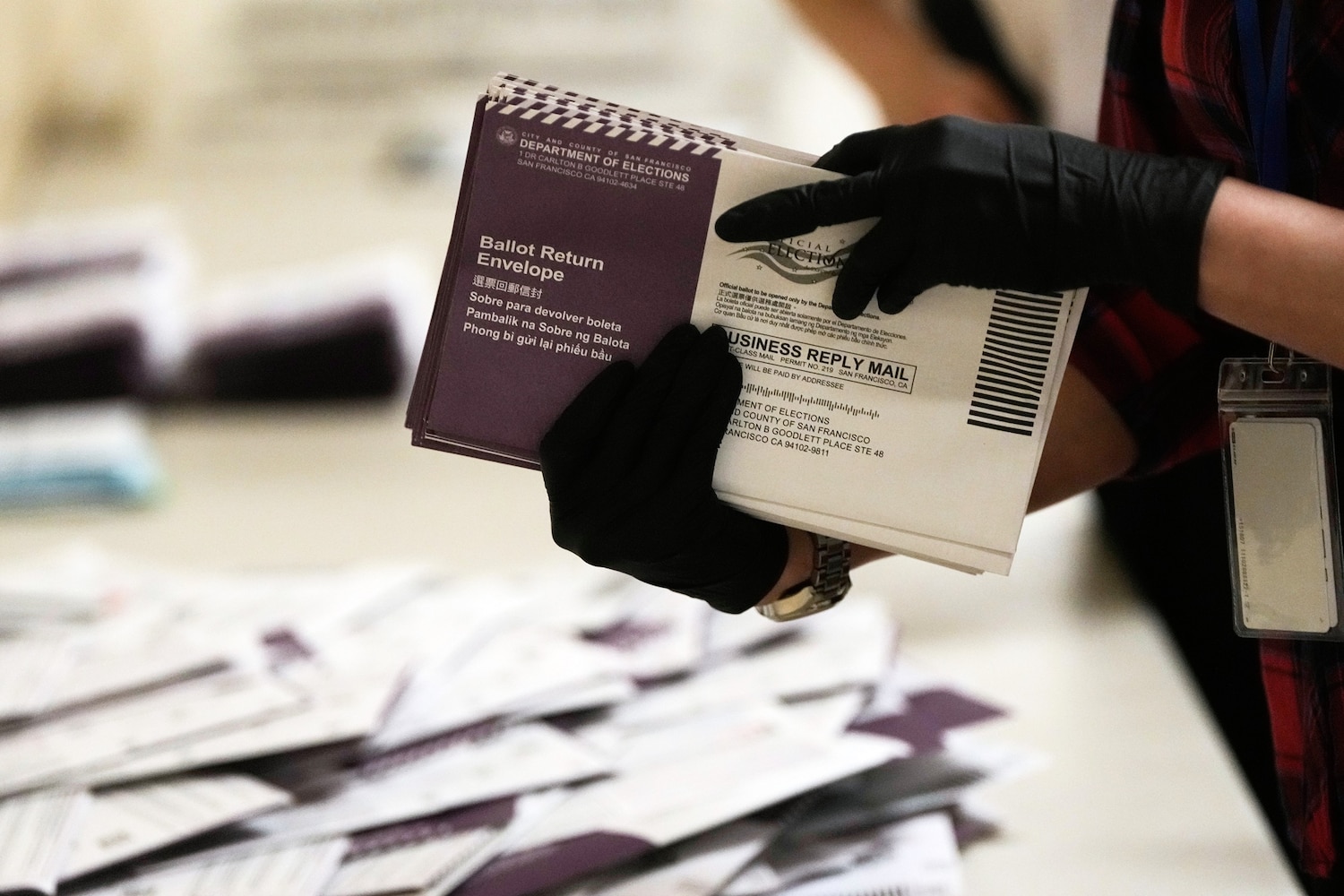
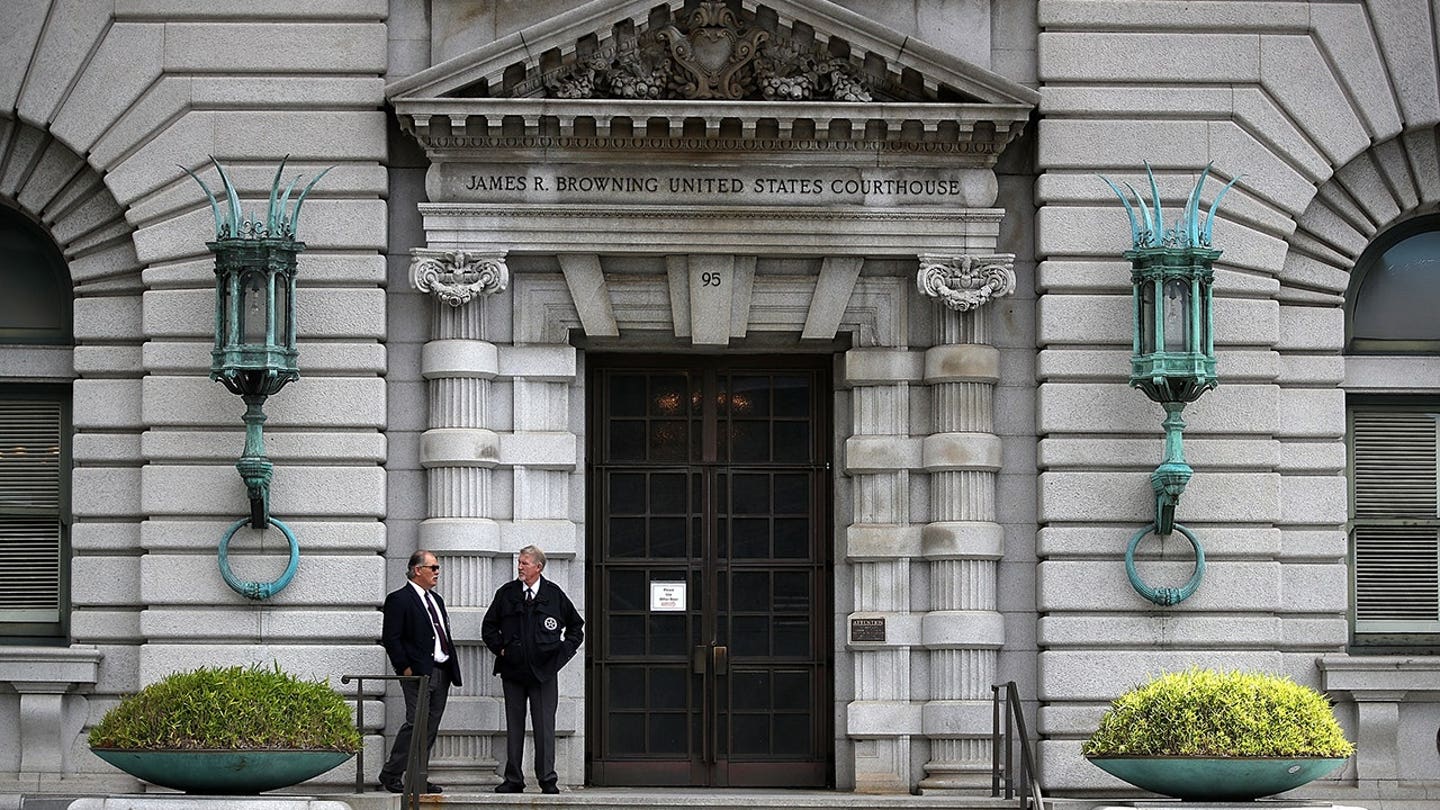
The Justice Department filed a lawsuit on October 15 seeking a federal order that would require California to set aside mail-in ballots cast by roughly 20,000 registered voters the department says are “likely” non-citizens. U.S. District Judge David O. Carter heard arguments on October 27 and indicated he would issue a ruling the following day. Before Carter could rule, the DOJ appealed to the 9th U.S. Circuit Court of Appeals, which on October 26 denied the emergency request, finding the appellate court lacked jurisdiction because the district judge had not yet ruled.
Watch
Related reporting
cbsnews
Video: Breaking down the legal battle over California's election process
ddhq
What to know about Flydubai cockpit clash as pilot is arrested
ddhq
What to know about Flydubai cockpit clash as pilot is arrested
02
Background & Context
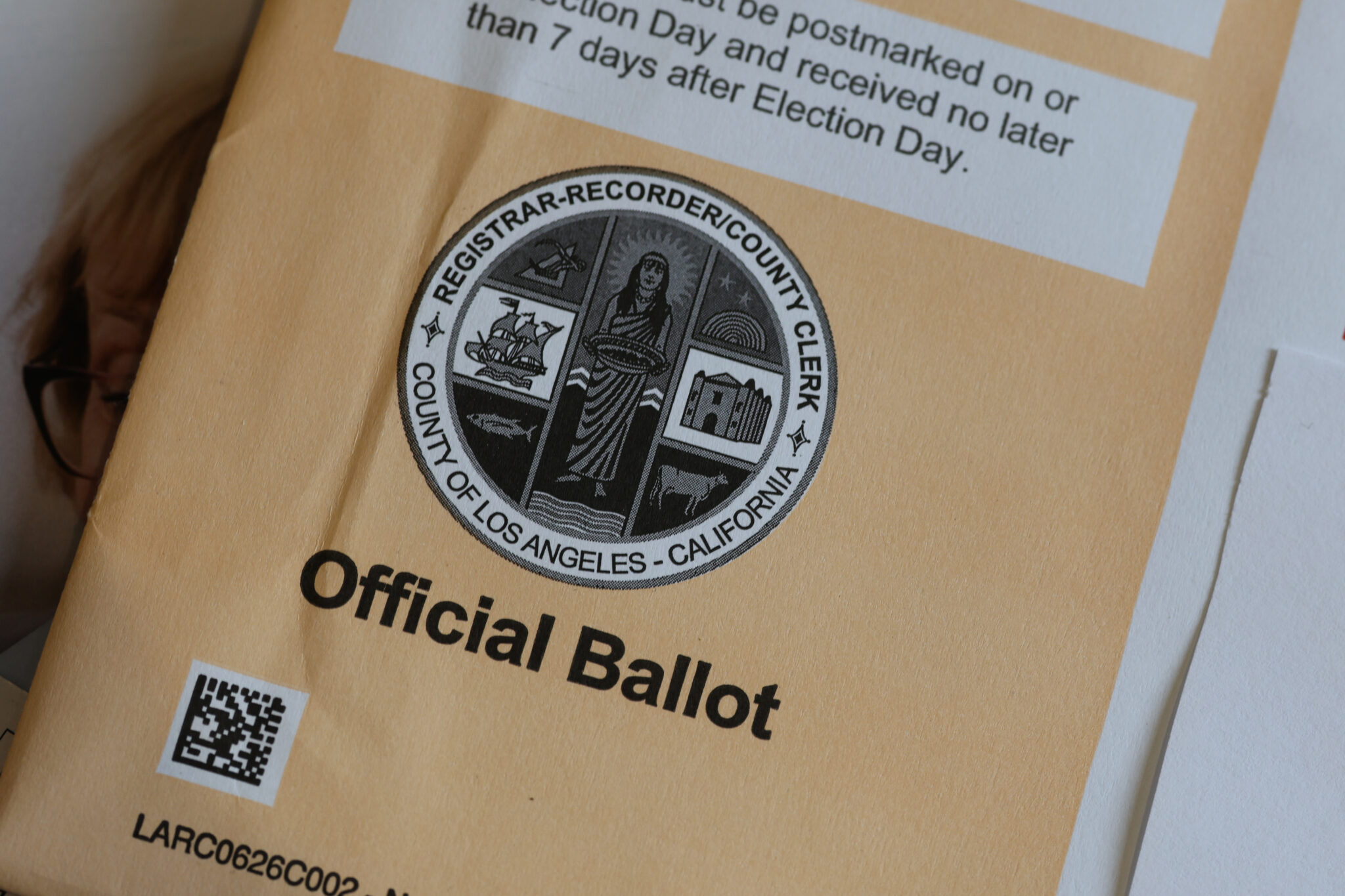
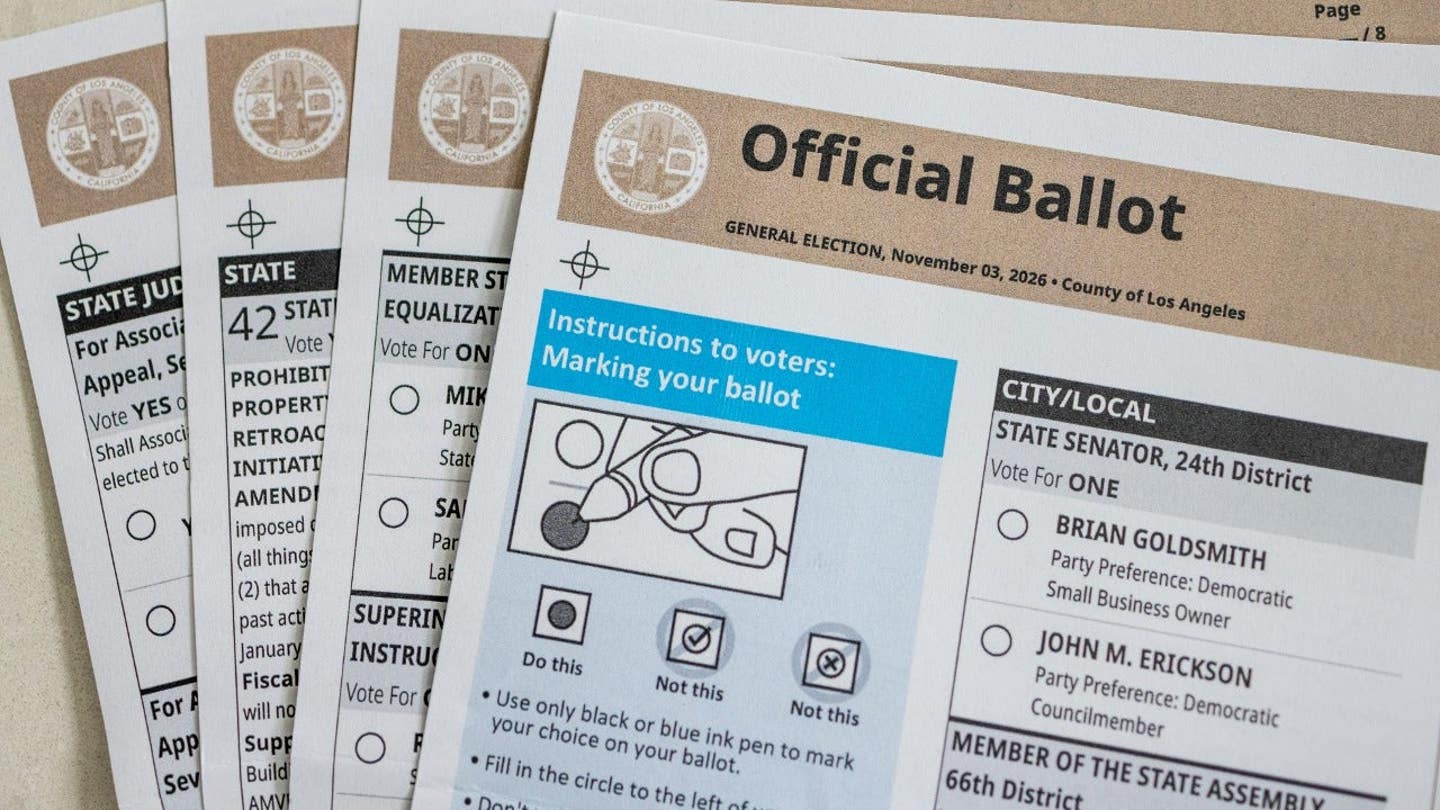
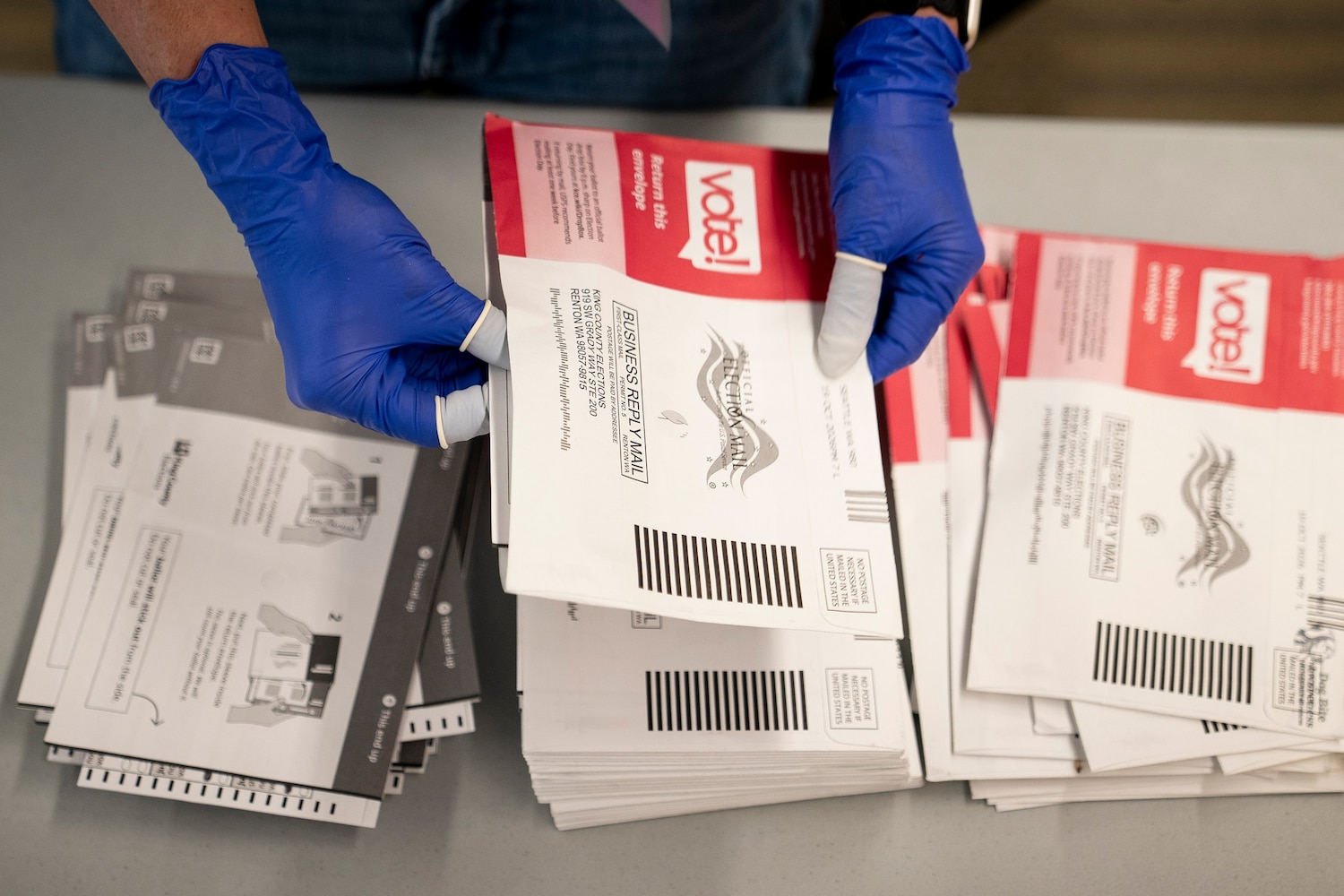
The DOJ’s claim rests on a list compiled from a “thumb drive” supplied to California officials on October 13. The list was produced by DHS after comparing state voter files with federal immigration data and an unnamed third-party analytics service. A similar demand was sent to Washington state, asking officials to set aside ballots from more than 400 individuals it alleges are non-citizens. Both requests arrived weeks before the November 3 midterm election, after California mailed ballots on October 1 and Washington was processing mail ballots on October 23.
Visual evidence
Images from the story

03
Data & Statistics
- California: 20,000 alleged non-citizens; 28 have been criminally charged (as of October 19).
- A sample of 200 names showed ?40 % were U.S.-born and 71.2 % had no voting history.
- By October 21, Los Angeles County had processed more than 331,000 mail-in ballots.
- Washington: the DOJ identified >400 registrants, estimating they cast about 1,500 votes in prior elections.
04
Official Statements & Responses
- Judge Carter questioned the DOJ’s urgency, warning that threats to election workers must cease.
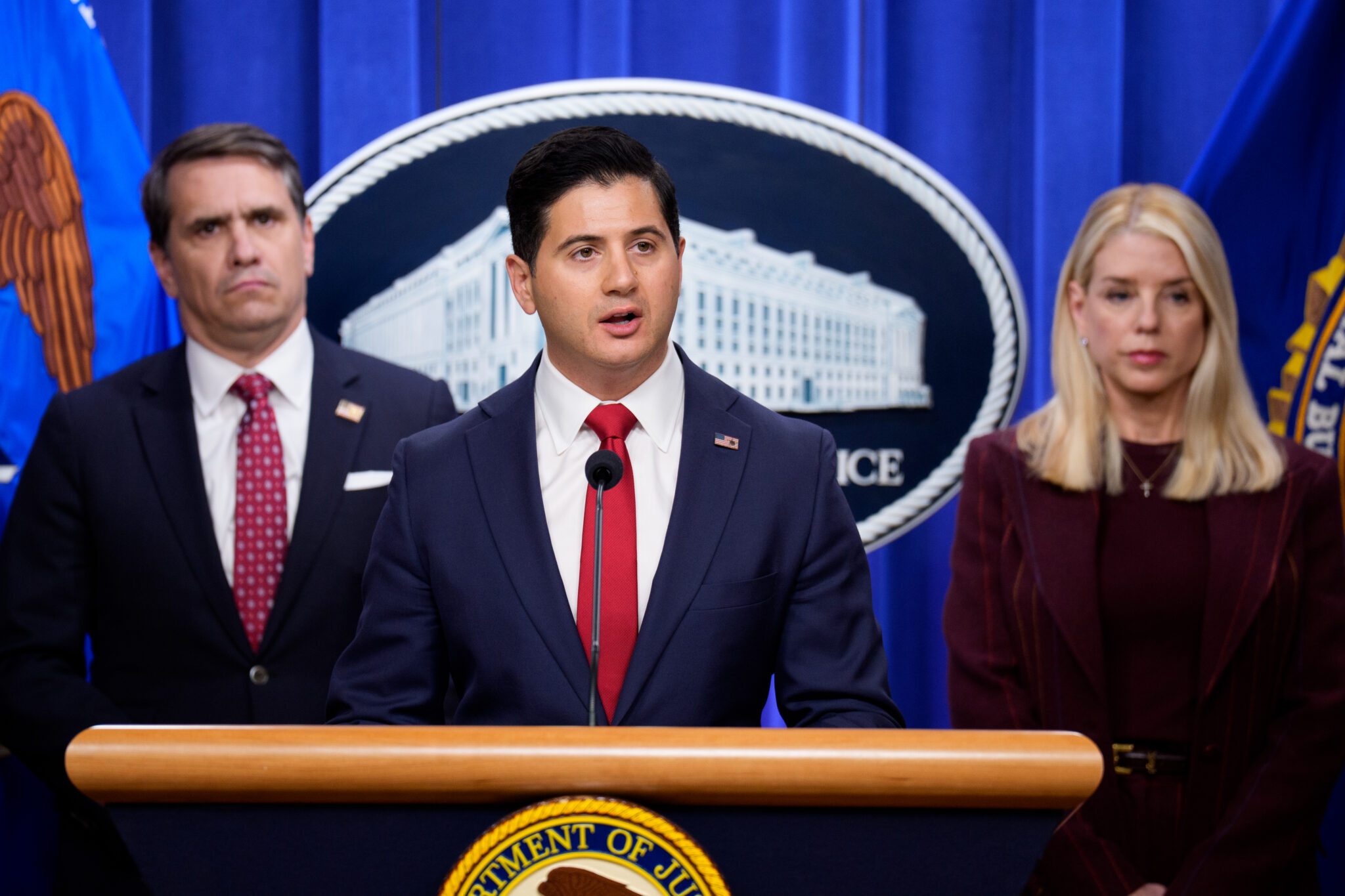
- DOJ attorney Matthew Donnelly argued that the federal criminal statute prohibiting non-citizen voting preempts California’s procedures and that the state’s handling of the ballots caused “irreparable harm.”
- Governor Gavin Newsom called the suit “an authoritarian attack on democracy.”
05
Criticism & Opposition
Legal scholars and advocacy groups have challenged the DOJ’s methodology. Stephen Richer, a Cato Institute fellow, noted that lack of citizenship confirmation in federal databases does not prove a person is not a citizen. California officials argue the list is “deeply flawed” and that the state already requires voters to attest citizenship under penalty of perjury.
06
Conflicting Reports & Gaps
- The DOJ claims the list is “credible,” yet it has not disclosed the identity of the third-party data source, and judges have repeatedly asked for clarification.
- State-level sampling suggests many listed individuals are either inactive or U.S.-born, contradicting the DOJ’s assertion of widespread non-citizen registration.
- Federal prosecutors in Washington estimate the 400-person list represents only “the tip of the iceberg,” while state officials note that the list includes at least one person who last voted in 1994, raising questions about its current relevance.
07
Verbatim Quotes
- “It seems to me you want us to issue an injunction that is entirely inconsistent with the law the California Legislature has adopted,” — Judge Mark Bennett
- “This court believes it would be wise that any threats to state and county elected employees cease immediately,” — David Carter, US district judge
08
What’s Next
Judge Carter is scheduled to issue his decision on the district-court motion after the October 27 hearing. If he grants a temporary restraining order, the case could return to the 9th Circuit for further review. Meanwhile, Washington’s Secretary of State Steve Hobbs is reviewing the DOJ’s request, with no deadline publicly set. Both states continue processing mail ballots as the November 3 election approaches.