
Full Breakdown
John Healey’s Maiden Budget: Navigating Cost-of-Living Pressures and a Shrinking Fiscal Buffer
By Drooid · · How we work
In this breakdown
01
Core Event – Budget Presentation, 28 October 2026
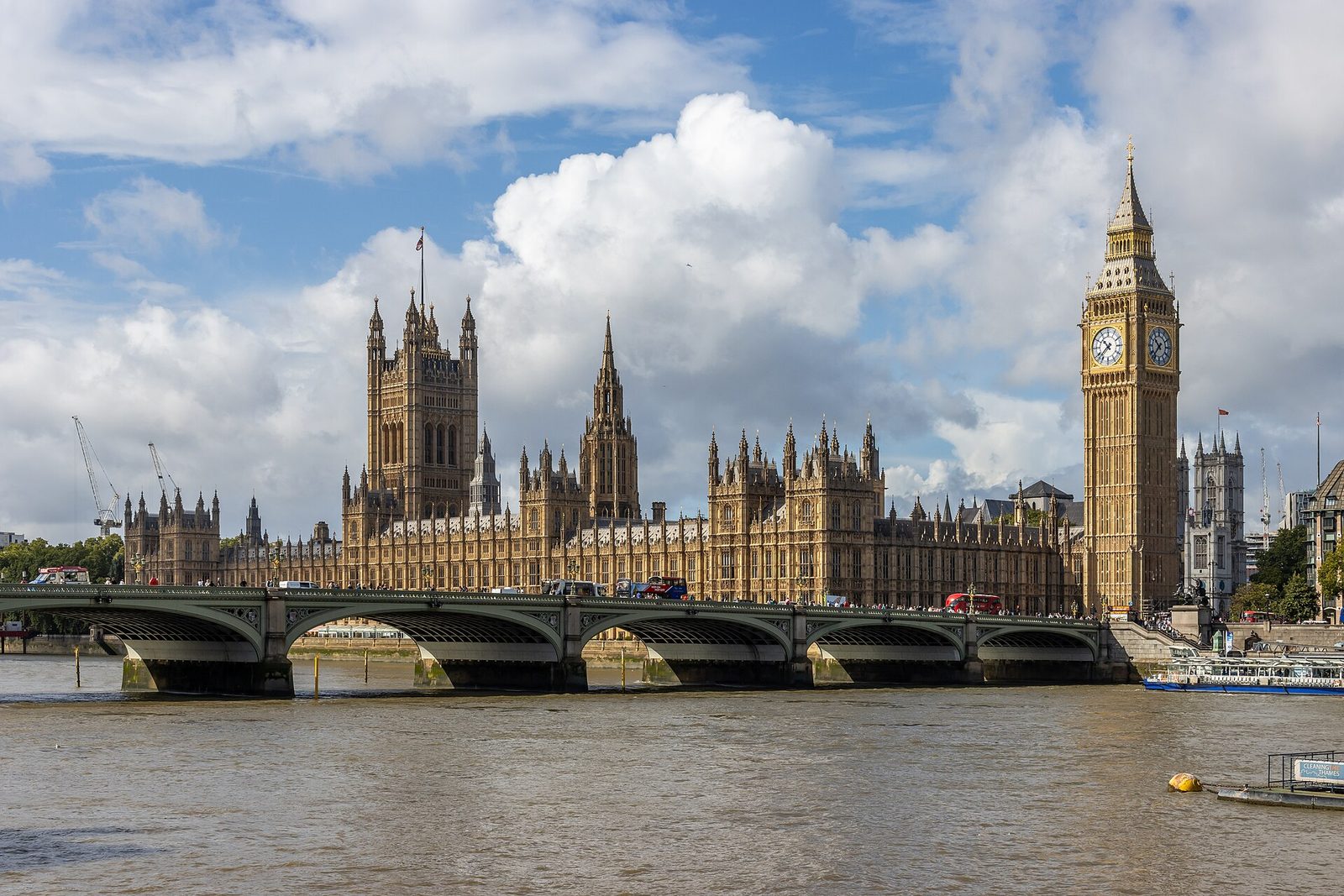
Chancellor John Healey will deliver his first Budget to the House of Commons on Wednesday, 28 October 2026. The statement comes as the UK faces inflation from an Iran-related oil shock, high energy costs and public debt that has just passed £3 trillion.
Watch
Related reporting
ex
I want to see the UK to rejoin the EU in my lifetime, Burnham says
02
Background & Context
Healey became Chancellor on 20 July 2026 after Andy Burnham took office as prime minister. He left the defence secretary role in June 2026 over a dispute on funding the 3 % of GDP defence target for 2030. The Treasury inherits a fiscal framework set by Rachel Reeves that requires day-to-day spending to be covered by tax receipts by 2029-30 and the debt-to-GDP ratio to fall that year.
Visual evidence
Images from the story


03
Data & Statistics
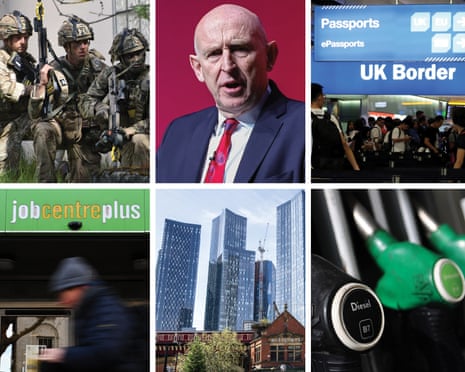
- Inflation: 3.5 % (near a one-year high) as oil prices exceed $110 per barrel.
- Debt: >£3 trillion, with about 8 % of annual spending needed for interest.
- Fiscal headroom: £12 bn (Resolution Foundation), £15 bn (ING), ?£20 bn (IFS).
- Energy-bill support: >£1 bn for Warm Home Discount expansion.
- Bank levy: Proposed rise to 8 % could raise >£2 bn a year.
- Defence gap: £4.7 bn shortfall in the current plan.
- Minimum wage: Rise of ?4 % to £13.20 per hour; similar increase for younger workers.
- Fuel duty: Planned rise on 1 January (from ~53p to ~56p per litre) is expected to be cancelled.
- Standing-charge abolition: Removal of the £108 daily gas charge projected to save ?£45 a year for 60 % of households.
04
Why It Matters / Impact
The budget aims to give households “breathing space” while preserving a fiscal buffer that bond markets view as a safeguard. Success depends on raising revenue without deterring the banking sector, which generated ?£200 bn in profits over five years, and on finding cash for defence and devolution commitments.
05
Official Statements & Responses
- Prime Minister Andy Burnham called the gas-standing-charge abolition “basic fairness” and a step toward reforming a “broken energy market.”
- The Treasury announced a £150 million boost for mayoralties and a £1.5 bn borrowing facility for regional “good-growth” projects.
- Defence Secretary Miatta Fahnbulleh pledged to protect households from unaffordable bills while the chancellor seeks additional defence funding.
06
Criticism & Opposition
- Shadow Chancellor Richard Fuller (Labour) warned that a “do-nothing” approach would leave the country “on a cliff edge” and called for tougher decisions on welfare and defence spending.
07
Conflicting Reports & Gaps
- Fiscal-headroom estimates differ widely, reflecting divergent assumptions by the Resolution Foundation, ING and the IFS.
- The fuel-duty increase is scheduled for 1 January, yet sources indicate the Chancellor intends to cancel it, leaving the outcome uncertain.
- How the £4.7 bn defence gap will be financed remains vague; the Treasury has signalled cuts to other departments but has not disclosed specific offsets.
08
What’s Next
- The Bank of England is expected to raise interest rates in the coming months, increasing debt-service costs.
- A spending review is slated for 2027, when the government must decide how to fund the defence target and any additional welfare reforms.
- Implementation of the standing-charge removal is projected for 2027.
The budget’s modest scale reflects the tight fiscal environment, and its success will be judged on whether the promised “breathing space” eases household pressure without eroding the thin fiscal cushion that underpins market confidence.