
Full Breakdown
U.S. Intelligence Publishes Clearest Image Yet of China’s Secret Reusable Spaceplane
By Drooid · · How we work
In this breakdown
01
Core Event
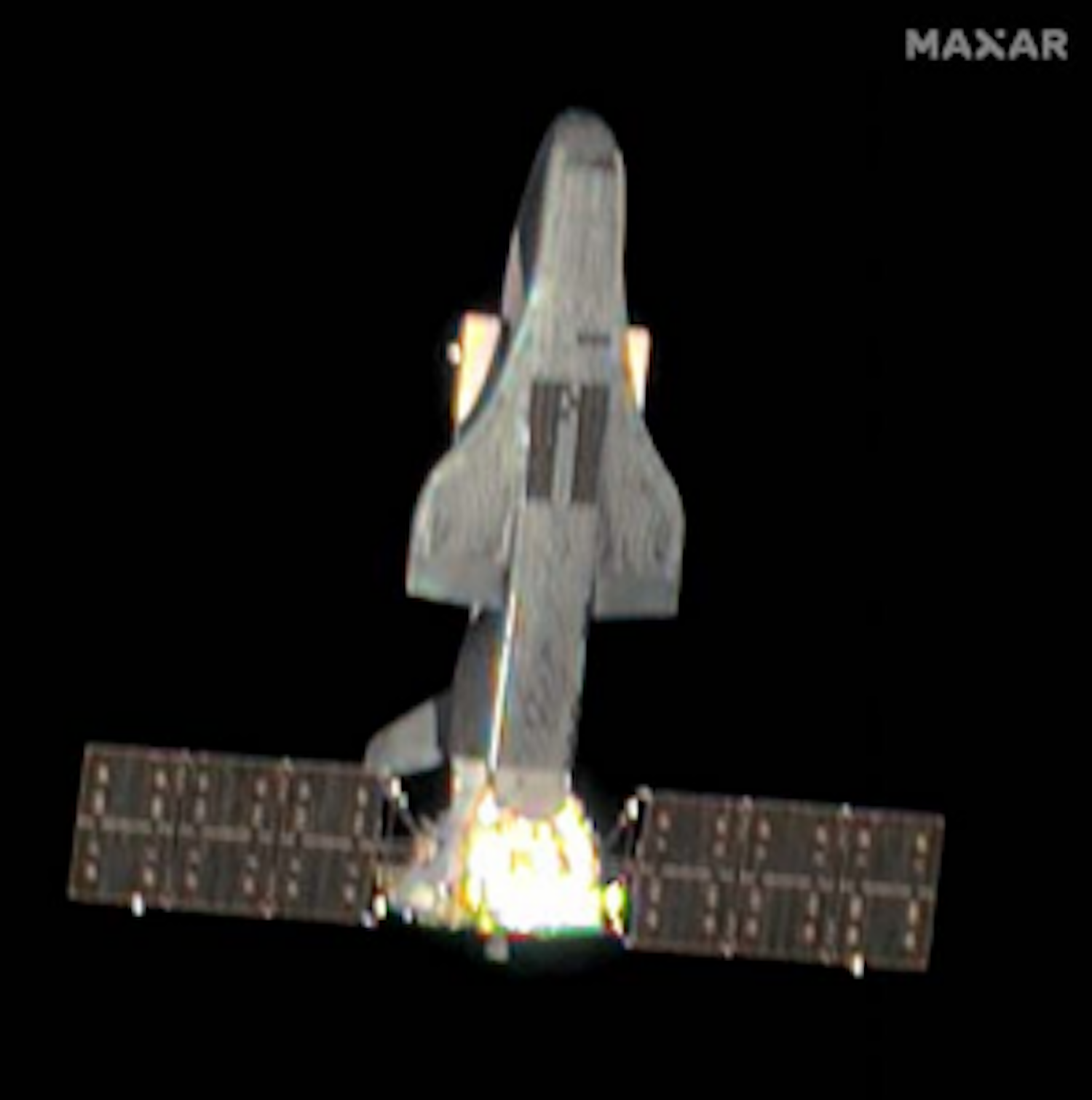
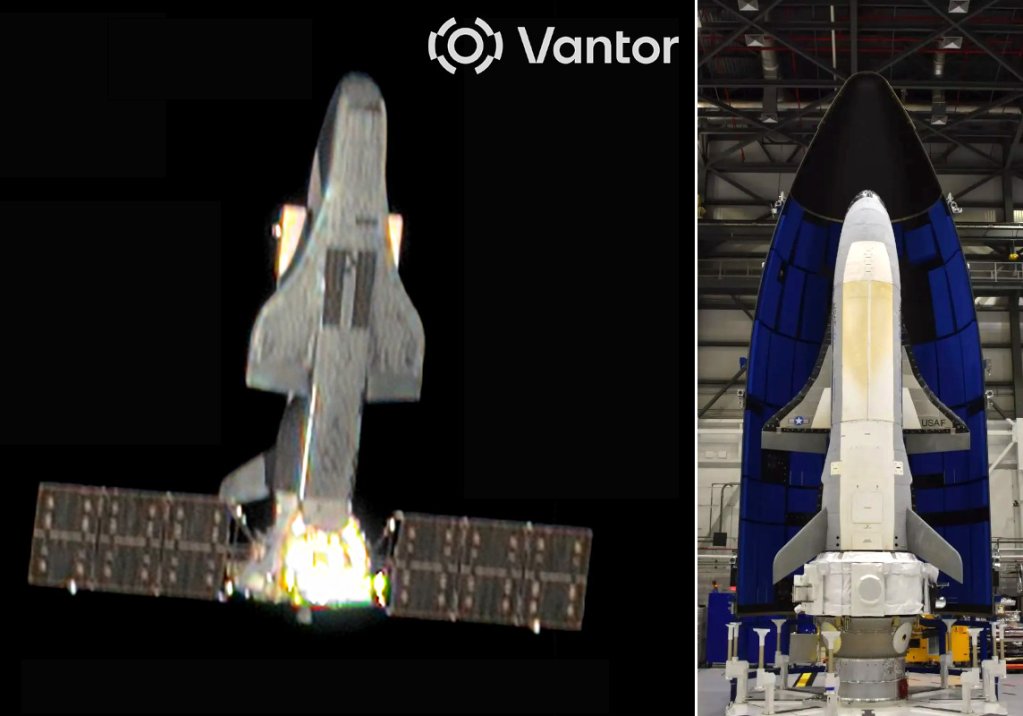
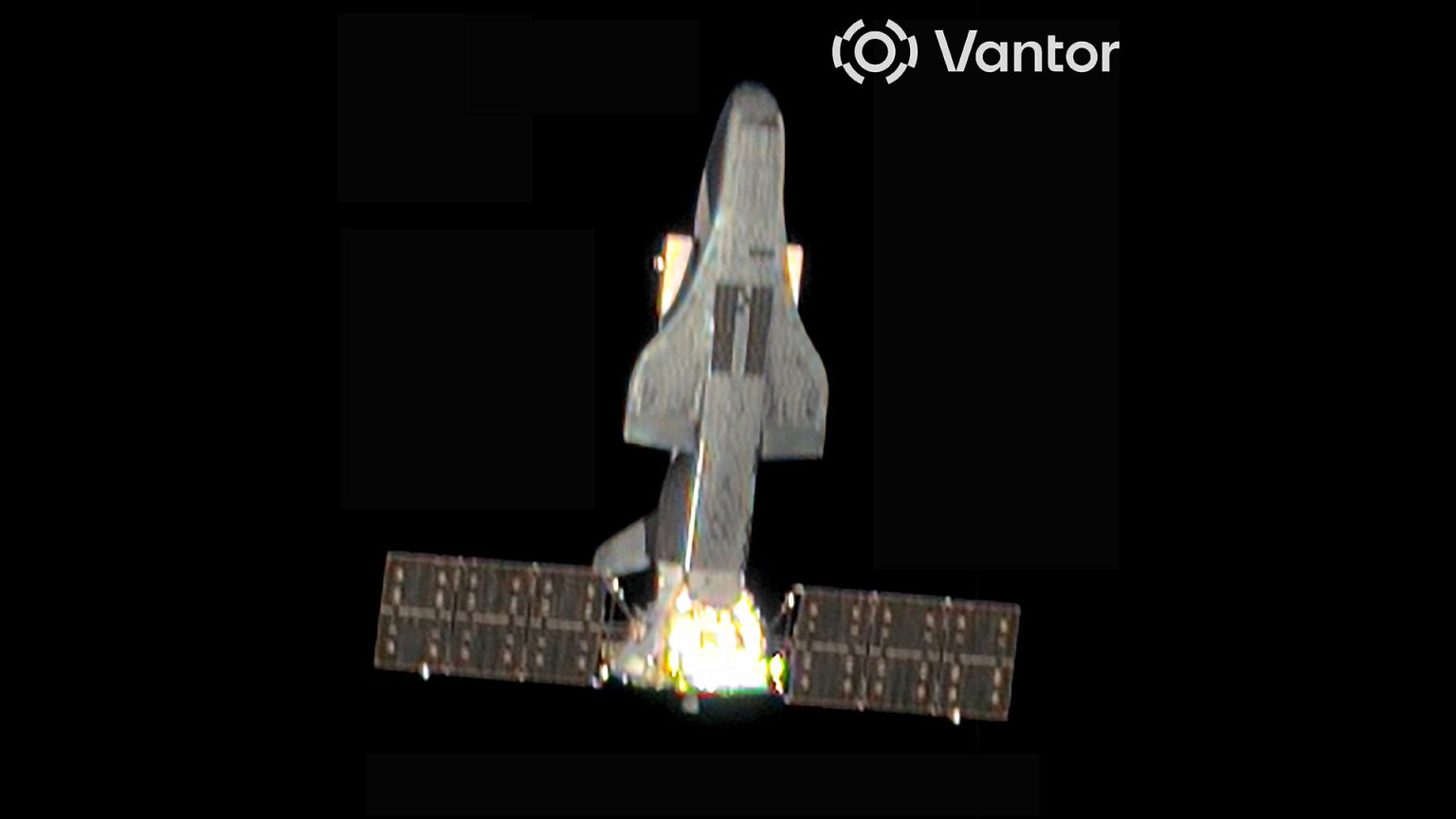
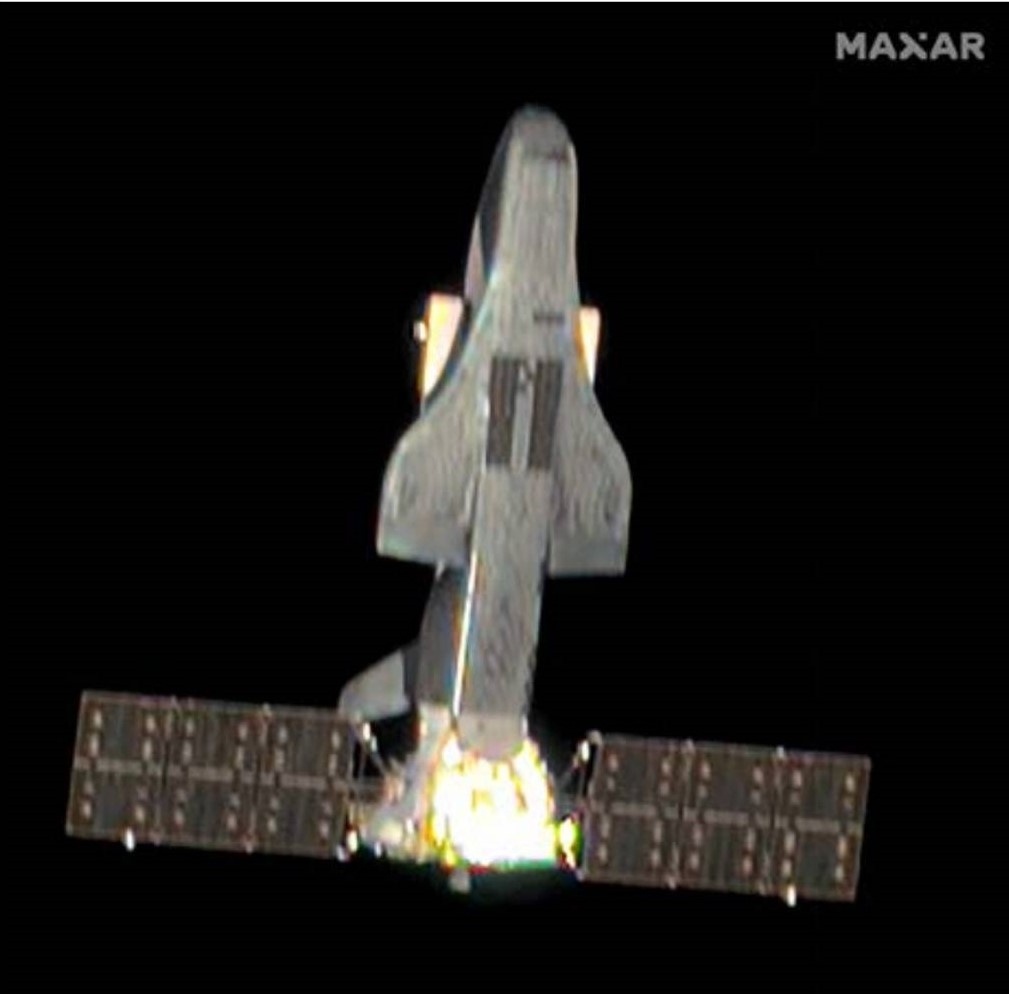
The U.S. Defense Intelligence Agency (DIA) included a high-resolution 2024 photograph of an unnamed Chinese reusable spaceplane in its October 2026 “Challenges to Security in Space” report. Captured by a Maxar (now Vantor) satellite, the image shows a winged vehicle with rear-facing solar arrays and open payload-bay doors. The DIA lists two possible models—Shenlong and Tengyun—but does not identify which appears.
02
Background & Context
China announced its experimental spaceplane program in 2020 as an uncrewed, reusable orbital platform. The effort is part of a broader push for reusable launch-vehicle technology to support military, civil and commercial goals. The United States tracks these developments alongside similar programs in Russia, Iran and North Korea.
Visual evidence
Images from the story




03
Timeline
- 2020 – First prototype launched on a Long March 2F/T; stayed in orbit two days.
- August 2022 – Second mission lasted 276 days, performing proximity operations within 100 m of a companion satellite.
- December 2023 – September 2024 – Third mission (268 days) released and interacted with an object in orbit.
- February 7 2026 – Fourth mission launched from Jiuquan; still in orbit.
- May 28 2024 – Vantor confirmed the image was taken by the WorldView-3 satellite at a range of just under 56 miles (90 km).
04
Data & Statistics
- Dimensions are comparable to the U.S. X-37B: about 8.9 m (29 ft) long with a 4.5 m (15 ft) wingspan, orbital speed ~17,426 mph.
- Four missions have been documented since 2020, ranging from two days to 276 days.
- China operates more than 510 intelligence, surveillance and reconnaissance satellites as of July 2026.
05
Conflicting Reports & Gaps
- Vehicle Identification – The DIA does not confirm whether the craft is Shenlong or Tengyun. Some analysts attribute it to Shenlong; others note the uncertainty.
- Mission Objectives – Observed proximity operations and object releases reveal little about payloads or potential military functions. No evidence of weaponized or directed-energy systems has been verified.
06
Why It Matters
The clearer visual evidence reduces speculation about China’s reusable spaceplane design and highlights growing parity between Chinese and U.S. orbital test vehicles. Reusable platforms enable repeated testing of technologies such as laser communications, quantum instruments and on-orbit servicing, which could enhance surveillance or future counter-space operations. The DIA suggests these capabilities may expand China’s ability to monitor U.S. military activities in the Indo-Pacific.
07
What’s Next
China’s fourth mission, launched on February 7 2026, remains active. The DIA report gives no landing date or schedule for future flights, leaving the timeline uncertain. U.S. intelligence and commercial trackers will continue monitoring the vehicle as it completes its current orbital segment.