
Full Breakdown
IAEA Finds No Evidence Iran Is Rebuilding Nuclear Facilities After U.S. and Israeli Strikes
By Drooid · · How we work
In this breakdown
01
Core Event
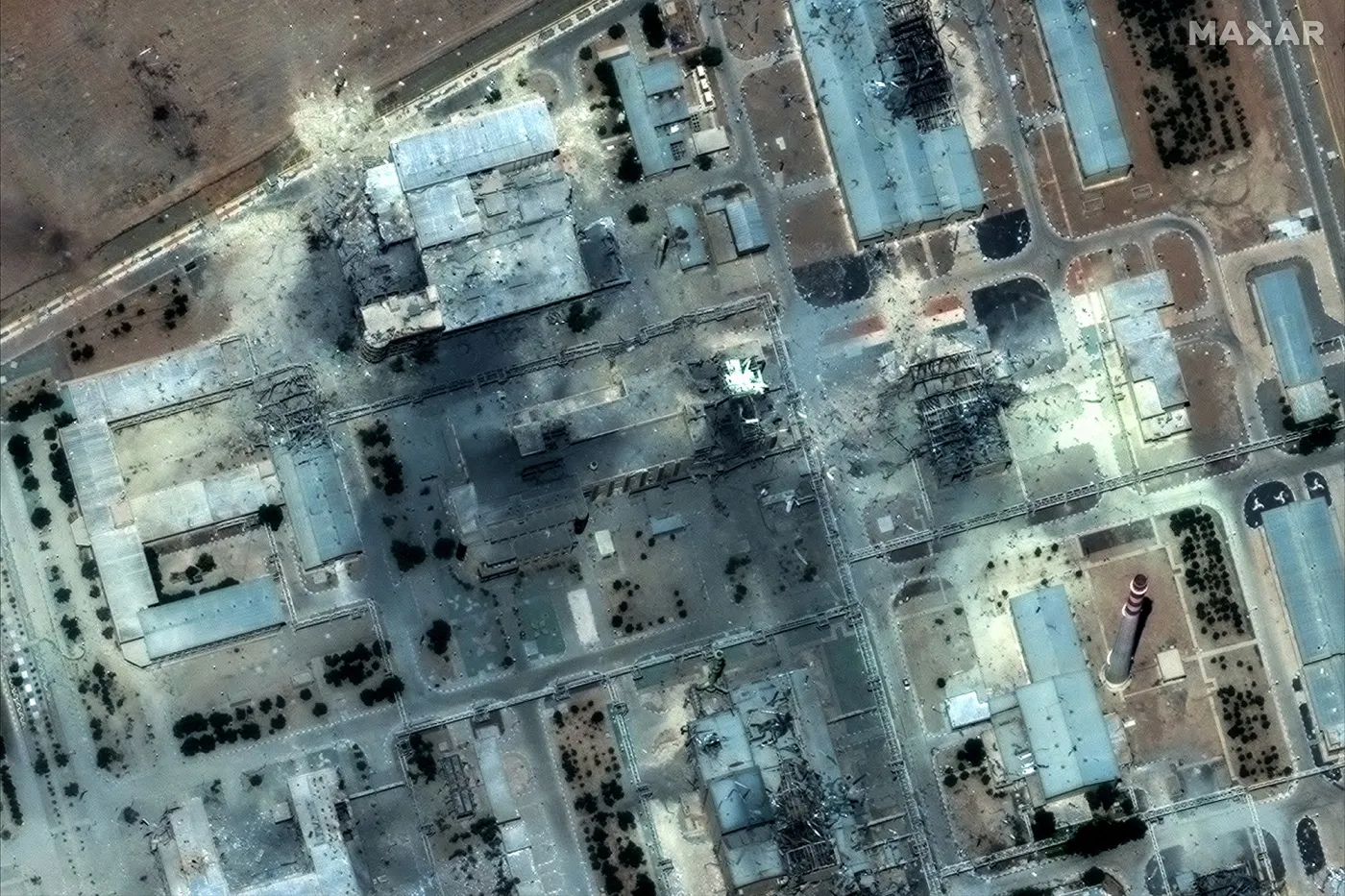
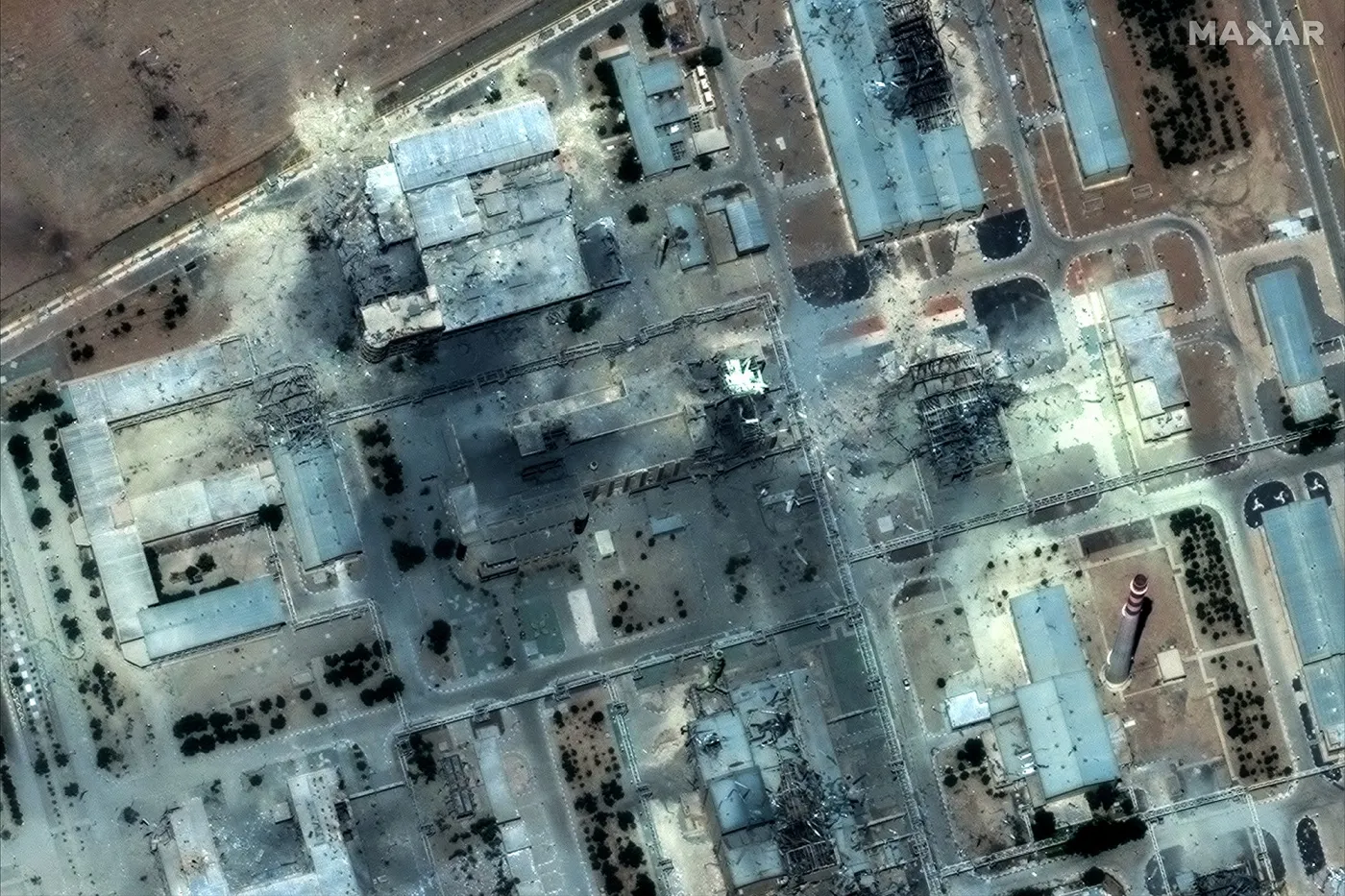
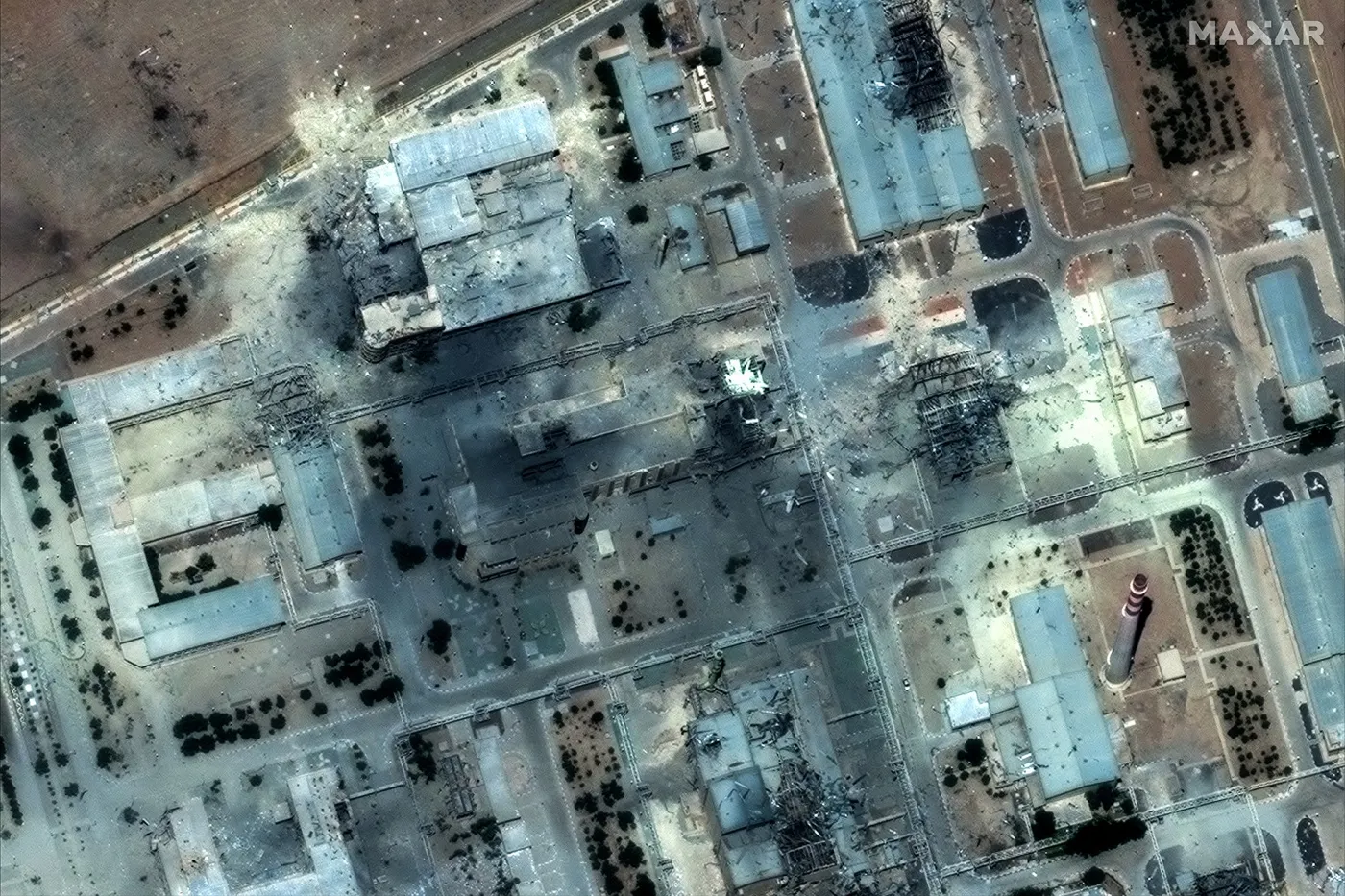
The International Atomic Energy Agency (IAEA) reported that it has not detected any activity to repair or reconstruct Iran’s nuclear facilities that were damaged in U.S. and Israeli military strikes in June 2025 and again in 2026. Director General Rafael Mariano Grossi told the UN Security Council that, since June 2025, no rebuilding efforts have been observed at the targeted sites.
02
Background & Context
The strikes, carried out jointly by the United States and Israel, aimed at Iran’s uranium enrichment infrastructure and were described by the Trump administration as necessary to halt a perceived nuclear weapons program. Former U.S. Director of National Intelligence Tulsi Gabbard testified earlier this year that the attacks had “obliterated” Iran’s enrichment capability and that no attempts to restore it had been made.
Visual evidence
Images from the story
03
Official Statements & Responses
- IAEA: Grossi emphasized that inspectors still lack access to most of Iran’s atomic sites, preventing verification of the status of the previously declared 440 kilograms (970 pounds) of uranium enriched up to 60 percent. He called on Tehran to allow renewed inspections.
- U.S. Administration: The White House reiterated President Donald Trump’s claim that the United States had “crushed” Iran’s nuclear facilities, a narrative used to justify consideration of further strikes after the midterm elections.
- Secretary of State Marco Rubio: Rubio offered additional rationale, suggesting the U.S. acted pre-emptively before an Israeli strike that could have provoked retaliation, and noted Iran’s development of ballistic-missile and drone capabilities as a conventional shield for its nuclear program.
04
Data & Statistics
05
Why It Matters
The IAEA’s assessment challenges the administration’s justification for a renewed military posture toward Iran, undermining claims that Iran is actively rebuilding its nuclear capacity. Continued denial of inspector access limits the agency’s ability to confirm the absence of material diversion, leaving open questions about the true state of Iran’s nuclear program and influencing future U.S. policy decisions.