
Full Breakdown
Algeria Approves First Overseas Troop Deployment Since 1973 to Protect Niger Oil Assets
By Drooid · · How we work
In this breakdown
01
Algeria’s Parliamentary Approval for Niger Deployment
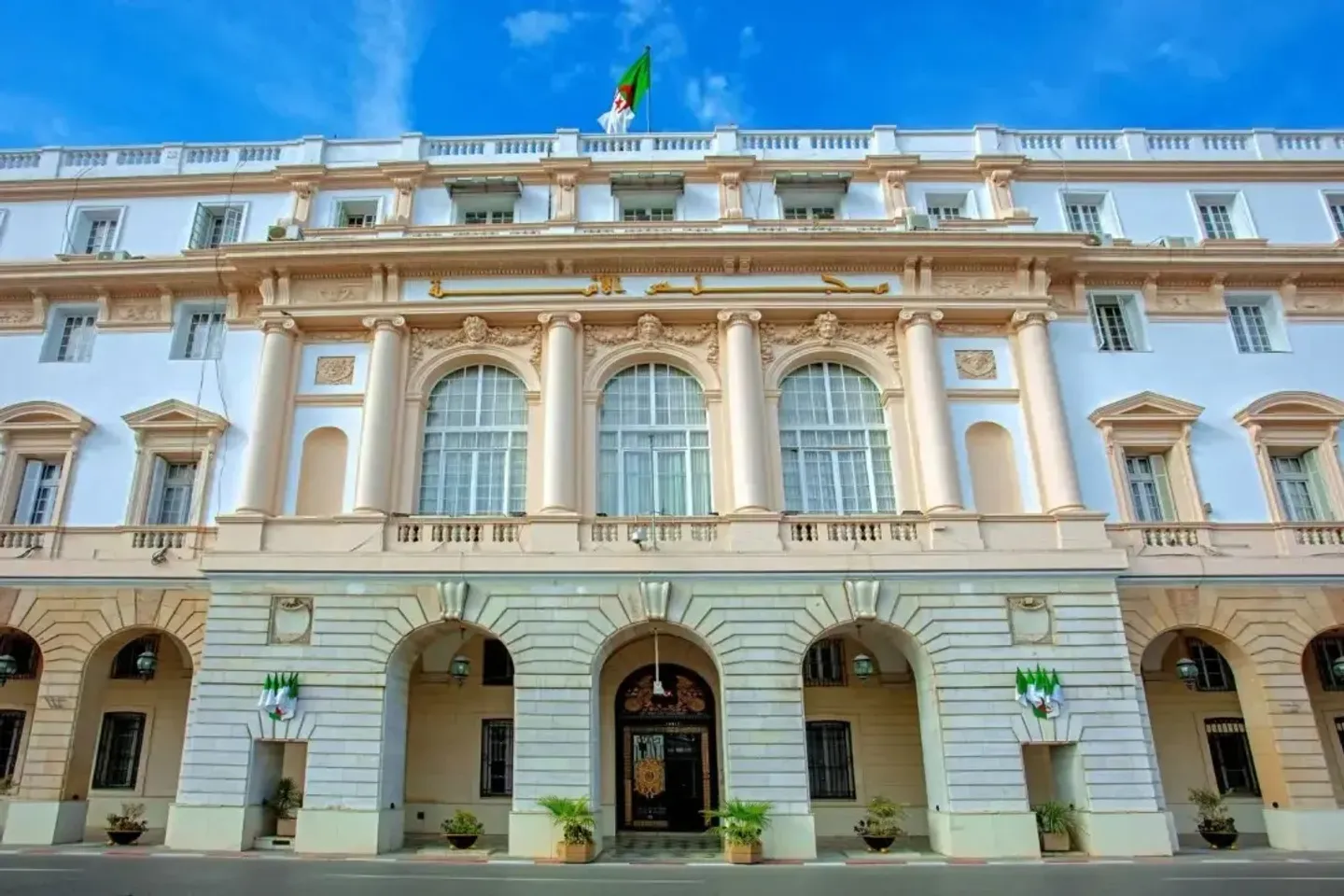
Algerian lawmakers voted in an emergency session on Sunday to authorize the deployment of People's National Army units to Niger. The upper house recorded 148 votes in favour out of 174 senators; the lower house later gave a similar “absolute majority” approval. Under Article 91 of the 2020 constitutional amendment, a two-thirds majority in each chamber is required for any overseas deployment. The resolution marks Algeria’s first foreign military operation since sending troops to support Egypt during the 1973 Arab-Israeli war. Details on the size of the force, timing or deployment locations have not been disclosed.
Watch
Related reporting
brightcove
Algeria’s president orders troop deployment to neighbouring Niger
02
Background: Algeria-Niger Relations and Regional Security
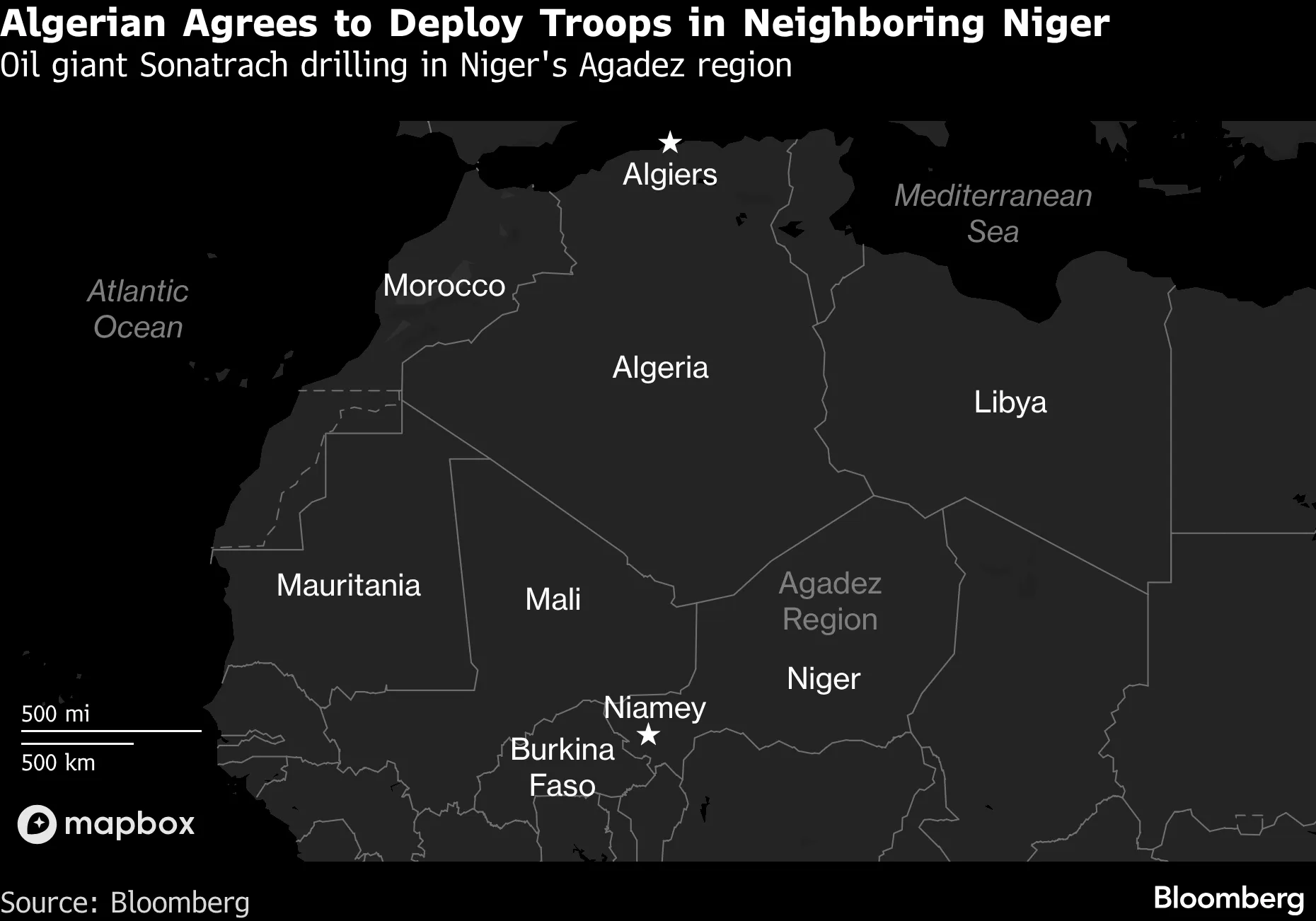
Relations between Algiers and Niamey have oscillated since Algeria condemned the 2023 coup that installed General Abdourahamane Tiani. Diplomatic tensions peaked in 2025 after Algeria shot down a Malian drone, prompting Niger, Mali and Burkina Faso to recall their ambassadors. A thaw began in early 2026: President Abdelmadjid Tebboune hosted General Tiani in February, and Niger’s defence minister, General Salifou Mody, visited Algiers in October, signing a military-cooperation protocol. The Sahel remains plagued by jihadist groups linked to al-Qaeda and the Islamic State, and all three neighbouring states are ruled by military juntas.
Visual evidence
Images from the story




03
Economic Stakes: Oil, Gas and the Trans-Saharan Pipeline
Algeria’s state-owned energy giant Sonatrach is drilling the Kafra oil block in northern Niger, roughly 85 km from the Algerian border. Two exploration wells are estimated to contain 168 million and 100 million barrels of oil. Sonatrach’s subsidiary SIPEX manages these projects.
The deployment also safeguards the Trans-Saharan Gas Pipeline (TSGP), a planned conduit to move Nigerian natural gas through Niger to Algeria for export to Europe. One source describes the pipeline as a 2,000-kilometre line to a Benin port; another cites a length of more than 4,000 kilometres. Construction of the Algerian segment began in June 2026, and a 40-megawatt power plant was inaugurated to supply electricity to Niamey and surrounding areas.
04
Official Statements & Responses
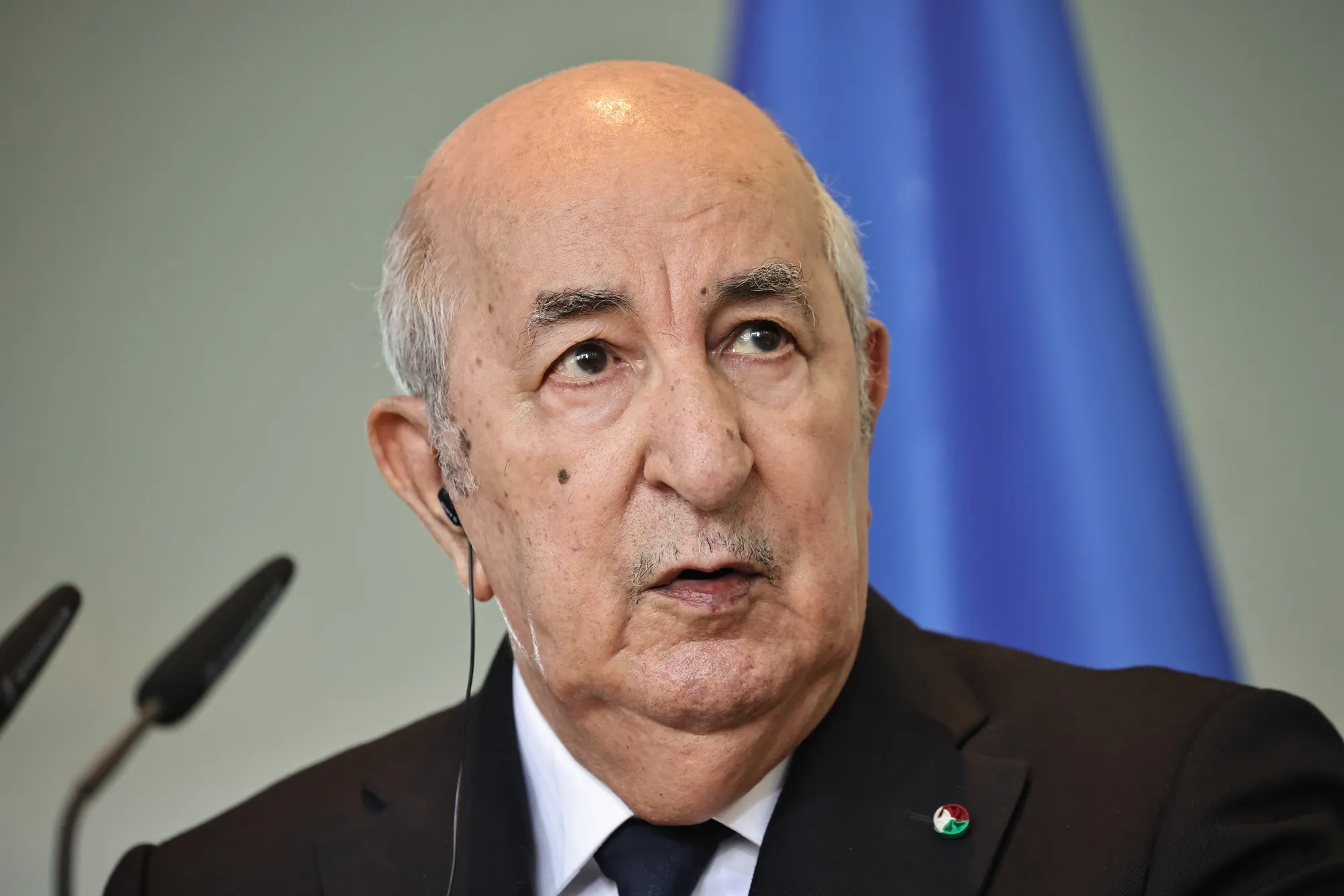
President Abdelmadjid Tebboune signalled Algeria’s willingness to defend Niger, stating on 3 October that the country was ready to protect its neighbour “whatever it takes.” The Algerian presidency later announced that Niger had formally requested military assistance to secure shared energy interests.
Niger’s leadership echoed the request, with a senior official declaring, “We will protect Niger whatever it takes.”
05
Conflicting Reports & Gaps
- Pipeline length: Bloomberg reports a 2,000-kilometre pipeline to Benin, while Euronews describes the TSGP as exceeding 4,000 kilometres.
- Oil reserve estimates: Reuters-cited well figures total 268 million barrels, whereas Anadolu Agency data quoted by Euronews suggest resources above 2.5 billion barrels.
- Troop details: No source provides the number of soldiers, exact deployment sites, or a start date for the mission.
These discrepancies highlight the limited public information on the operational scope and infrastructure dimensions.
06
Verbatim Quotes
- “We will protect Niger whatever it takes,” — Niger official
- “There are countries, which I will not name, that have conspired against (Niger). We stand by its side.” — Algerian spokesperson
07
Why It Matters
The deployment signals a shift in Algeria’s traditionally non-interventionist defence posture, aligning military presence with economic imperatives in a volatile Sahel. By securing Sonatrach’s oil assets and the trans-national gas corridor, Algeria aims to protect revenue streams while projecting stability amid the withdrawal of Western forces and the growing influence of Russian private military contractors in the region. The move also underscores Algeria’s intent to counter perceived external threats to its strategic projects, as articulated by President Tebboune’s October 3 address.