
Full Breakdown
Federal Judge Rules Bill Essayli Unlawfully Serving as Southern California U.S. Attorney
By Drooid · · How we work
In this breakdown
01
Core Event: Disqualification of the Top Federal Prosecutor
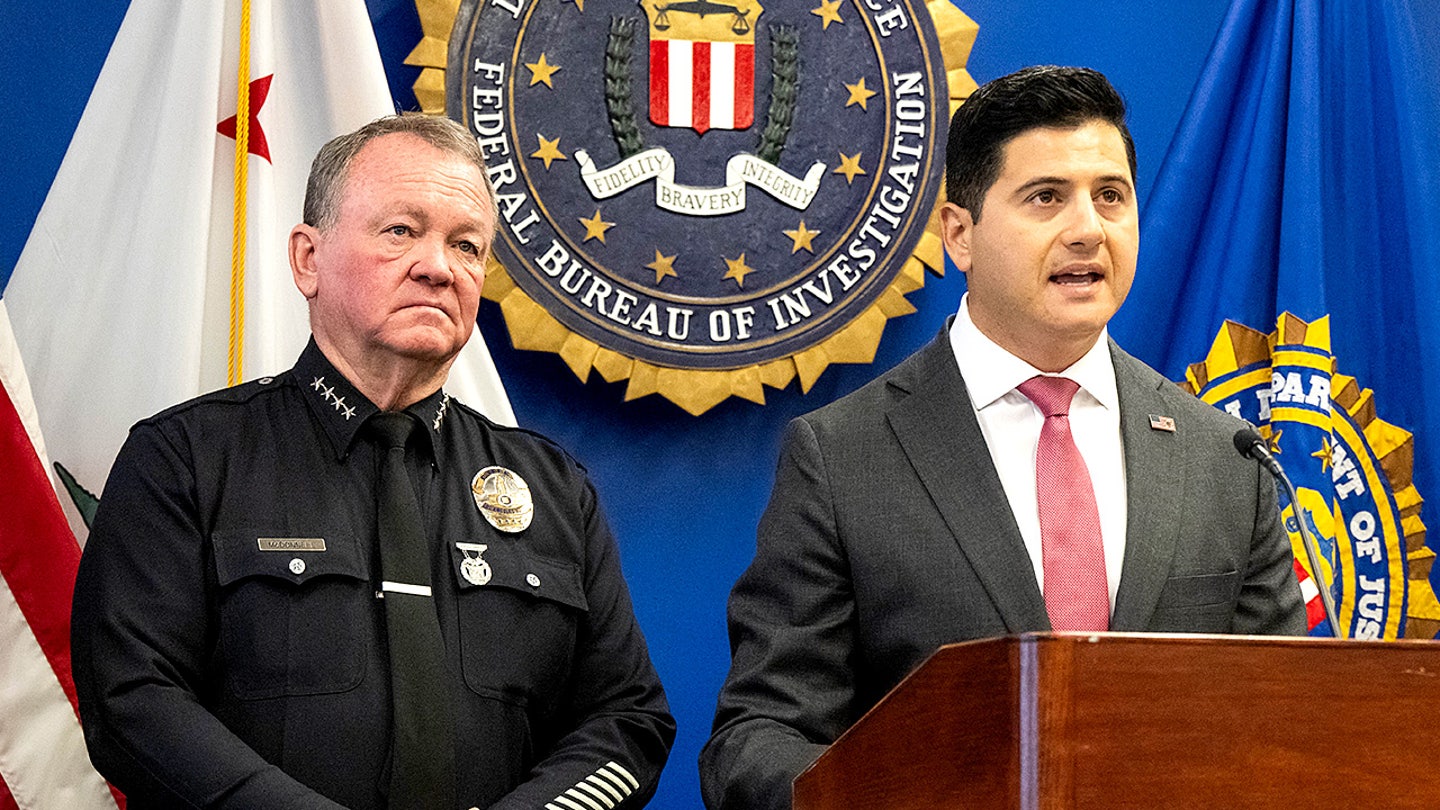
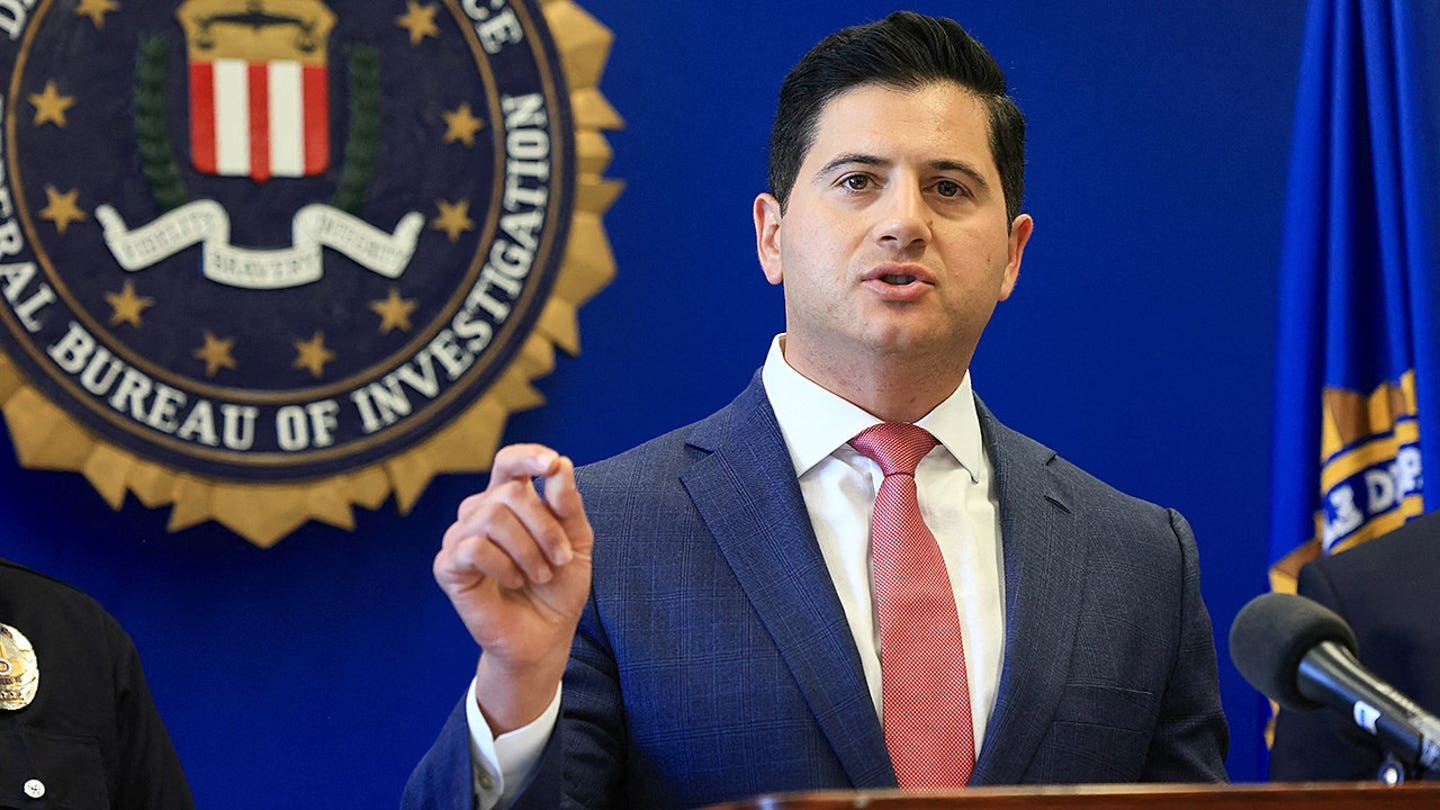
A federal district judge has ordered that Bill Essayli, the acting head of the U.S. Attorney’s Office for the Central District of California, is “unlawfully serving” as a de facto U.S. attorney and is therefore disqualified from supervising two ongoing criminal prosecutions. The order is stayed pending a pending Department of Justice (DOJ) motion for a stay and an anticipated appeal.
02
Background & Context
Essayli, a former Republican state legislator, was first appointed as interim U.S. attorney in April 2025 under the Trump administration. Because he was never formally nominated by the president nor confirmed by the Senate, his appointment exceeded the 120-day limit set by federal law for interim service. After the interim period expired, Attorney General Pam Bondi designated him a “special attorney” and later a “first assistant” U.S. attorney, allowing him to continue overseeing cases. A similar appointment in Nevada was struck down by the Ninth Circuit in the summer of 2025, prompting Judge Michael Seabright to revisit Essayli’s status.
Visual evidence
Images from the story
03
Data & Statistics
- The DOJ’s recent election-integrity effort alleges that up to 20,000 registered voters in California may be non-citizens, a claim the state has vigorously contested.
- Essayli has pursued a series of prosecutions aligned with the administration’s immigration and “MAGA” agenda, including aggressive deportation actions and cases against protestors, though specific case counts are not disclosed in the sources.
04
Official Statements & Responses
- He added that he looks forward to serving in his current role until that resolution.
- U.S. Attorney General Todd Blanche issued a revised designation in an attempt to narrow Essayli’s authority, but the judge found the changes “identical” to the prior, improper appointment.
- California election officials have publicly opposed the DOJ’s request to set aside the ballots of the alleged non-citizen voters, describing the effort as “unfounded” and “politically motivated.”
05
Criticism & Opposition
Legal observers and state officials have criticized the administration’s strategy of extending acting appointments beyond statutory limits. A judge in New Jersey previously disqualified acting U.S. attorney Alina Habba, and similar rulings have targeted interim prosecutors in New York and Nevada, underscoring a broader pattern of contested appointments. Critics argue that these maneuvers undermine the Senate’s constitutional role in confirming federal prosecutors.
06
Verbatim Quotes
- “In sum, Essayli is unlawfully serving as a 'de facto' United States Attorney,” — Michael Seabright, district judge
07
What’s Next
The DOJ has filed a motion for a stay of the disqualification order and indicated it will appeal the ruling. Both the stay request and the appeal are pending, and the case is expected to proceed through the appellate courts, with the possibility of a Supreme Court review as indicated by Essayli. The outcome will determine whether the administration can continue to rely on special-appointment mechanisms for senior federal prosecutors.