
Full Breakdown
Retatrutide Shows Promise for Weight Loss and Sleep Apnea in Late-Stage Trials
By Drooid · · How we work
In this breakdown
01
Core Findings on Obesity and Obstructive Sleep Apnea
In two phase-3, 80-week trials that enrolled 691 adults with moderate-to-severe obstructive sleep apnea (OSA) and a BMI >= 27 kg/m², once-weekly injections of Eli Lilly’s investigational drug retatrutide produced marked improvements in weight and breathing-related sleep metrics. Participants received 4 mg, 9 mg, or 12 mg doses; all retatrutide groups lost 12 %–20 % of body weight, compared with minimal change in the placebo arm.
The apnea-hypopnea index (AHI) fell significantly more than with placebo. In participants without type 2 diabetes, the hypoxic burden declined by roughly 75 %; among those with diabetes the reduction was about 65 %. Overall, 68 % of participants experienced more than a 50 % improvement in OSA symptoms, and the condition resolved in roughly 25 % of non-diabetic subjects and 15 % of those with diabetes.
A head-to-head phase-3 trial (TRANSCEND-T2D-2) comparing retatrutide with Ozempic (2 mg) in 1,298 adults with type 2 diabetes reported an average weight loss of 44.3 lb (19.5 %) at the 9 mg dose and 47.4 lb (20.9 %) at the 12 mg dose, versus 20.9 lb (9.4 %) for Ozempic. A1C fell by 2.2 % with retatrutide compared with 1.8 % for Ozempic.
02
Background on Retatrutide Development
Retatrutide is a once-weekly triple-hormone receptor agonist that activates GIP, GLP-1, and glucagon receptors. It is being evaluated in the TRIUMPH series of phase-3 trials for obesity, type 2 diabetes, knee osteoarthritis, chronic low-back pain, cardiovascular outcomes, and metabolic-dysfunction-associated steatotic liver disease. The drug has not yet received FDA approval; Eli Lilly plans to submit a marketing application in early 2027.
Visual evidence
Images from the story
03
Official Statements & Responses
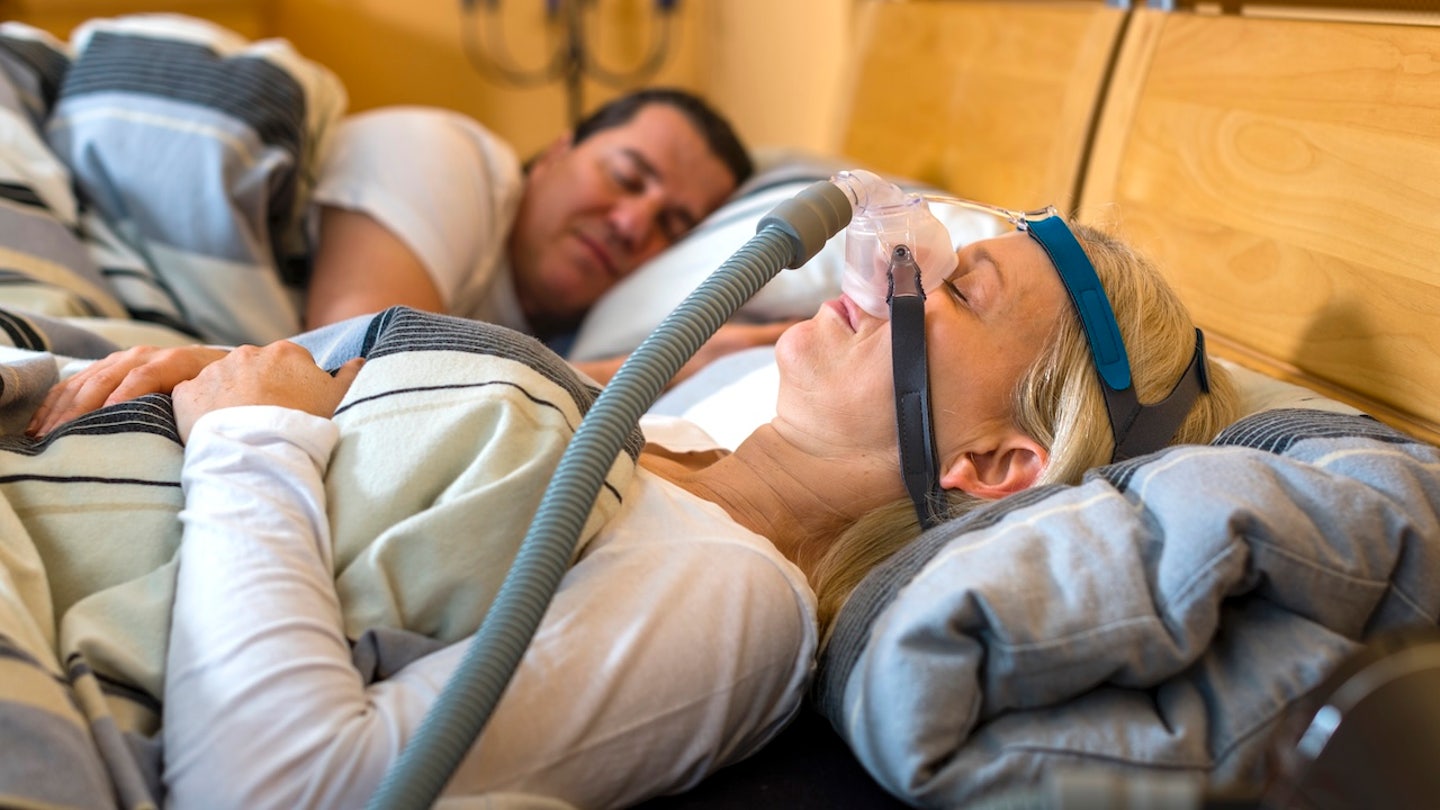
- Virend Somers, cardiologist and professor at the Mayo Clinic, called the benefit “surprising” and noted concurrent reductions in systolic blood pressure, LDL cholesterol, systemic inflammation, and neck circumference. He observed that CPAP use declined during the study, suggesting weight loss may lessen reliance on device-based therapy.
- Dr. Wendy Troxel, senior behavioral scientist at RAND, emphasized that OSA remains under-diagnosed, especially among postmenopausal women, and expressed hope that new pharmacologic options could broaden screening and treatment uptake.
04
Implications for Patients and Clinicians
The combined weight-loss and OSA improvements suggest retatrutide could become a dual-benefit therapy for individuals with obesity-related sleep apnea. Reduced reliance on CPAP may improve adherence and quality of life, while observed cardiovascular risk-factor reductions could lower long-term heart-disease risk. Researchers caution that patients should not discontinue existing CPAP or mandibular therapies until safety and durability are confirmed in longer-term studies.
05
What’s Next
- Eli Lilly intends to file an FDA marketing application in early 2027.
- An extension phase of the OSA trial will follow ~650 participants for an additional 24 weeks to assess durability of sleep-related benefits.
- Detailed results from the TRANSCEND-T2D-2 trial are slated for presentation at a future medical meeting and subsequent peer-reviewed publication.
The emerging data position retatrutide as a potentially transformative option for obesity, type 2 diabetes, and OSA, pending regulatory approval and further safety evaluation.