
Full Breakdown
Andy Burnburn’s First 100 Days: Policy Wins, Brexit Re-opening and Political Momentum
By Drooid · · How we work
In this breakdown
01
Core Event – Milestone and Immediate Policy Actions
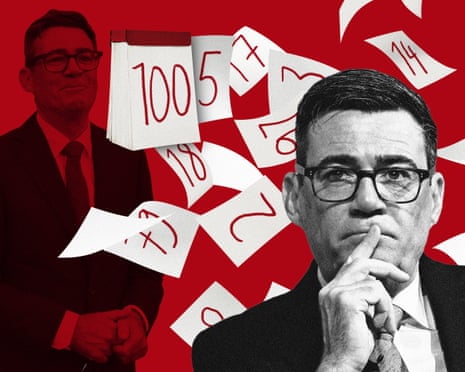
- On 27 October Burnburn marked his hundredth day as Prime Minister. He announced “everyday fixes”: removal of VAT on domestic electricity bills (effective 1 October) saving £45 per typical household, a £2 cap on bus fares outside London from January, and new rules to make subscription cancellations easier. The bus-fare measure is partly funded by converting international climate-finance grants into loans.
Watch
Related reporting
ex
I want to see the UK to rejoin the EU in my lifetime, Burnham says
02
Background & Context – From By-Election to Premiership
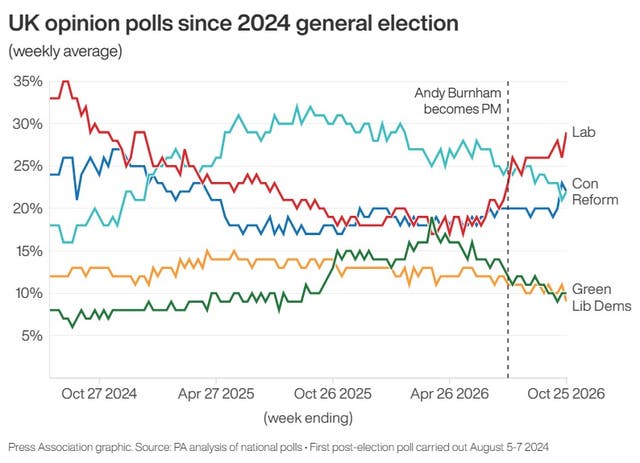
- Burnburn became prime minister after winning the Makerfield by-election on 20 July, succeeding Keir Starmer. Labour’s poll standing rose from 21 % (week ending 19 July) to 29 % (week ending 25 October). The government faces a £3 trillion national debt and a welfare bill of £330 billion a year, projected to exceed £400 billion within five years.
Visual evidence
Images from the story
03
Data & Statistics – Numbers Shaping the Agenda
- Rough-sleeping programme: £874 million total allocation.
- VAT removal on electricity: £45 annual saving per household, funded only until March.
- Bus-fare cap: £2 per ride; Jackdaw North Sea gasfield projected at 27 new direct jobs and 273 existing positions safeguarded.
- Small-boats arrivals: over 200,000 migrants since 1 January 2018; arrivals fell 41 % in the first half of 2026.
04
Official Statements & Responses – Government Position
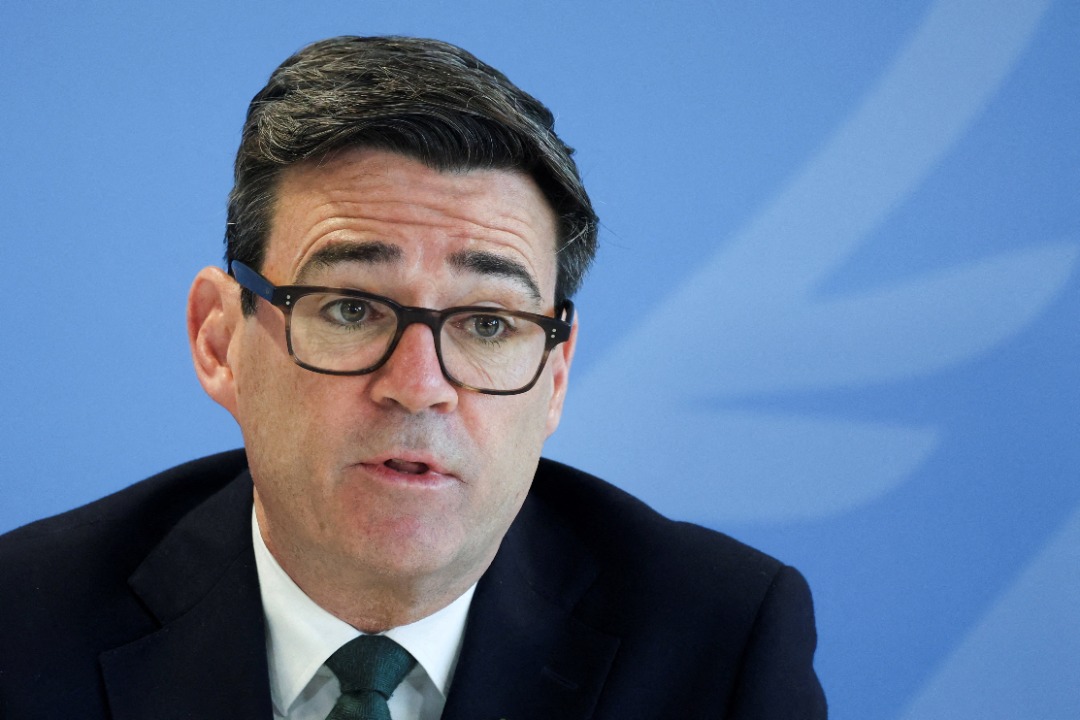
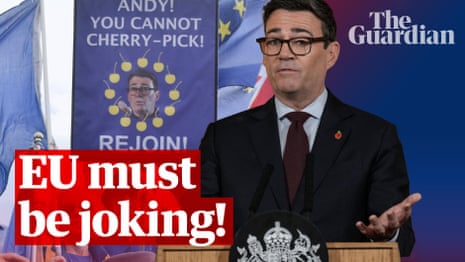
- Burnburn said the upcoming budget will give “breathing space” to households and warned the current Brexit deal is “not good enough” for Britain. He pledged not to move ahead of the public on any EU-related change and to keep Labour’s manifesto red lines.
- Chancellor John Healey, delivering the first budget on day 101, will focus on meeting NATO defence-spending targets and addressing the welfare bill.
- Home Secretary Shabana Mahmood defended a proposal requiring some migrant workers to wait 15 years for permanent residence.
05
Criticism & Opposition – Named Dissent
- Development charities criticised the loan-based financing of the bus-fare cap, saying it undermines overseas climate assistance.
- Energy Secretary Miatta Fahnbulleh initially declined to endorse the 15-year settlement proposal before clarifying support for the broader approach.
- Reform UK leader Nigel Farage argued Burnburn “has no mandate” to renegotiate Brexit, warning against reopening the debate.
06
Conflicting Reports & Gaps – Effectiveness of Early Measures
- Analysts contest the £45 household saving estimate, noting many low-income households rely more on gas, limiting impact.
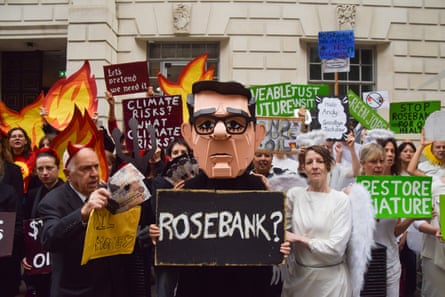
- Environmental groups say the modest job creation from the Jackdaw gasfield (27 new jobs) is insufficient to justify further fossil-fuel production.
07
Verbatim Quotes
- “I am not going to say at the moment that the deal we’ve got is good enough for Britain. I don’t think it is good enough.” — Andy Burnburn, prime minister
- “The biggest challenge is actually not in Brussels,” — David Henig, trade expert, European Centre for International Political Economy
08
Timeline
- 20 July 2026 – Burnburn becomes prime minister after Makerfield by-election.
- 1 October 2026 – VAT removal on domestic electricity takes effect.
- 27 October 2026 – Burnburn’s 100-day milestone.
- 20 November 2026 – Scheduled UK-EU summit to discuss closer ties.
09
What’s Next – Upcoming Decisions
- The budget on day 101 will set the fiscal framework for defence spending, welfare reform and the state-pension “triple lock”.
- The UK-EU summit on 20 November will explore a food-and-drink trade agreement, energy cooperation and possible pathways toward freer movement, though Downing Street says no formal process has been set for a referendum on EU membership.