
Full Breakdown
Real Madrid Issues Apology After Mbappé Meme Sparks Chinese Backlash
By Drooid · · How we work
In this breakdown
01
Incident and Immediate Fallout
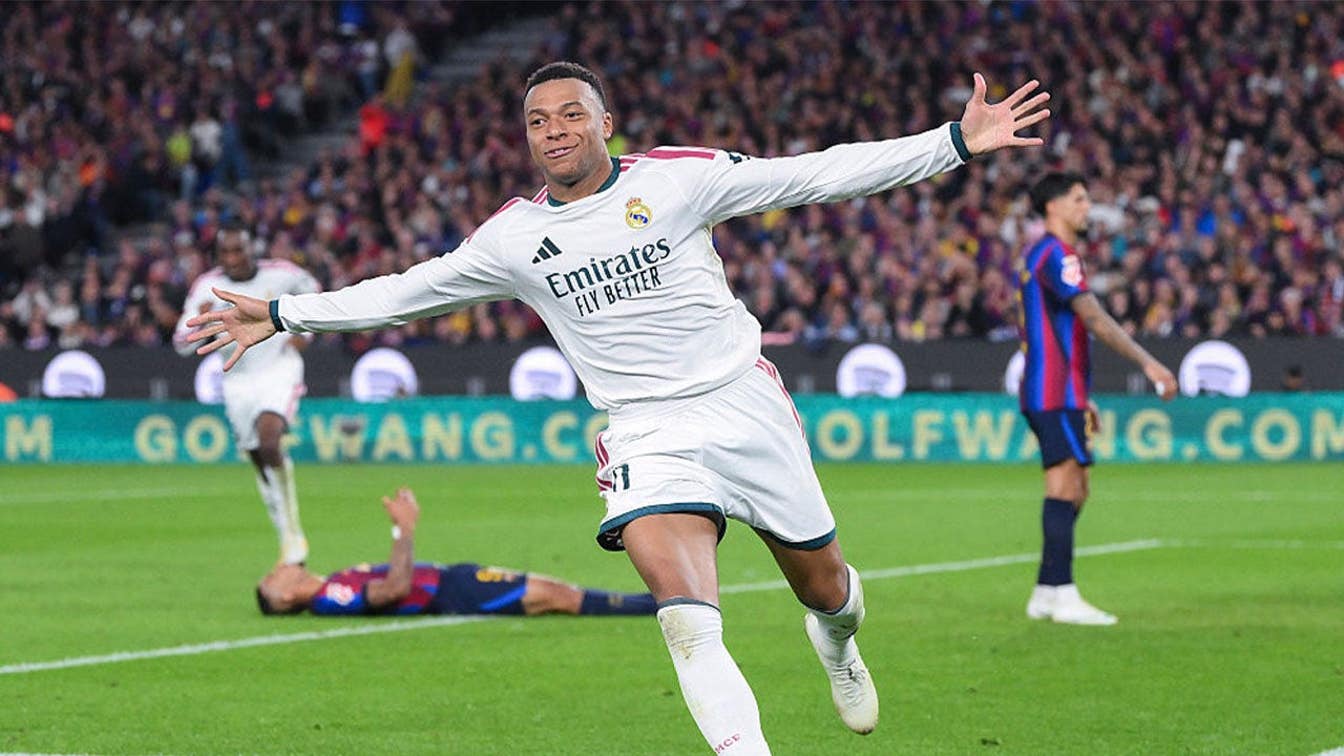
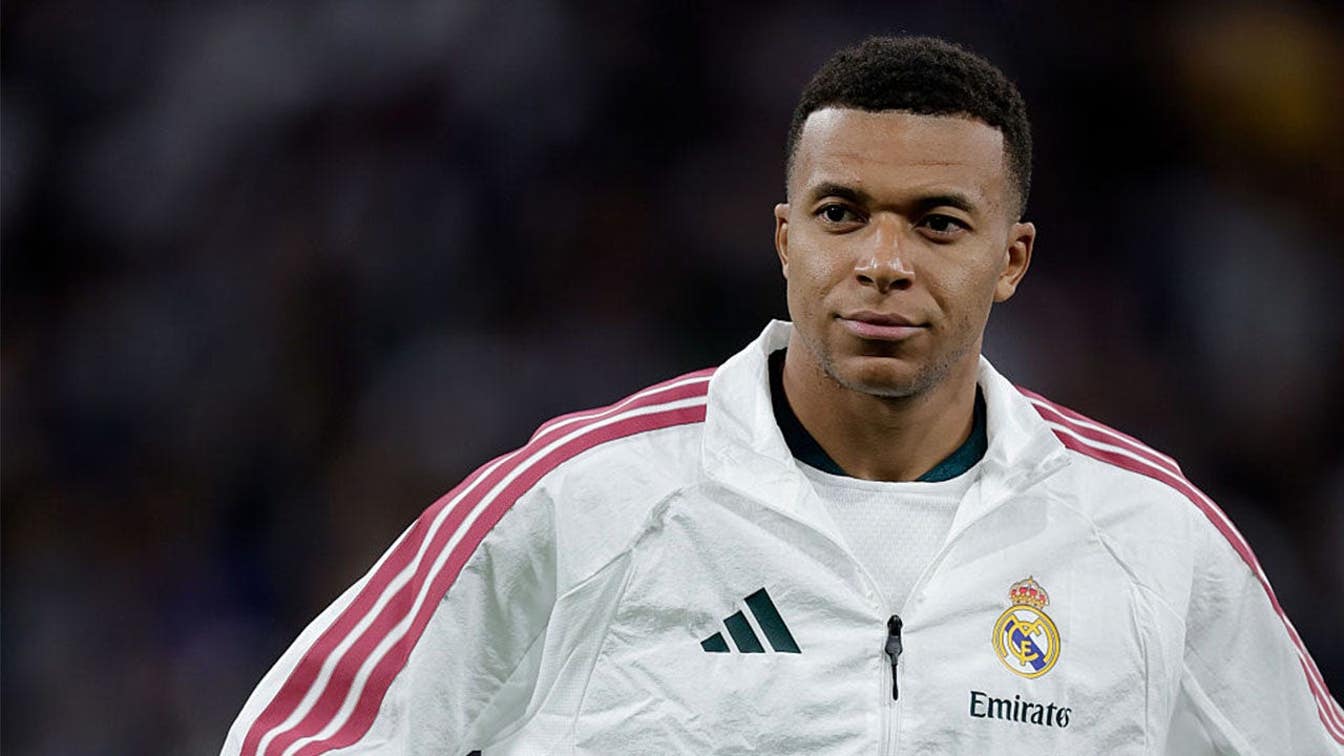
During an interview on the French talk show *The Bridge*, Real Madrid forward Kylian Mbappé laughed at a meme that placed his face on an image resembling Mao Zedong, the former Chinese leader often referred to as “the dictator.” The joke referenced Mbappé’s nickname “The Dictator” and was intended as light-hearted banter. Chinese state-run broadcaster CCTV and several Chinese sponsors interpreted the meme as offensive, leading the broadcaster to halt the airing of La Liga matches in China and prompting sponsors to cut ties with the player.
02
Real Madrid’s Response and Apology
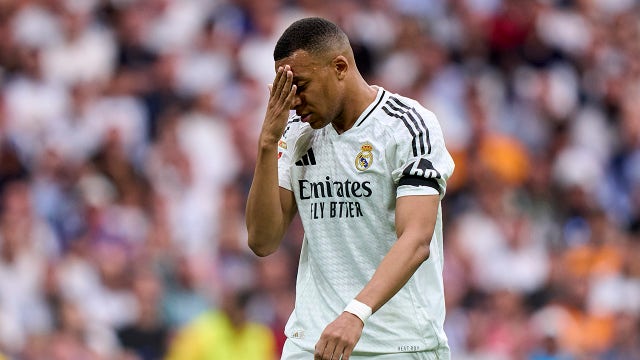
Initially, Real Madrid defended Mbappé’s actions, stating that he had no intent to offend and emphasizing players’ freedom of expression. After sustained pressure from CCTV, the club released a formal apology to Chinese fans, expressing respect for China’s history, culture, and its supporters of the club. Within an hour of the broadcaster’s demand, Real Madrid’s statement acknowledged the “distress” caused by Mbappé’s remarks. Mbappé himself issued a personal apology, saying he now understood that his comments had hurt many people in China and Chinese communities worldwide.
Visual evidence
Images from the story
03
Reactions from Chinese Media and Sponsors
CCTV publicly declared that it would not engage in further discussions with Real Madrid until an apology was issued, characterizing the club’s earlier stance as unacceptable. Following the apologies, the broadcaster indicated that discussions could resume, though the suspension of La Liga broadcasts remained in effect at the time of reporting. Several Chinese corporate sponsors terminated their relationships with Mbappé, citing the controversy as the reason for the severance.
04
Broader Implications for Sports and Commercial Ties
The episode illustrates how a single social-media incident can quickly affect international broadcasting agreements and sponsorships in the sports industry. Clubs with global fan bases must balance athletes’ personal expression against the sensitivities of key markets, especially when state-run media are involved. The rapid shift from initial defense to public contrition underscores the commercial pressure that large-scale sponsors and broadcasters can exert on professional teams.