
Full Breakdown
Kim Jong Un’s One-Day Dandong Visit Highlights New Bridge and Deepening China-North Korea Ties
By Drooid · · How we work
In this breakdown
01
Core Event: Bridge Crossing and High-Level Talks
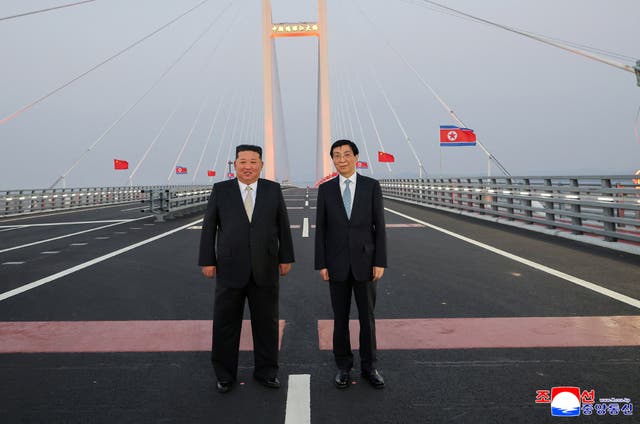
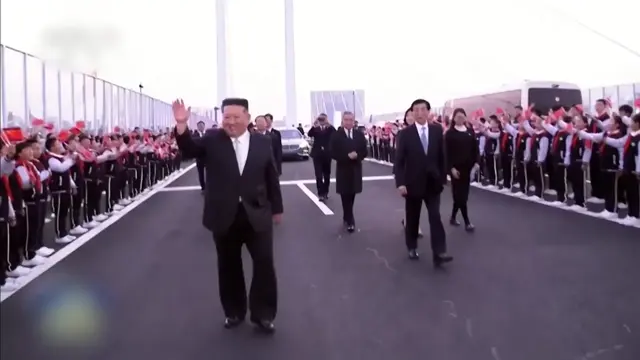
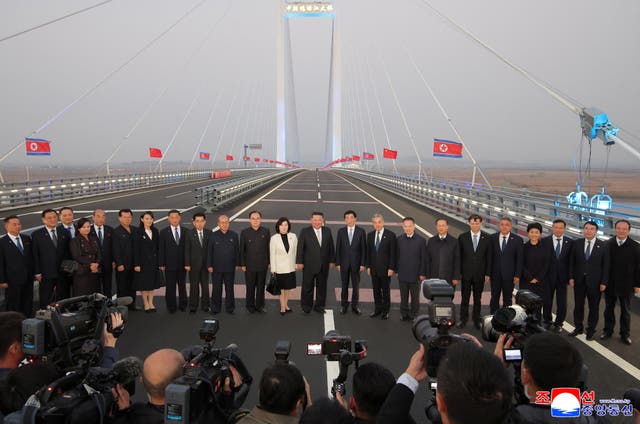
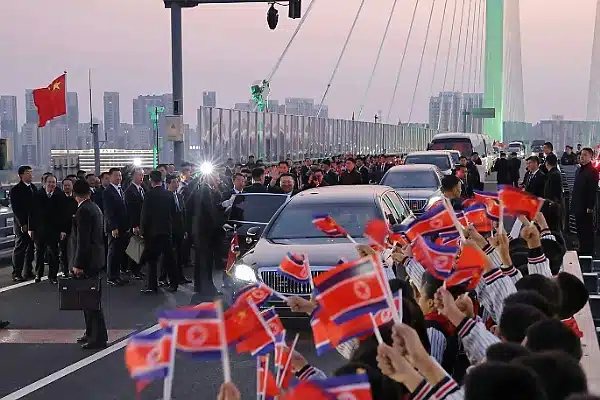
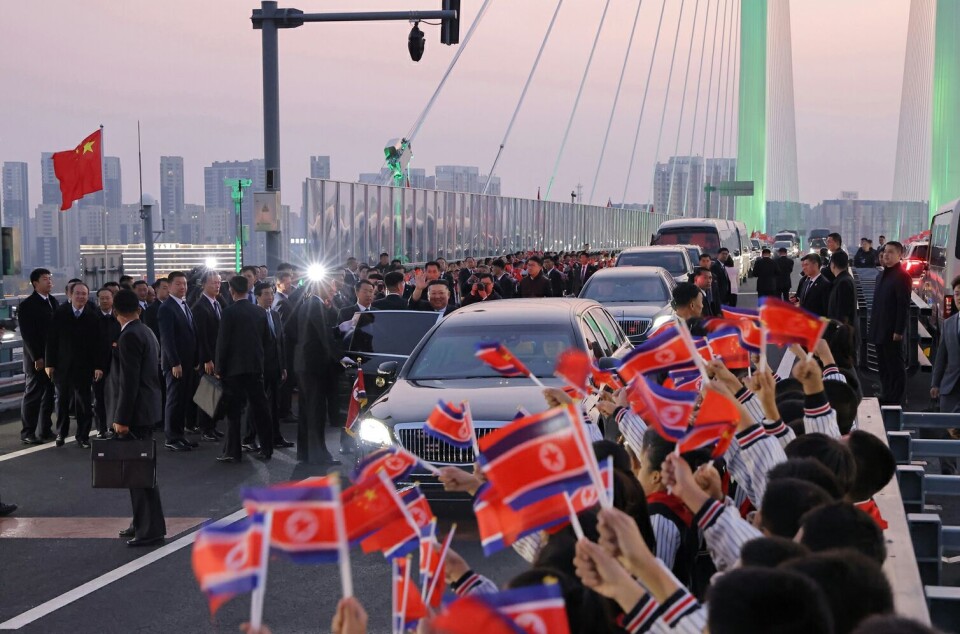
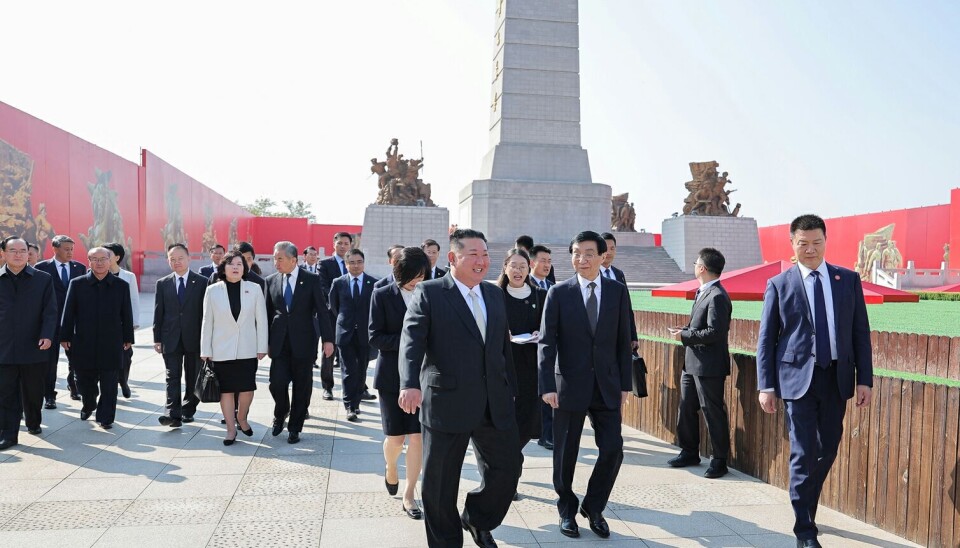
On October 24, 2026, North Korean leader Kim Jong Un crossed the newly opened New Yalu River Bridge from Sinuiju into Dandong, China. Accompanied by senior officials—including his sister Kim Yo-jong and Foreign Minister Choe Son-hui—Kim met Wang Huning, fourth-ranking member of China’s Politburo Standing Committee. The itinerary included a stop at the Memorial Hall of the War to Resist US Aggression and Aid Korea, a tour of a Dandong bus factory, and a farewell ceremony on the bridge before returning the same day.
Watch
Related reporting
cbsnews
Video: Trump plans to meet with North Korea's Kim Jong Un
ex
Kim Jong Un crosses new bridge linking North Korea and China
02
Background & Context
The bridge, completed in 2014, remained closed for twelve years before opening on October 15, 2026. Its inauguration follows a period in which Pyongyang has leaned toward Russia while still relying on China as its principal economic lifeline. Kim’s September 2025 trip to Beijing featured a summit with President Xi Jinping; the 2026 visit marks his first entry into China without meeting Xi in person.
Visual evidence
Images from the story


03
Data & Statistics
- Length: 3,026 m; four lanes for two-way traffic.
- Capacity: up to 20,000 vehicles and 50,000 passengers per day.
- Cost: over $300 million, financed largely by China.
04
Official Statements & Responses
Chinese officials framed the visit as a reinforcement of the “blood-sealed friendship” forged during the Korean War. Xinhua News Agency said China is “willing to expand economic and trade cooperation with North Korea.”
05
Why It Matters / Impact
The bridge removes a logistics bottleneck, likely accelerating the flow of raw materials, energy products and heavy equipment needed by North Korea. Analysts note the timing—just before the APEC summit in Shenzhen—signals Pyongyang’s intent to showcase an alternative to U.S.-led sanctions relief. The visit underscores a balancing act: deepening economic ties with Beijing while still coordinating with Moscow, prompting Chinese officials to caution against over-reliance on Russia.
06
Criticism & Opposition
- Prof. Park Won-gon (Ewha Womans University) warned that “given its strategic competition with the United States, China would find it burdensome to unilaterally ease sanctions on North Korea.”
07
Conflicting Reports & Gaps
Sources differ on the trip’s primary purpose. U.S.-focused outlets (e.g., CBS News) emphasize expanding cooperation, while RFA analysts describe the crossing as “largely symbolic” with limited trade outcomes. No source provides concrete details on any specific trade agreements signed during the visit.
08
Verbatim Quotes
- “Kim is acting with limited confidence, embracing like-minded totalitarian, autocratic … partners such as Russia and China while ignoring the United States, at least for now,” — Sydney Seiler
- “The opening of the bridge has resolved a major bottleneck in China-North Korea trade logistics,” — Mr Lu
- “This bridge will faithfully carry out its historic mission of connecting the two countries and binding our hearts together even more firmly.” — The Presidential Office