
Full Breakdown
Bank of Canada Raises Policy Rate to 2.5% as Energy-Driven Inflation Persists
By Drooid · · How we work
In this breakdown
01
Core Decision
On October 28, the Bank of Canada (BoC) increased its key policy rate by 25 basis points to 2.5 percent, the first hike since July 2023. The move was intended to curb the risk that elevated global oil prices—fuelled by the ongoing Middle-East conflict—could spill over into broader consumer-price inflation. The governing council signaled that additional tightening “could be needed” but would be approached cautiously.
02
Background & Context
Energy prices have surged as the war in the Middle East entered its eighth month, keeping Brent crude around $125 per barrel in October—about $35 higher than in July. After a year of holding the rate at 2.25 percent, policymakers judged that the combination of “higher-for-longer” energy costs and a resilient economy warranted a modest tightening.
Visual evidence
Images from the story




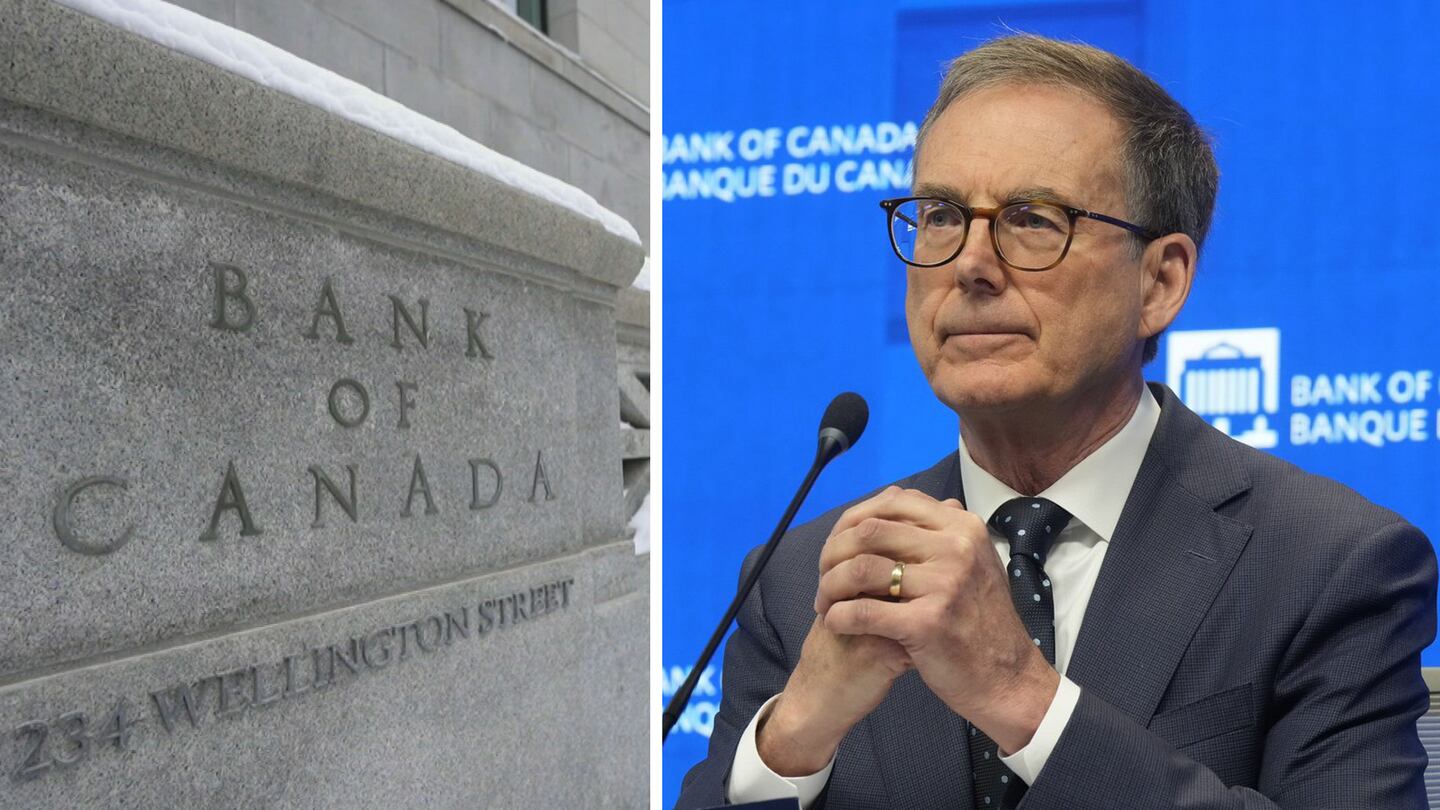
03
Data & Statistics
- Headline inflation: 3.1 % in September, just above the 1-3 % target range.
- Core inflation (ex-energy): 2.2 % in September, near the 2 % midpoint.
- GDP growth: 3.3 % annualized in Q2 2026; projected 2 % in Q3 and 0.8 % in Q4.
- Unemployment: Around 6.5 % in recent months.
- Energy price impact: Gasoline, diesel and heating oil are 30 % higher than a year earlier, driving cost-pass-through expectations.
All figures are drawn from the BoC’s October Monetary Policy Report and corroborated by multiple news outlets.
04
Official Statements & Responses
The central bank projected that inflation will average about 3 % through 2027 before returning to the 2 % target by mid-2028, while GDP growth is expected to reach 2 % in both 2027 and 2028.
05
Criticism & Opposition
Several economists warned that further tightening could hinder the modest recovery.
06
Timeline
- June 10 2026 (occurred): Governor Macklem appears at a news conference in Ottawa.
- October 28 2026 (occurred): Policy rate raised to 2.5 %; BoC releases updated inflation and growth forecasts.
- December 9 2026 (scheduled): Next BoC rate decision.
07
Verbatim Quotes
- “With the outlook for inflation substantially higher and the economy showing resilience, an increase in the policy rate is needed to reduce the risk that elevated energy prices could spill over and become generalized inflation,” — Tiff Macklem, governor
- “While businesses have mostly absorbed higher input costs so far, past experience and bank surveys suggest that cost pass-through will increase over the next year,” — Tiff Macklem, governor
- “Governing Council agreed that risks to inflation had increased and there was less scope for monetary accommodation,” — Tiff Macklem, governor
- “We don't expect that core measures of inflation will accelerate as much as the Bank fears, particularly if global energy prices ease a little, and as a result we don't think that ?the policy rate will need to move above 2.75%,” — Andrew Grantham, senior economist
- “The conflict in the Middle East is now in its eighth month and there is no clear path to resolution. The combination of higher-for-longer energy prices and increased pass-through adds to the persistence of inflation.” — The Bank