
Full Breakdown
Supreme Court Lets Texas-DOJ Deal Block Biden Immigration Rule
By Drooid · · How we work
In this breakdown
01
Core Event
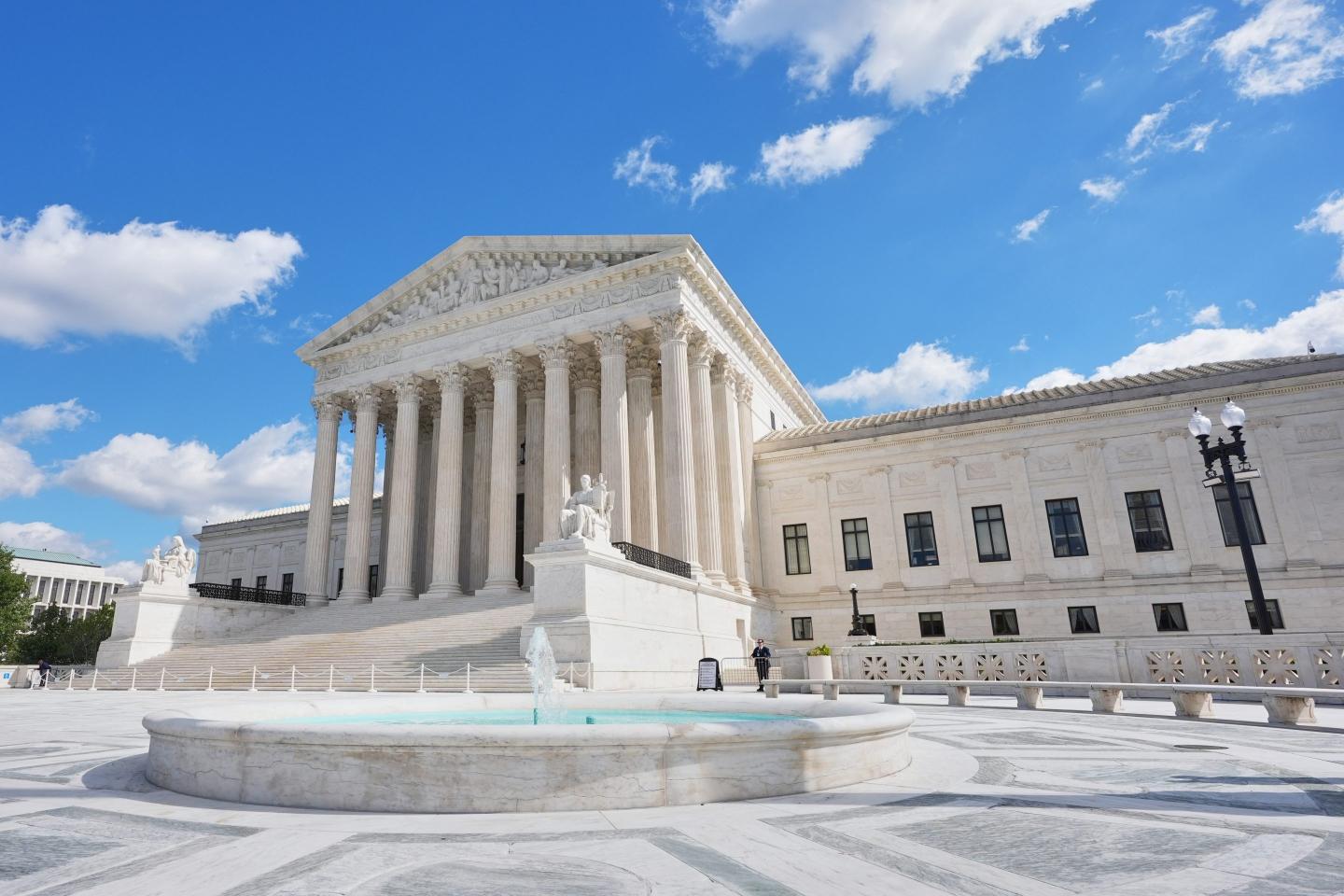
The U.S. Supreme Court declined to intervene in a dispute over a 2024 Biden-era immigration regulation that permitted immigration judges to place certain deportation cases on hold through “administrative closure.” The high court’s inaction leaves in place a district-court order that, at the request of Texas and the Department of Justice (DOJ), permanently blocks the rule.
02
Background of the Regulation
The Biden administration adopted the administrative-closure practice in 2024 to pause deportation proceedings when migrants were pursuing other forms of immigration relief. Critics argued the rule let some individuals remain in the country indefinitely, while supporters said it helped crime victims and unaccompanied juveniles.
Visual evidence
Images from the story
03
Legal Challenge and City Intervention
Texas filed a lawsuit in June, contending that the rule was adopted without proper legal authority. The DOJ joined Texas, asking the district judge to vacate the regulation and bar similar future rules. In August, the cities of Baltimore, Maryland; New Haven, Connecticut; and Columbus, Ohio, together with the immigrant-rights group Centro Legal de la Raza, sought to intervene and defend the rule on appeal. Their emergency appeal to the Supreme Court was denied. The Justice Department argued the cities lacked standing because they had not demonstrated a concrete injury, while the cities claimed the rule’s removal would harm local tax revenues and public safety.
04
Impact and Outlook
By leaving the district-court order intact, the Supreme Court’s refusal effectively ends the administrative-closure practice nationwide. Texas and the federal government view the outcome as a correction of an overreaching executive action, whereas the intervening cities warned that the loss of the rule could increase deportations and reduce community resources. No further appellate steps have been announced, leaving the dispute settled for the foreseeable future.