
Full Breakdown
John Healey’s First Budget Sets Modest Course Amid Global Economic Storms
By Drooid · · How we work
In this breakdown
01
Core Event
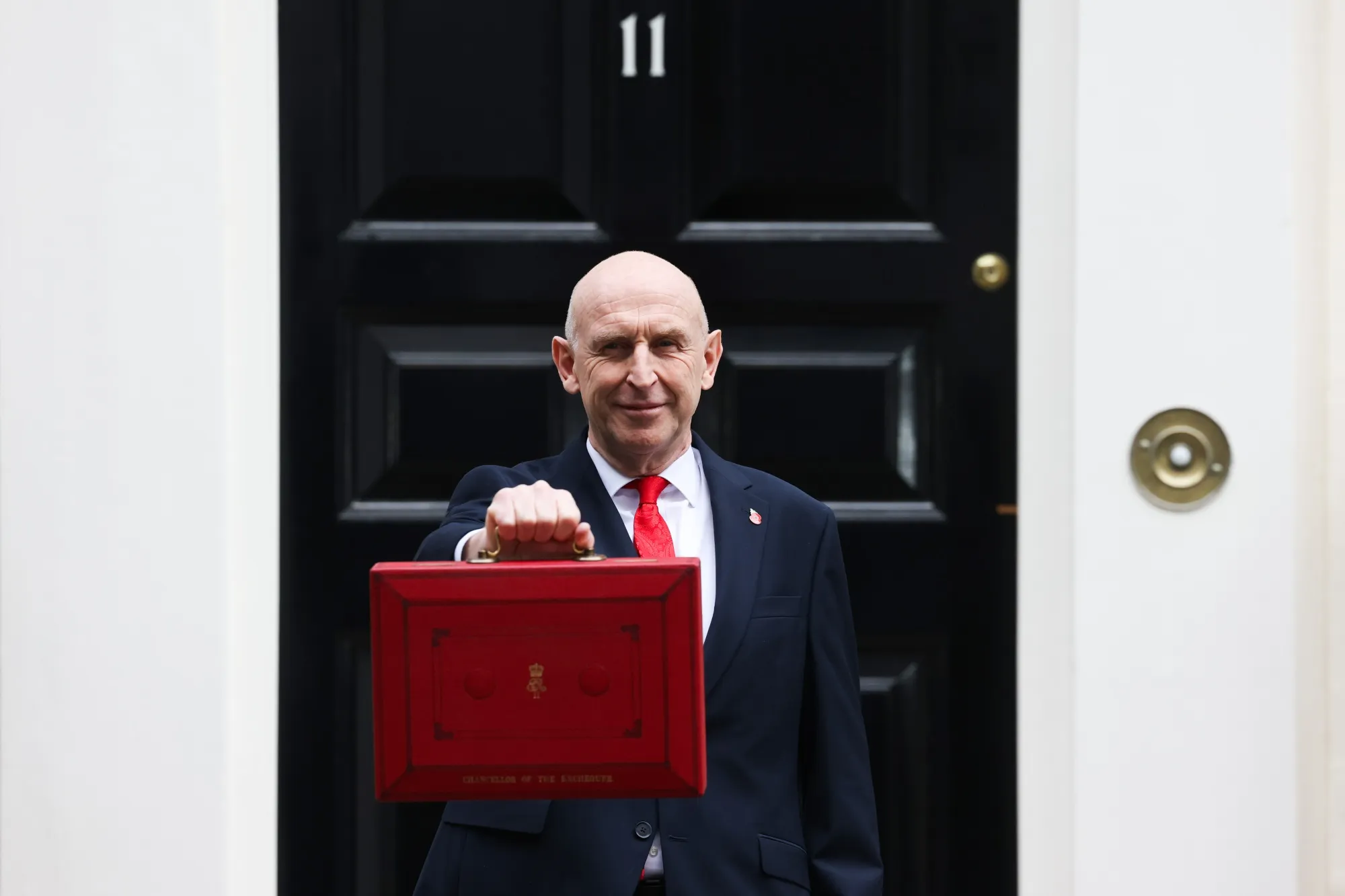
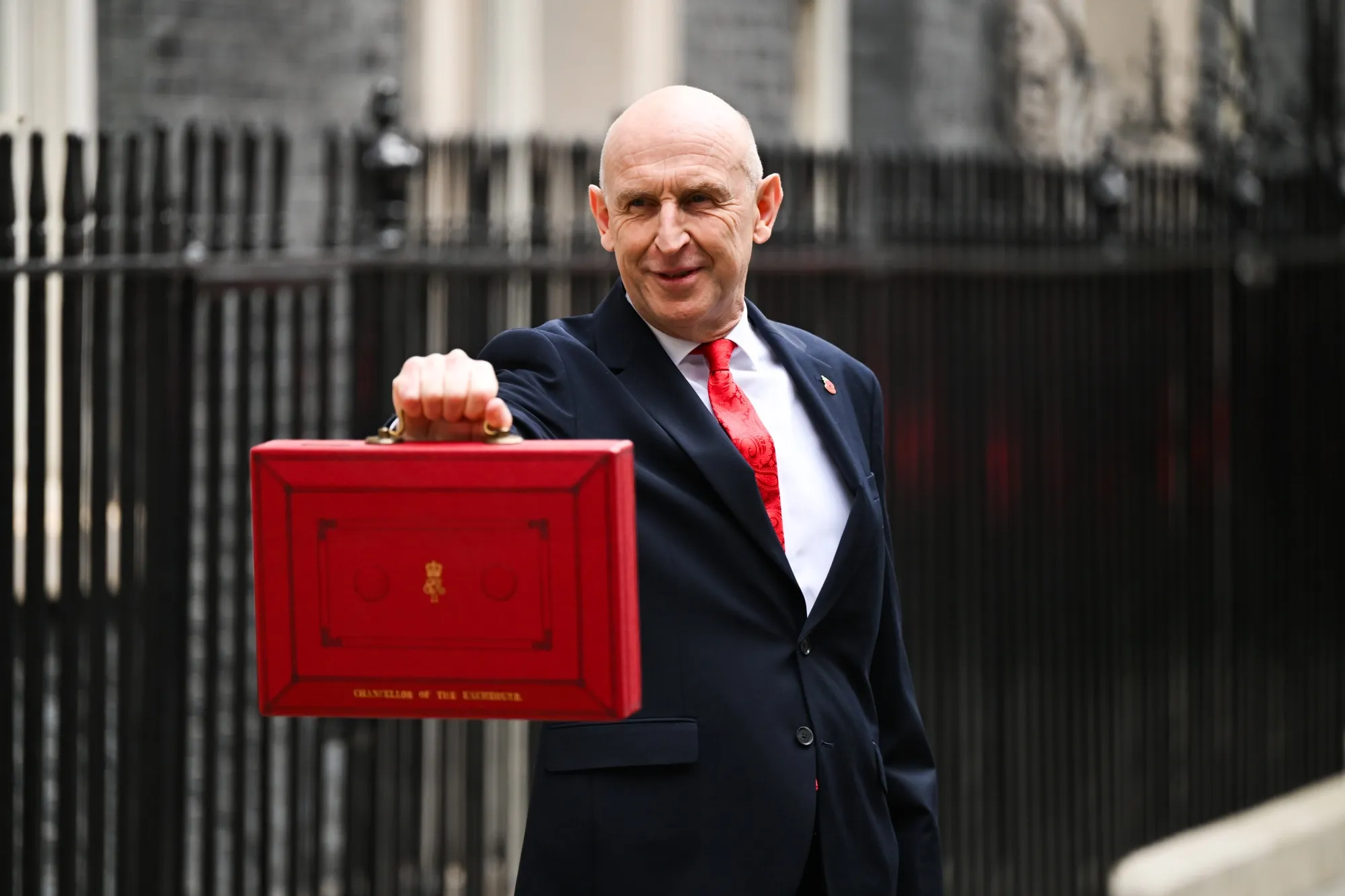
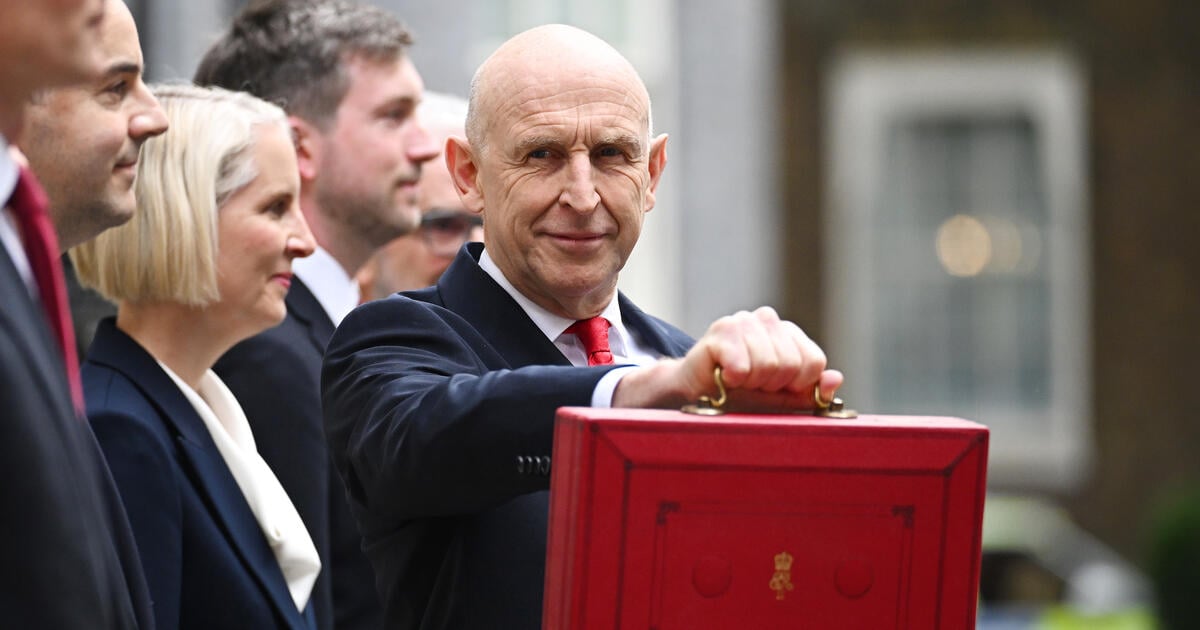
- Date: 28 Oct 2026 – Chancellor of the Exchequer John Healey delivered the UK’s Autumn Budget to the House of Commons.
- Key measures: a one-off £100 payment to up to 20 million households; a 15-month increase of the banking profit surcharge to 6 %; extension of the VAT cut on electricity; a six-month freeze of fuel duty; a rise in Machine Games Duty to 25 %; a new “founder’s relief” for start-up investors; a requirement that online marketplaces collect VAT at point of sale; and a commitment to raise defence spending to 3 % of GDP by 2030.
Watch
Related reporting
brightcove
Burnham’s government unveils its first UK budget: What to expect
02
Background & Context
- Former chancellor Rachel Reeves had introduced more than £60 billion of tax rises, leaving limited fiscal headroom.
- The Treasury cites the war in Iran and soaring global energy prices as drivers of higher borrowing costs and inflation, reflected in the Office for Budget Responsibility’s upgraded 2026 growth forecast of 1.2 % and a lowered 2027 outlook of 1 %.
- Defence spending currently sits at about 2.6 % of GDP; the 3 % target will require roughly £15 billion extra each year.
Visual evidence
Images from the story


03
Data & Statistics
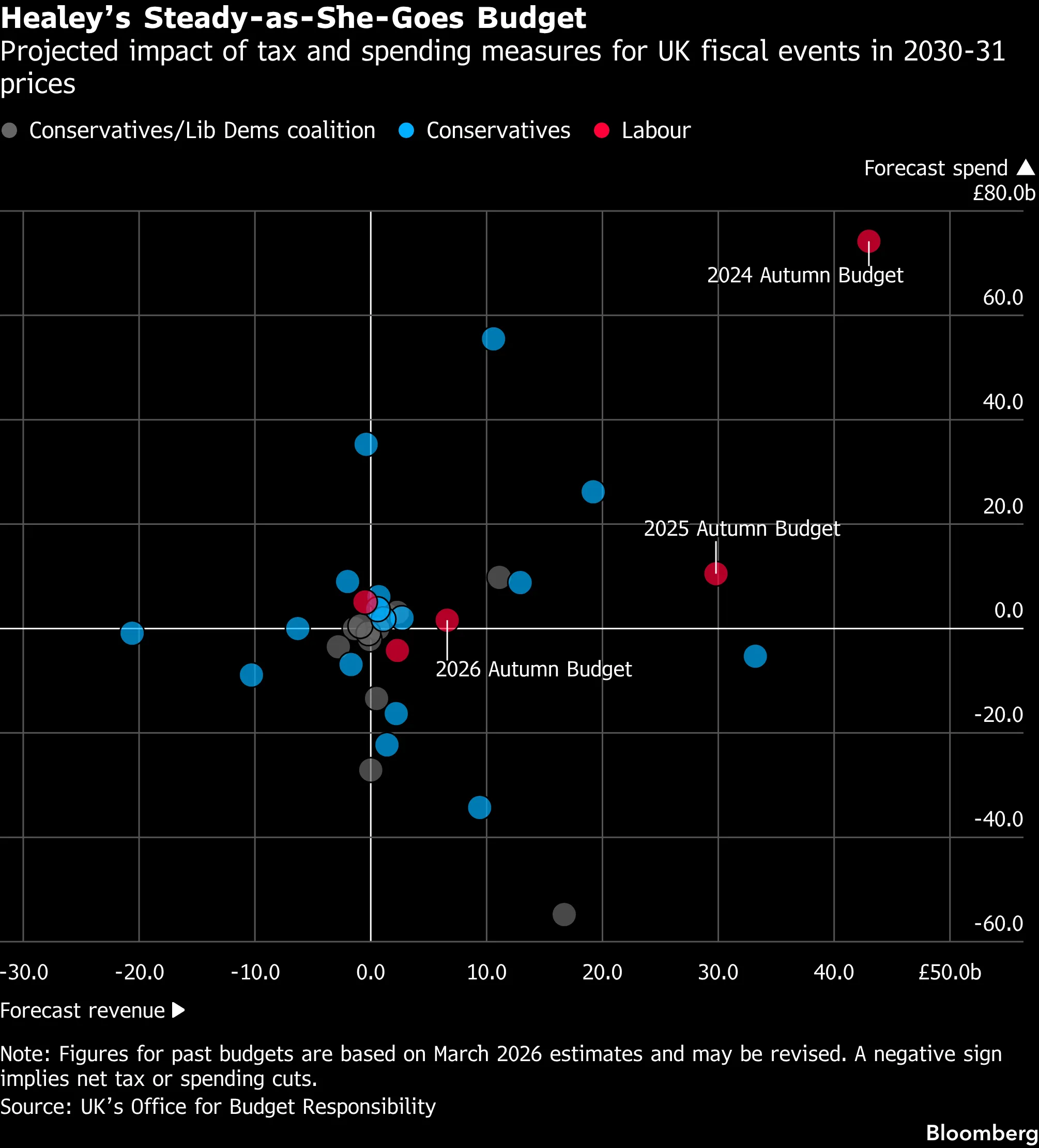
- Revenue-raising measures are projected to bring in £20.6 billion between 2026-27 and 2031-32.
- Bank surcharge: £1.5 billion over 15 months.
- Tax-gap closure (HMRC staffing, electronic VAT invoices): £3.2 billion.
- Energy-bill payment: £3.7 billion cost this fiscal year and next.
- Industrial electricity scheme: £1.2 billion in 2027-28.
- Fuel-duty extension: £1.4 billion.
- Defence investment gap: £4.7 billion over three years.
- Spending: the OBR expects borrowing costs to rise by £14 billion this year and possibly another £17 billion next year if energy prices stay high.
- Fiscal headroom is forecast to fall to £15 billion in 2029-30.
- National Living Wage will rise 3.9 % to £13.21 per hour from 1 Apr 2027.
04
Official Statements & Responses
- Healey said, “I’ve chosen to use some of the headroom established last year to absorb the impact of the Iran war, to protect the economy, and to protect family budgets.”
- NATO Secretary-General Mark Rutte welcomed the 3 % defence commitment.
05
Criticism & Opposition
- Shadow chancellor Andrew Griffith warned, “If John Healey fudges defence spending rather than properly funding the three per cent by 2030, he must resign.”
- Conservative business-rate champion Kemi Badenoch called the budget “a low-key affair” and noted the absence of major reforms.
06
Conflicting Reports & Gaps
- Reuters reported that Healey would scrap a planned cut to the cash ISA allowance but could not verify the claim; the Financial Times later confirmed the reversal.
- Revenue estimates for the bank surcharge differ: Bloomberg cites £1.5 billion, while other outlets reference a £2 billion projection.
07
What’s Next
- The bank surcharge runs from 1 Jan 2027 to 31 Mar 2028.
- Online-marketplace VAT collection rules become effective in Oct 2027.
- The “founder’s relief” CGT regime is slated for implementation on or after 6 Apr 2027.
- A full Spending Review is scheduled for 2027 to decide how the 3 % defence target and other large-scale programmes will be financed.