
Full Breakdown
DOJ Lawsuit Targets Alaska Senate Ballot Over Duplicate Dan Sullivan Names
By Drooid · · How we work
In this breakdown
01
Core Event: Federal Suit Aims to Halt Certification If Voter Confusion Affects Outcome
The U.S. Department of Justice filed a federal complaint in Alaska seeking an order that would prevent the state from certifying its 2026 Senate race if the incumbent Republican Sen. Dan Sullivan loses and votes cast for another candidate named Daniel J. Sullivan are found to have been confused. The complaint invokes the National Voter Registration Act, arguing that the presence of two similarly named candidates could mislead voters and therefore invalidate the result. The suit was lodged roughly two weeks before the November election and asks a federal judge to block certification pending an investigation into ballot-ranking patterns.
02
Background & Context
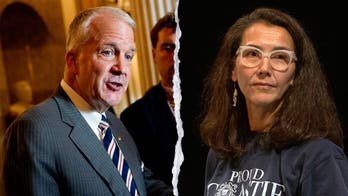
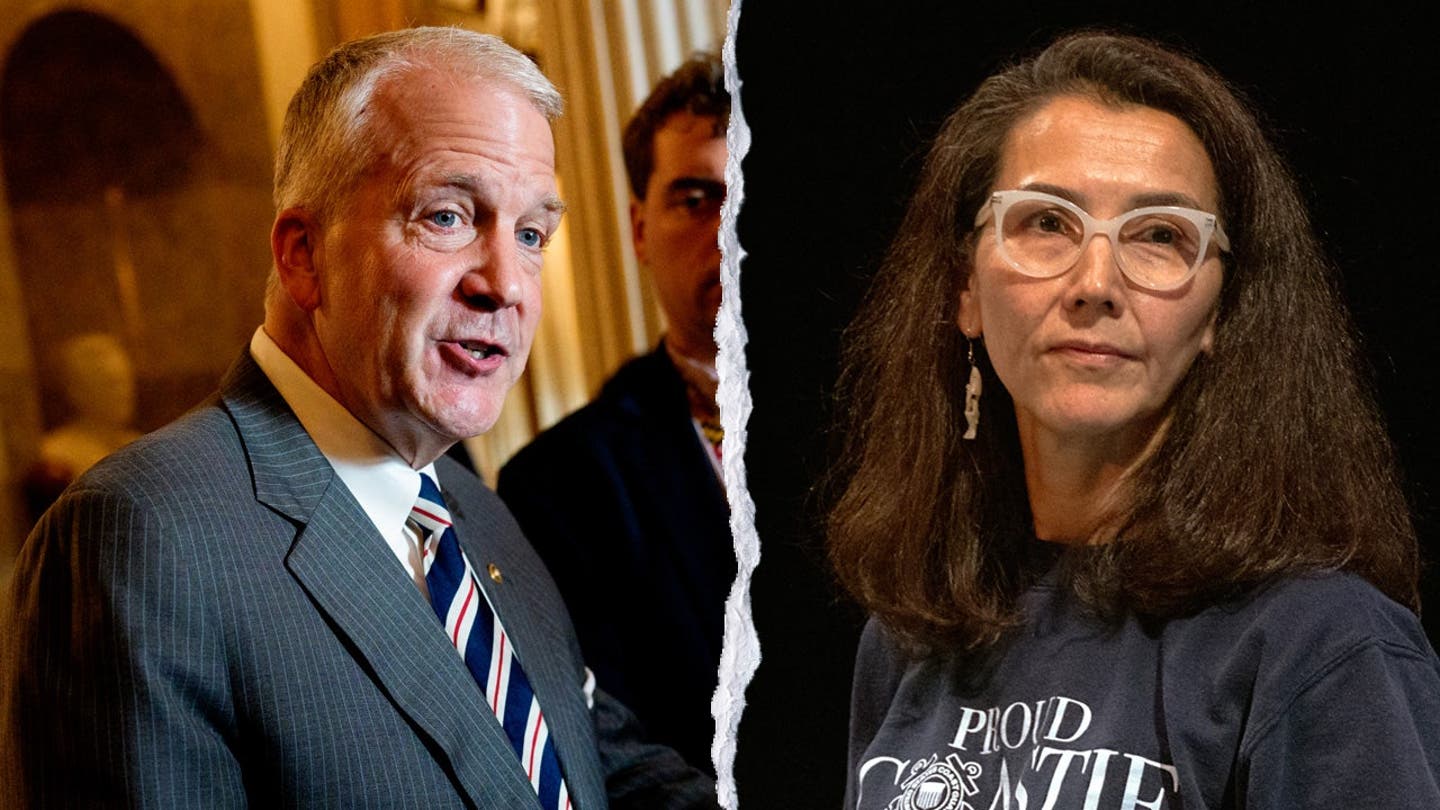
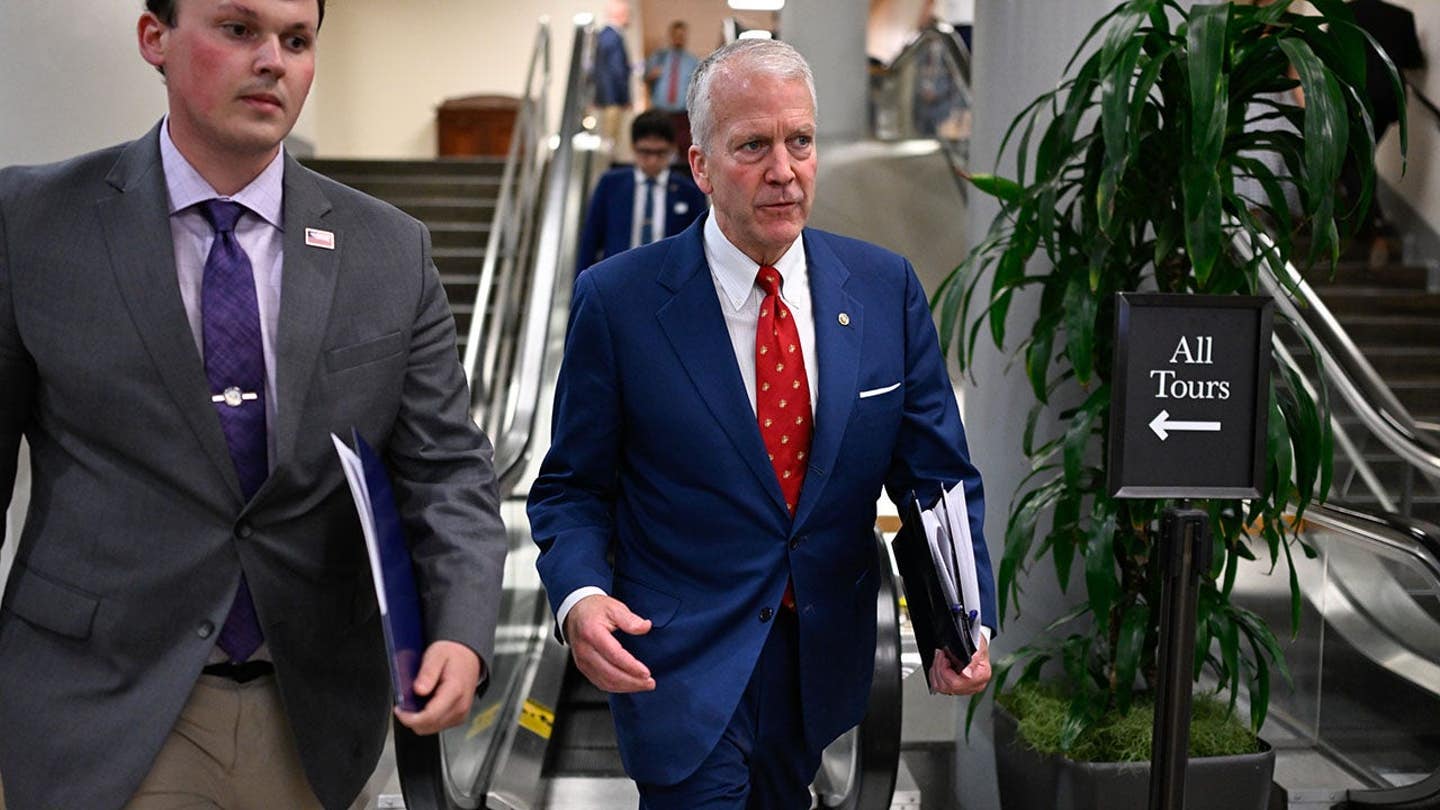
Alaska uses a ranked-choice voting system. The race pits incumbent Sen. Dan Sullivan against Democratic former congresswoman Mary Peltola. A retired elementary-school teacher from Petersburg entered the contest as Dan J. Sullivan. Alaska’s Division of Elections initially disqualified the teacher, but the Alaska Superior Court overturned that decision, and the Alaska Supreme Court later upheld his place on the ballot.
Visual evidence
Images from the story


03
Data & Statistics
- In the August primary, Sen. Dan Sullivan received more than 68,000 votes; Dan J. Sullivan earned 4,107 votes, roughly 2 % of the total.
- Alaska’s population is about 738,000 people, and analysts expect a narrow general-election margin.
04
Official Statements & Responses
President Donald Trump said, “I’m the one that said do it.” Attorney General Todd Blanche framed the action as a safeguard for election integrity, emphasizing that the DOJ is not trying to overturn state results but to preserve evidence of confusion. Sen. Lisa Murkowski criticized the suit, noting that Alaska has already distinguished the two candidates on the ballot. Mary Peltola called the filing “flagrant corruption” and a diversion from issues such as affordability. The League of Women Voters of Alaska and Common Cause have moved to intervene. U.S. District Judge Sharon Gleason has fast-tracked the case, with a decision expected before the November election.
05
Criticism & Opposition
Legal scholars have questioned the DOJ’s standing. Derek Muller, a Notre Dame law professor, noted that “the statute simply doesn’t let the Department of Justice enjoin certification.” Walter Olson, a senior legal fellow at the Cato Institute, warned that the effort will likely fail unless a federal court accepts the theory that Alaska violated federal law by allowing the teacher to remain on the ballot.
06
Conflicting Reports & Gaps
The DOJ argues that the National Voter Registration Act authorizes federal intervention where voter confusion is alleged. Alaska officials and several legal experts contend the dispute is a matter of state ballot-qualification law, already adjudicated by state courts. No court has yet ruled on whether the federal statute applies to a candidate’s presence on a state ballot, leaving the key legal question unresolved.
07
What’s Next
Judge Gleason is expected to issue a ruling before the November election. If the suit is dismissed, the election result will be certified under Alaska’s existing procedures; if granted, certification could be delayed pending a determination of voter confusion, potentially influencing the final Senate composition.