
Full Breakdown
Trump’s Gas-Price Rhetoric, the Iran War and Midterm Stakes
By Drooid · · How we work
In this breakdown
01
Core Event: Rally-Era Gas-Price Messaging
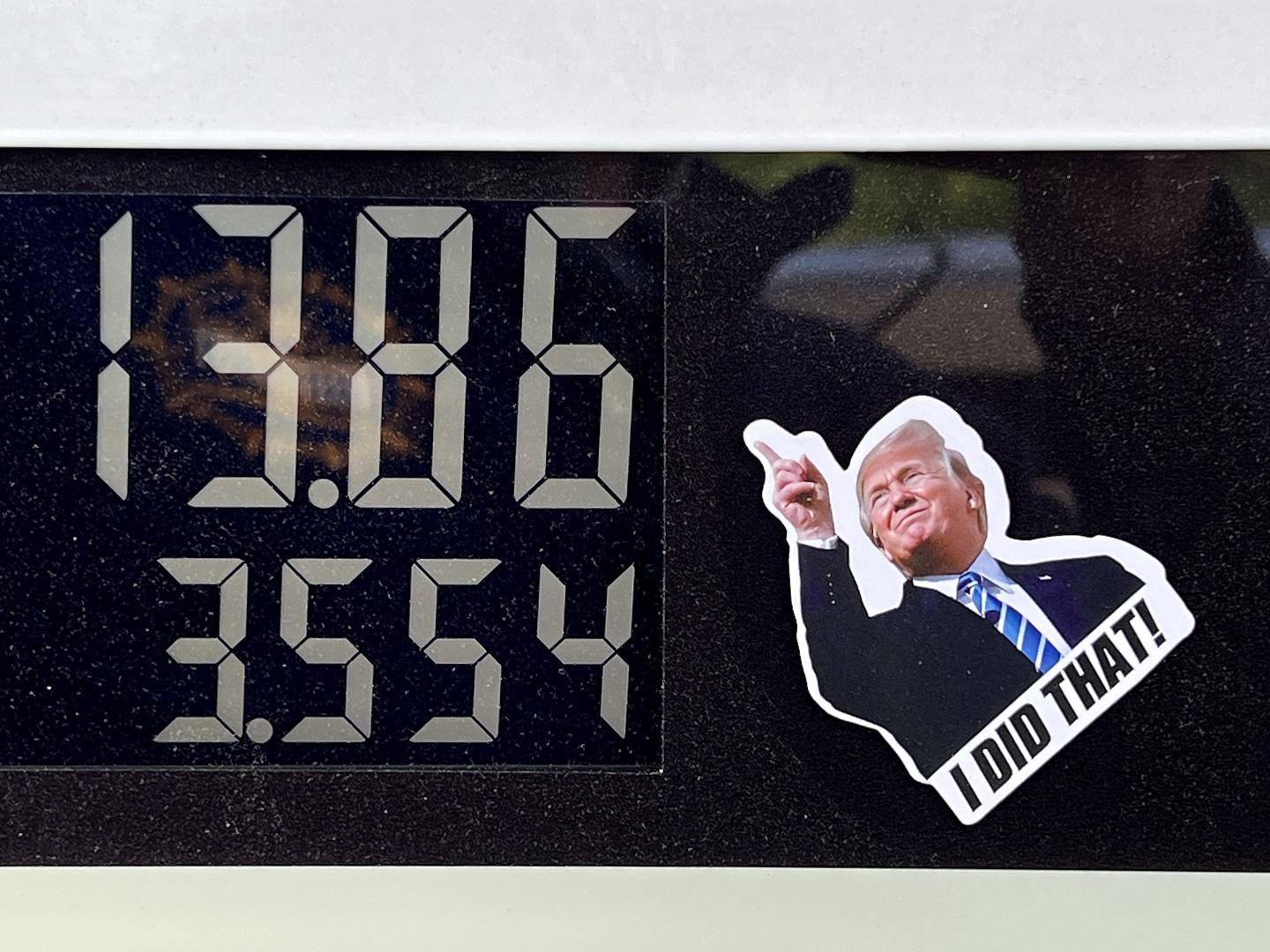
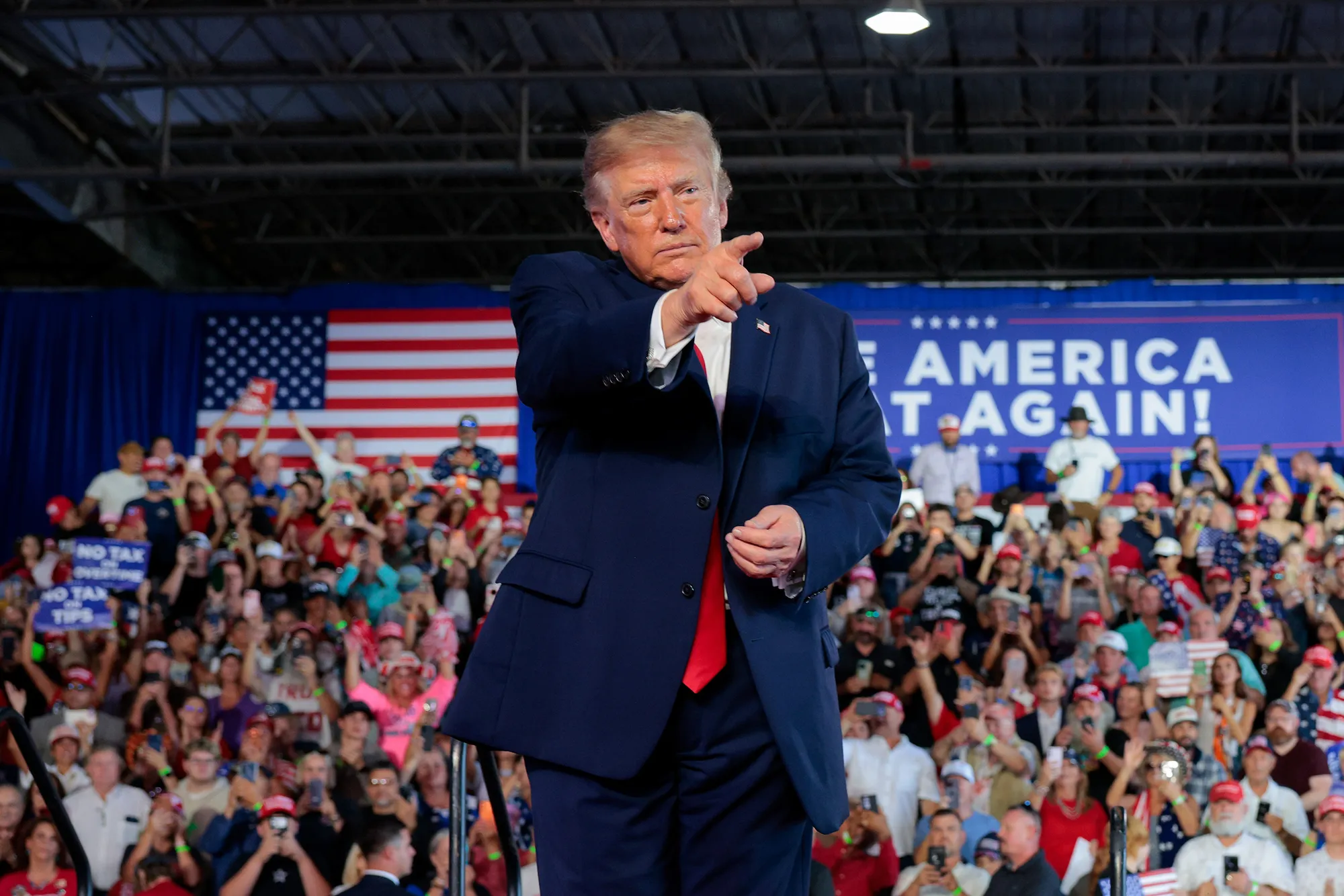
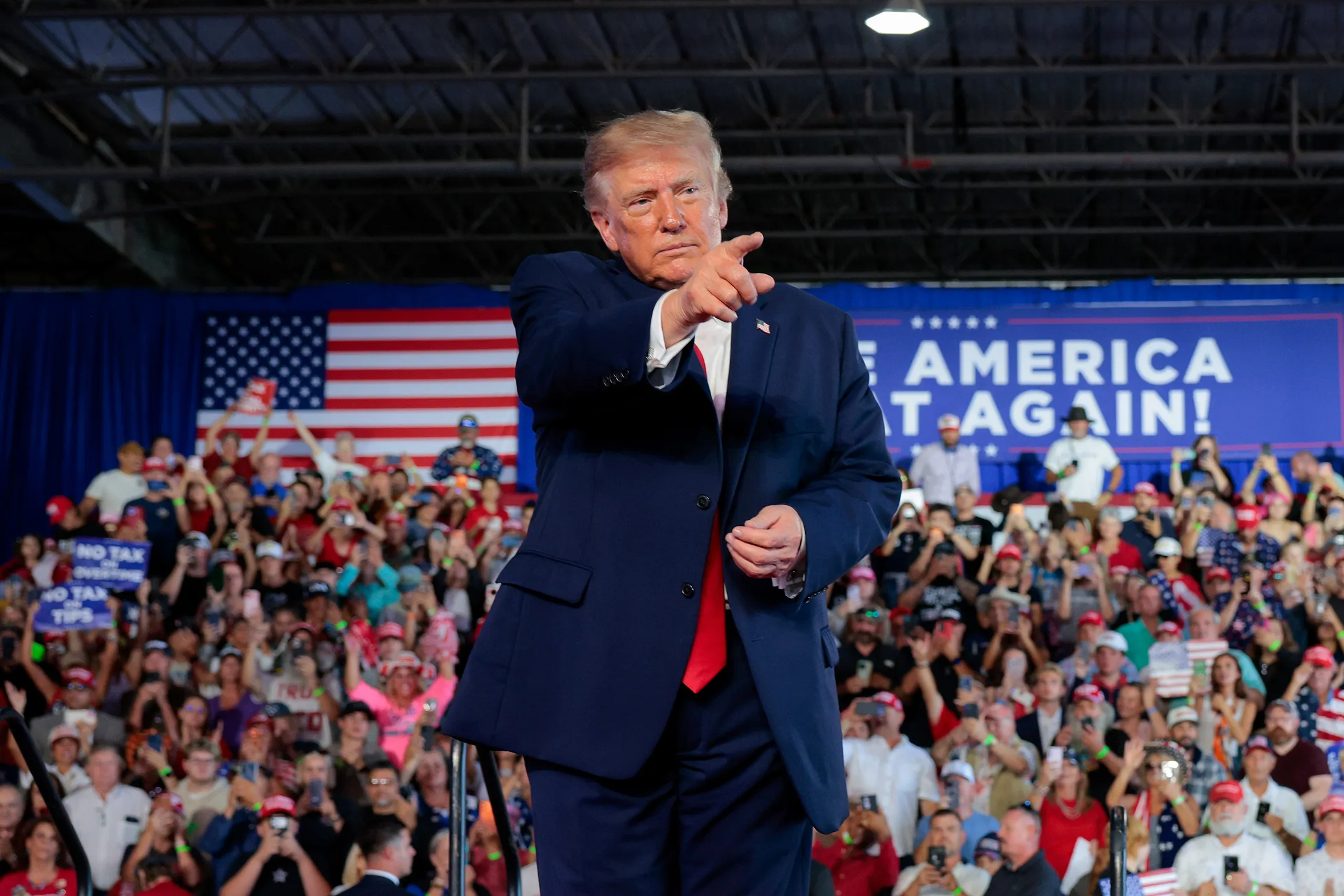
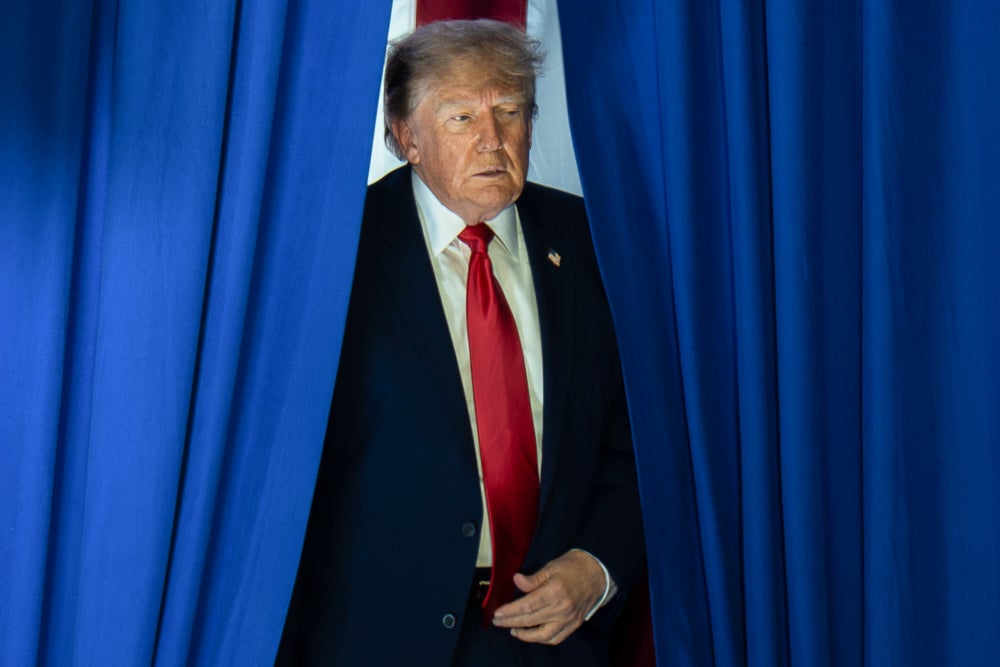
During a series of late-October rallies in Texas, Georgia and Michigan, President Donald Trump framed soaring gasoline prices as “short-term pain” that would soon give way to lower costs. The president also highlighted a newly arrived Venezuelan oil tanker as a concrete step toward easing pump prices.
02
Background & Context: Iran Conflict and Energy Supply
The United States and Israel began joint strikes against Iran, initiating a war that entered its eighth month by October 2026. The conflict has disrupted oil flows through the Strait of Hormuz, a chokepoint that previously handled about one-fifth of global oil shipments. In response, the Trump administration arranged for a tanker carrying 1 million barrels of Venezuelan crude to dock in Corpus Christi, a shipment described by officials as a “gift” from Caracas.
Visual evidence
Images from the story

03
Data & Statistics: Fuel Costs and Oil Flows
- The average price for a gallon of regular gasoline was $4.27, according to AAA, up from $2.98 before the war.
- AAA data also show a cumulative average of $3.472 per gallon during Trump’s second term, edging out the $3.471 average recorded under President Joe Biden (Huffpost, Oct 26).
- Diesel averaged $4.343 per gallon, surpassing the $4.078 average under Biden. A record $6.523 per gallon was reached on September 22.
- Brent crude settled just below $114 a barrel on the day of the Texas rally.
- The Venezuelan shipment represents roughly 6 % of the United States’ daily crude processing capacity of about 17 million barrels.
04
Official Statements & Responses
President Trump asserted that the Iranian war would end “very soon” and that the Venezuelan oil delivery would be refined locally, quickly lowering gasoline and diesel prices. White House spokesperson Taylor Rogers claimed that once the conflict ends, “gas prices will drop drastically” thanks to increased Persian Gulf flows. A senior White House official emphasized that the Venezuelan oil arrives at no cost to U.S. taxpayers and will be distributed to refineries in Corpus Christi and Baytown.
05
Criticism & Opposition
- “Where are the Republicans in Congress?” asked Noor Dubow, an Ohio trucking-logistics dispatcher, expressing frustration that party leaders have not held Trump accountable for the war-driven price surge.
- Christopher Borick, director of the Lehigh University Opinion Observatory, noted that “Trump’s messaging on the war is resonating with a shrinking portion of the electorate”.
06
On-the-Ground Reports
- Elizabeth Marlett, a 61-year-old Iowa rancher, said, “We need to support our commander in chief, even if things take longer than expected”.
07
Conflicting Reports & Gaps
Sources differ on the magnitude of the price increase. AAA’s $4.27 per-gallon figure contrasts with the cumulative $3.472 average cited by Huffpost, while Bloomberg notes a pre-war baseline of $2.98. Energy analyst Luisa Palacios argued that the Venezuelan shipment is “negligible” for the U.S.
08
What’s Next
Republicans face a pivotal November 3 midterm election as high fuel costs dominate voter concerns. Meanwhile, the captured Venezuelan leaders are scheduled to stand trial in New York on June 1 2027, a development that could further shape U.S. energy policy and political calculations.