
Full Breakdown
Healey’s 2026 Budget Raises Taxes on Landlords and Savers to Fund £100 Handout
By Drooid · · How we work
In this breakdown
01
Core Event
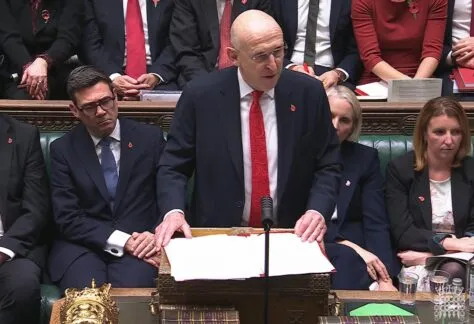
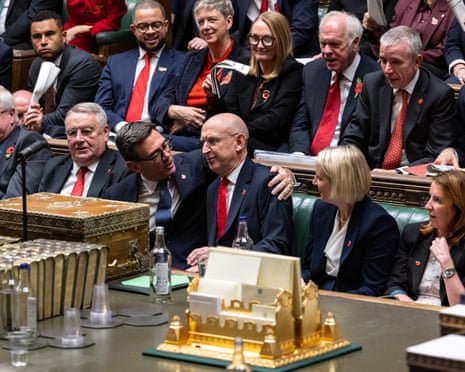
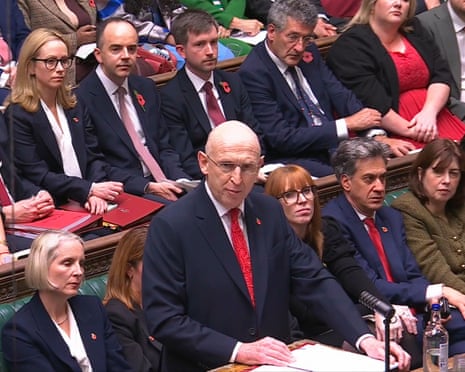
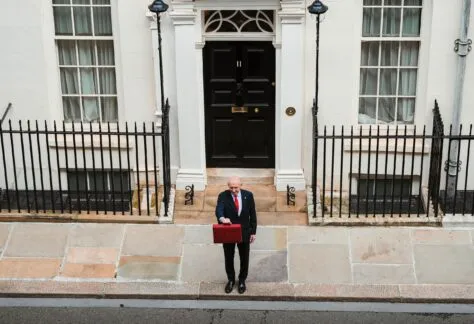
Chancellor John Healey announced a budget that raises the tax on rental income and on savings by 2 percentage points from 6 April 2027. The additional levy on banks’ profits will rise to 6 percent for 15 months. Revenue will fund a £100 winter payment for roughly 20 million English households in council-tax bands A-D, costing £2.6 billion. The budget also extends the VAT cut on electricity to next summer and cancels a planned fuel-duty rise.
02
Background & Context
The budget follows “global economic storms,” including the war in Iran that lifted oil and gas prices. The Office for Budget Responsibility (OBR) warned household disposable income will grow by only 2 percent by 2030-31 and inflation will stay near 4 percent. Healey framed the tax measures as a way to keep Labour’s fiscal rules while giving families “breathing space.”
Visual evidence
Images from the story




03
Data & Statistics
- £100 payment to 20 million households – £2.6 billion cost.
- Bank levy: 6 percent for 15 months (up from 3 percent).
- Property-income tax rates from 6 April 2027: basic 24 percent, higher 44 percent, additional 49 percent.
- Expected extra revenue: £575 million a year by 2028-29 from the property-income rise, plus £500 million from the previous year’s increase.
- OBR projects a “steady rise” in rents as landlords may pass on higher taxes.
- Fiscal headroom will be £15 billion in 2029-30, down from the £24 billion target set by former chancellor Rachel Reeves, with a plan to rebuild it to £22 billion by 2030-31.
04
Official Statements & Responses
Healey pledged to keep Labour’s deficit-reduction rules intact and to rebuild the fiscal buffer after the short-term headroom dip. Conservative leader Kemi Badenoch criticised the chancellor for “overspending, overborrowing and overtaxing,” adding she was focused on helping people rather than party prospects.
05
Criticism & Opposition
Think-tank analysts and landlord representatives argued the tax hike is insufficiently targeted and could harm the private rental sector. Ruth Curtice, director of the Resolution Foundation, said the £100 handout is “badly targeted.” Laura Suter, director of personal finance at AJ Bell, warned savers will face “another hefty tax rise” and landlords could pass costs onto tenants. Greg Tsuman, managing director at Martyn Gerrard, called the policy “lunacy” that could “finish off” the sector. Eliot Castle, chief executive of Castle Property Group, called the tax increase “another nail in the coffin” for landlords.
06
Why It Matters
The budget’s reliance on higher taxes on property income and savings to fund a modest cash handout shows the government’s attempt to balance fiscal discipline with cost-of-living relief. If the OBR’s warning materialises, renters could face higher housing costs, potentially offsetting the £100 payment for many households. The policy also signals a shift toward using windfall taxes on banks and targeted levies on specific sectors to meet fiscal targets.
07
What’s Next
The next spending review, scheduled for the following fiscal year, will test the sustainability of the current tax framework and determine whether additional measures will be needed to support housing supply and household incomes. The Treasury has indicated further details on funding for defence and welfare reforms will be disclosed after the review.