
Full Breakdown
Eli Lilly’s Retatrutide Beats Ozempic in Scheduled Head-to-Head Trial
By Drooid · · How we work
In this breakdown
01
Core Event: Scheduled Release of Phase 3 Results
Eli Lilly is scheduled to release data from the Phase 3 TRANSCEND-T2D-2 trial on October 28. The trial directly compared Lilly’s investigational triple-agonist retatrutide (9 mg and 12 mg weekly doses) with Novo Nordisk’s highest approved dose of Ozempic (2 mg weekly) in adults with type 2 diabetes inadequately controlled on metformin.
02
Background & Context
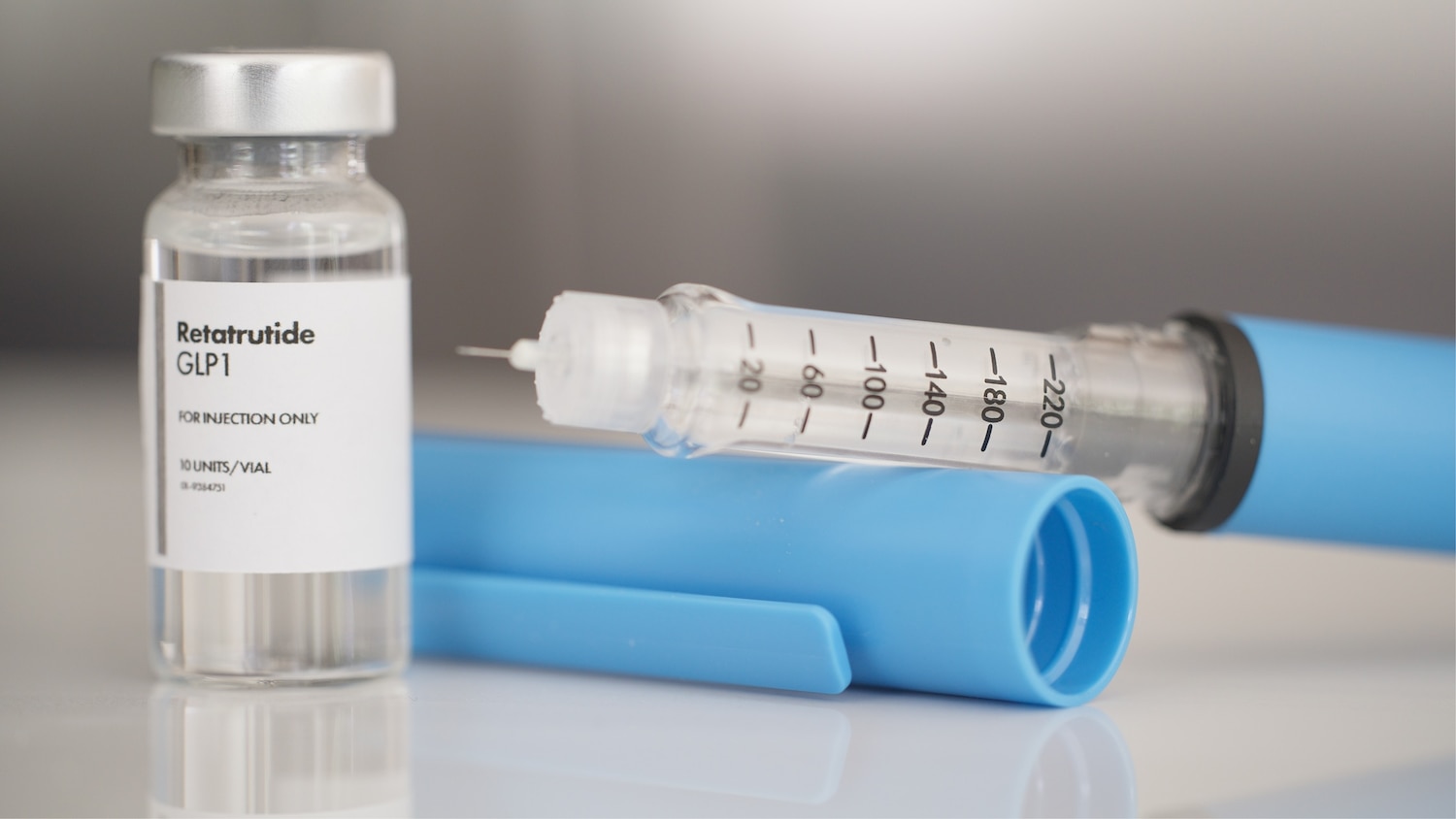
GLP-1 receptor agonists such as Ozempic (semaglutide) have been the first-in-class weight-loss and diabetes treatments. Lilly’s earlier dual-agonist tirzepatide (Mounjaro/Zepbound) adds Glucose-Dependent Insulinotropic Polypeptide (GIP) activity, while retatrutide adds a third target—glucagon—earning it the “triple-G” nickname. Prior studies suggested that activating all three pathways could produce weight-loss results comparable to bariatric surgery.
Visual evidence
Images from the story





03
Data & Statistics
- Weight loss: Participants on retatrutide 12 mg lost an average of 47.4 lb (?20.9 % of body weight); the 9 mg dose yielded 44.3 lb (?19.5 %). Ozempic participants lost 20.9 lb (?9.4 %).
- Glycemic control: Both retatrutide doses reduced A1C by 2.2 percentage points from a baseline of 8.3 %; Ozempic reduced A1C by 1.8 percentage points.
- Cardiometabolic markers: Retatrutide showed greater reductions in systolic blood pressure, triglycerides, and non-HDL cholesterol.
- Adverse events: Diarrhea occurred in 28.3 % (9 mg) and 32.7 % (12 mg) of retatrutide patients versus 26.4 % with Ozempic. Dysesthesia was reported by 4.8 % (9 mg) and 6.5 % (12 mg) versus 2.7 % for Ozempic. Treatment discontinuations due to side effects were 4.8 % (9 mg), 7.9 % (12 mg), and 2.7 % for Ozempic.
04
Why It Matters
If approved, retatrutide could shift treatment paradigms for type 2 diabetes, obesity, and related cardiometabolic conditions by offering weight-loss outcomes that rival surgical interventions while also improving blood-sugar control and cardiovascular risk factors. The trial provides the first direct head-to-head comparison of a triple-agonist with an established GLP-1 therapy, giving physicians concrete efficacy data for prescribing decisions.
05
Verbatim Quotes
- “Head-to-head trials show patients and physicians how a potential new medicine compares with treatments that are available and reimbursed today,” — Eli Lilly's Kenneth Custer, the president of Lilly Cardiometabolic
- “We believe retatrutide, if approved, could shift the treatment paradigm for people living with type 2 diabetes, obesity and related cardiometabolic conditions,” — Eli Lilly's Kenneth Custer, the president of Lilly Cardiometabolic
- “Overall, the data reaffirms retatrutide's differentiated efficacy across weight and glycemic control, strengthening its position as a key long-term cardiometabolic growth driver,” — Citi
- “The highest doses of Ozempic go beyond glycemic control and effective weight loss, as its broad, extensive clinical evidence has also proven protection for the heart, kidneys and liver in people living with Type 2 diabetes,” — Liz Skrbkova, said novo spokesperson
06
What’s Next
Lilly plans to submit a Biologics License Application for retatrutide to the U.S. Food and Drug Administration in early 2027. Detailed trial data will be presented at a future medical meeting, and the company expects potential market availability later that year for indications including chronic weight management, type 2 diabetes, obstructive sleep apnea, and knee osteoarthritis.