
Full Breakdown
Alleged Spoiler Recruitment in Alaska’s 2026 Senate Race
By Drooid · · How we work
In this breakdown
01
Core Event
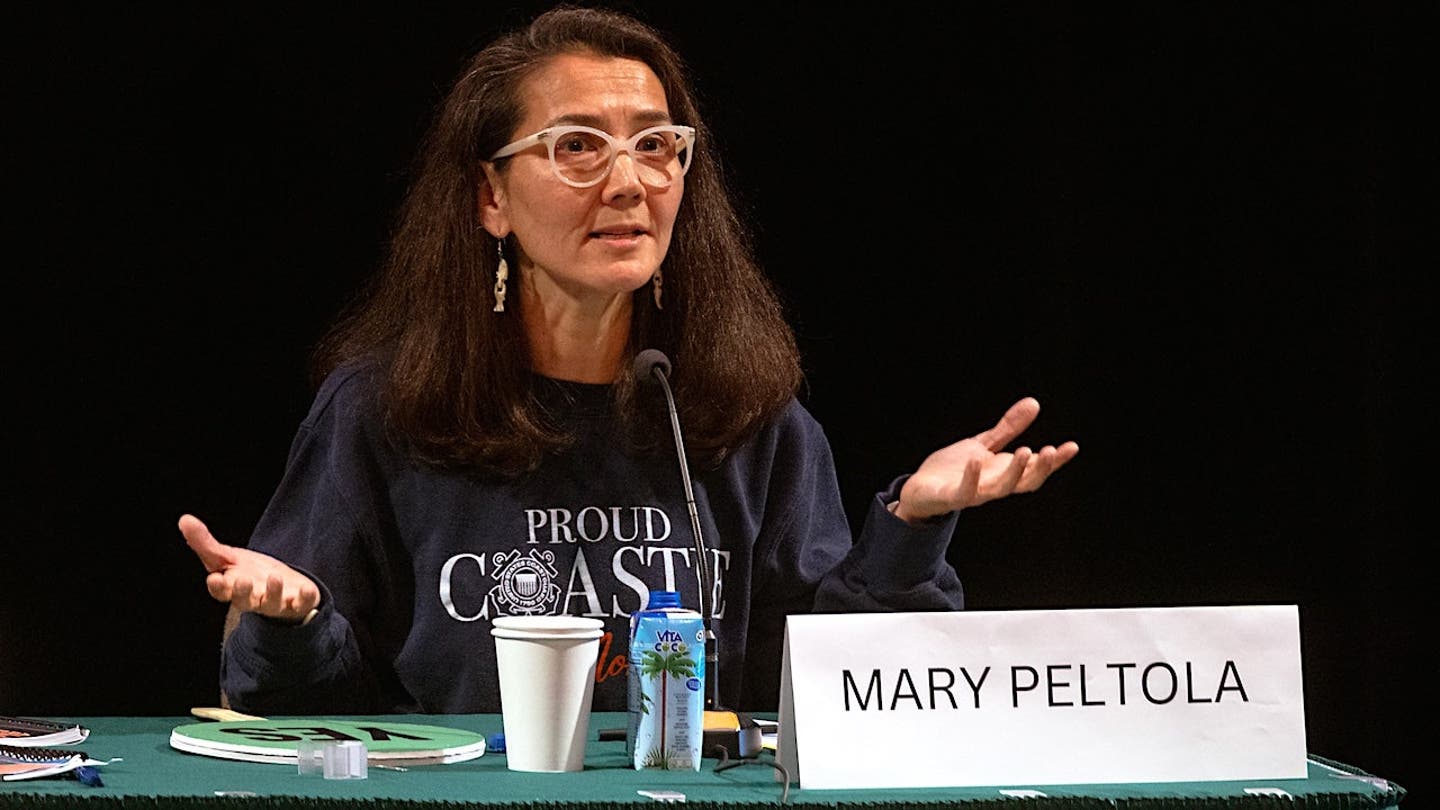
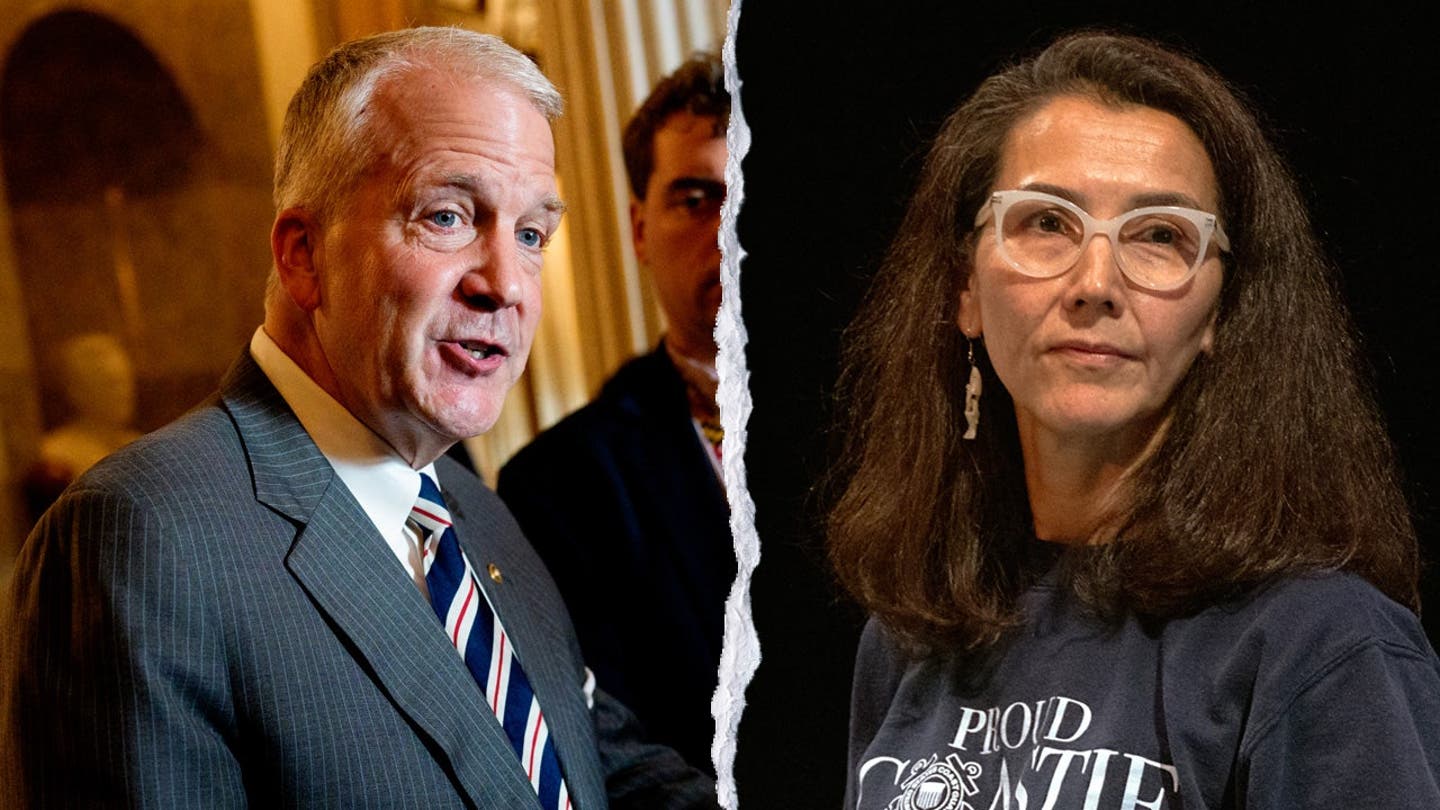
In the 2026 Alaska U.S. Senate contest, the campaign of Democratic nominee Mary Peltola and the Democratic Senatorial Campaign Committee (DSCC) are reported to have coordinated the recruitment of a second candidate named Dan J. Sullivan—a retired teacher from Petersburg—to appear on the same ranked-choice ballot as incumbent Republican Sen. Dan S. Sullivan. The effort, described by the *New York Times* as a “ballot composition project,” aimed to create voter confusion that could siphon votes from the incumbent. The Department of Justice (DOJ) has filed a federal lawsuit seeking to block certification of any election result that might be affected by such confusion.
02
Background & Context
Ballot-stacking tactics have a history in Alaska politics and are generally considered legal, though both parties have employed them. The 2026 Senate race features four candidates on the ranked-choice ballot: Sen. Dan S. Sullivan (Republican incumbent), Mary Peltola (Democratic challenger), Dan J. Sullivan (the alleged spoiler), and perennial Republican Gerald Heikes.
Visual evidence
Images from the story




03
Timeline
- Summer 2025 – A Peltola staffer receives instructions to locate Alaskans named Dan Sullivan.
- Spring 2026 – Dan J. Sullivan files to run and switches his voter registration from unaffiliated to Republican shortly before the filing deadline.
- June 26 2026 – Dan J. Sullivan is photographed in Petersburg after filing.
- June 2026 – Alaska Supreme Court rejects a state-level challenge to Dan J. Sullivan’s ballot eligibility.
- Early October 2026 – DOJ files suit to block certification if the spoiler’s votes affect the outcome.
- Mid-October 2026 – Federal judge Sharon Gleason fast-tracks the case, with a decision expected before Election Day.
- November 3 (scheduled) – General election decides whether Democrats can flip the Senate majority.
04
Data & Statistics
- The Alaska Senate ballot lists four candidates under the ranked-choice system.
- The incumbent Republican holds a 53-47 Senate majority nationally; Democrats need four additional seats to gain control in the November 3 midterms.
- As of early October, 46,204 ballots had been cast in Alaska (AP data).
05
Official Statements & Responses
- The DSCC denied participation, stating “The DSCC is not involved with Dan J. Sullivan.”
- Republican Sen. Dan S. Sullivan’s campaign spokesperson Nate Adams demanded “the truth” for Alaskans and labeled the scheme a deception.
06
Criticism & Opposition
- President Donald Trump called the alleged scheme “election fraud” on Truth Social.
- Derek Muller, a Notre Dame law professor, called the recruitment “a dirty campaign trick.”
07
Conflicting Reports & Gaps
- Peltola campaign & DSCC maintain no involvement, while former campaign manager Elisa Rios testified that Peltola was “definitely aware” of the recruitment effort. Rios later attempted to retract her statements, but the *Times* retained her original interview.
- Dan J. Sullivan claims he entered the race voluntarily, yet text messages between campaign staff and DSCC operatives suggest coordinated outreach.
- The DOJ’s lawsuit seeks to block certification, whereas Alaska officials argue the federal suit exceeds DOJ authority. The legal impact remains unresolved pending the judge’s ruling.
08
Why It Matters
The presence of two candidates with identical names on a ranked-choice ballot could split votes for the incumbent, potentially altering the balance of power in the U.S. Senate.
09
What’s Next
A federal judge in Anchorage is expected to rule on motions to dismiss the DOJ suit before Election Day. The November 3 election will determine whether the alleged spoiler strategy affected the final vote tally and whether Democrats can capture a Senate majority.