
Full Breakdown
Arab Parties Surge in Israel’s 2026 Election, Raising Coalition Stakes
By Drooid · · How we work
In this breakdown
01
Core Event
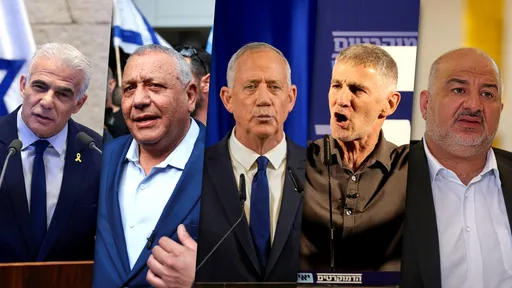
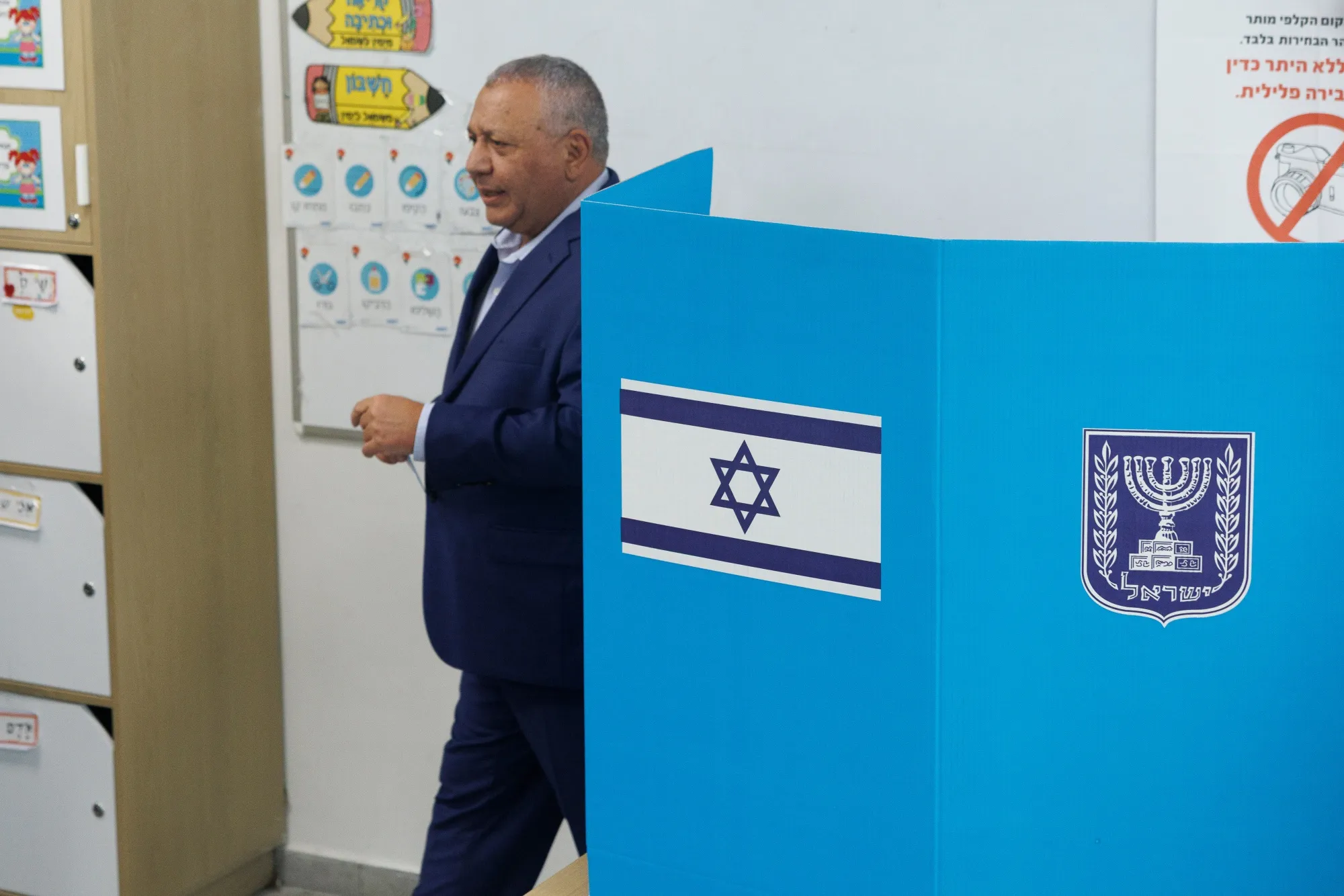
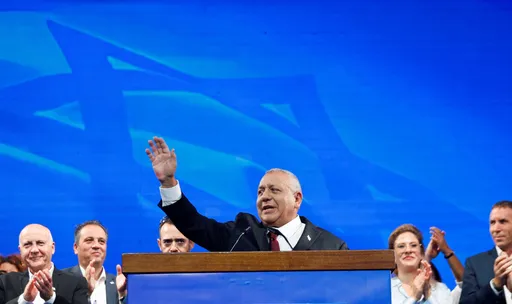
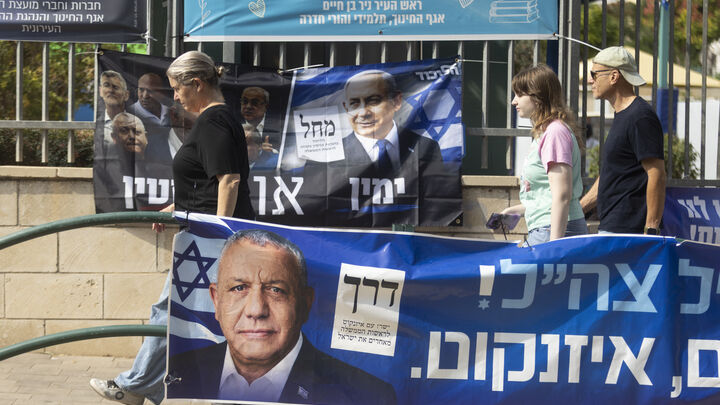
Israel’s parliamentary election on October 27, 2026 produced no clear winner. Prime Minister Benjamin Netanyahu’s Likud bloc fell short of the 61-seat majority, while the opposition alliance led by former chief of staff Gadi Eisenkot also lacked a majority. The two Arab lists—the Joint List and the United Arab List (Ra’am)—are projected to win 17 to 19 seats in the 120-member Knesset.
Watch
Related reporting
brightcove
Why Arab parties may not be the ‘kingmakers’ in this Israeli election
brightcove
Arab parties on track to win record seats in Israel election, polls show
brightcove
Arab parties in Israel accuse Netanyahu of inciting hatred to scare voters
02
Background & Context
Arab parties held ten seats after the 2022 election. The October 7 2023 Hamas attack and the Gaza war reshaped Israeli politics, intensifying security concerns and societal divisions. Netanyahu’s right-wing coalition warned that Arab participation would threaten Israel’s “Jewish character.” Arab citizens, about 20 % of the population, turned out in record numbers.
Visual evidence
Images from the story




03
Data & Statistics
- Voter turnout: 77.7 %, highest since 1999.
- Arab-party projections: Joint List 12 seats + Ra’am 6-7 seats (combined 19).
- Netanyahu’s bloc: 50-54 seats in exit polls.
- Eisenkot’s bloc: 48-49 seats.
- Majority threshold: 61 seats.
04
Why It Matters / Impact
The Arab parties’ breakthrough makes them potential kingmakers. Their support could enable Eisenkot to form a minority government with outside Arab backing, or force a coalition that includes Arab ministers—a prospect Netanyahu has called “a shame and a disgrace.” The outcome will affect Israel’s policy toward the Palestinian territories, settlement activity, and its democratic character, as well as its international standing.
05
Official Statements & Responses
- Benjamin Netanyahu: “We must form a strong right-wing national government.” He warned that a government dependent on Arab support would be “a shame and a disgrace.”
- Gadi Eisenkot: “We must do everything we can, certainly after yesterday, to avoid another round of elections.” He has ruled out formal coalitions with Arab parties.
- Mansour Abbas (Ra’am): “I believe that in the end the numbers will work out — we’ll talk.”
06
Criticism & Opposition
Analyst Alon Pinkas called the refusal to work with Arab parties “myopic and reckless.” Pollster Dhalia Scheindlin described the exclusion as “arbitrary, and, frankly, racist.”
07
On-the-Ground Reports
- Former Arab Knesset member Awni Zoabi warned, “The Arabic language has become as if it were a crime.”
08
Conflicting Reports & Gaps
Seat projections differ: Bloomberg cites ?17 seats, JPost 19, Themedialine 18. Netanyahu’s bloc is reported at 50-54 seats. Final results are pending; preliminary counts are expected by October 30, with certification by November 4.
09
Verbatim Quotes
- “We have a majority. We have responsibility. And we have an opportunity to form a government of change in partnership with Israel’s Arab citizens. A government that will serve all Israeli citizens,” — Yair Golan, Democrats chairman
- “Probably the most important phenomenon of this election is the rise and the revival of the Arab vote,” — Daniel Shek, former Israeli ambassador
- “This is not an accidental failure of Israeli democracy; it is the consequence of a system built to preserve Jewish political supremacy,” — Ahmed Najar, Palestinian political analyst
10
What’s Next
President Isaac Herzog will consult party leaders after the October 30 deadline to designate a Knesset member to attempt coalition building. If no bloc secures a majority within constitutional timeframes, a new election could be called after the November 4 publication of official results. Negotiations will focus on whether Eisenkot can secure Arab outside support or a broader unity arrangement becomes viable.