
Full Breakdown
France’s Student-Led Unrest and the Government’s Education Package
By Drooid · · How we work
In this breakdown
01
Core Event
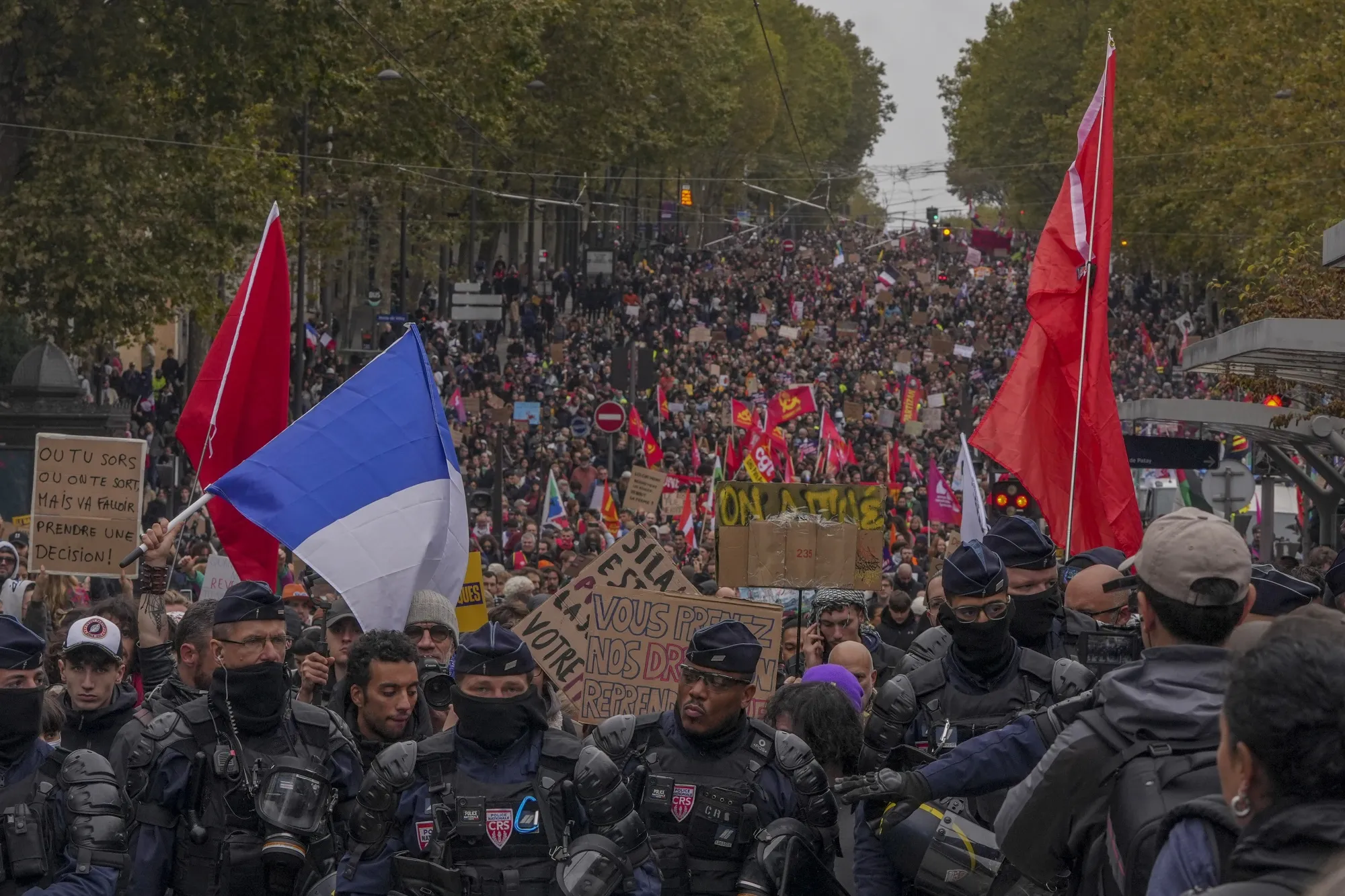
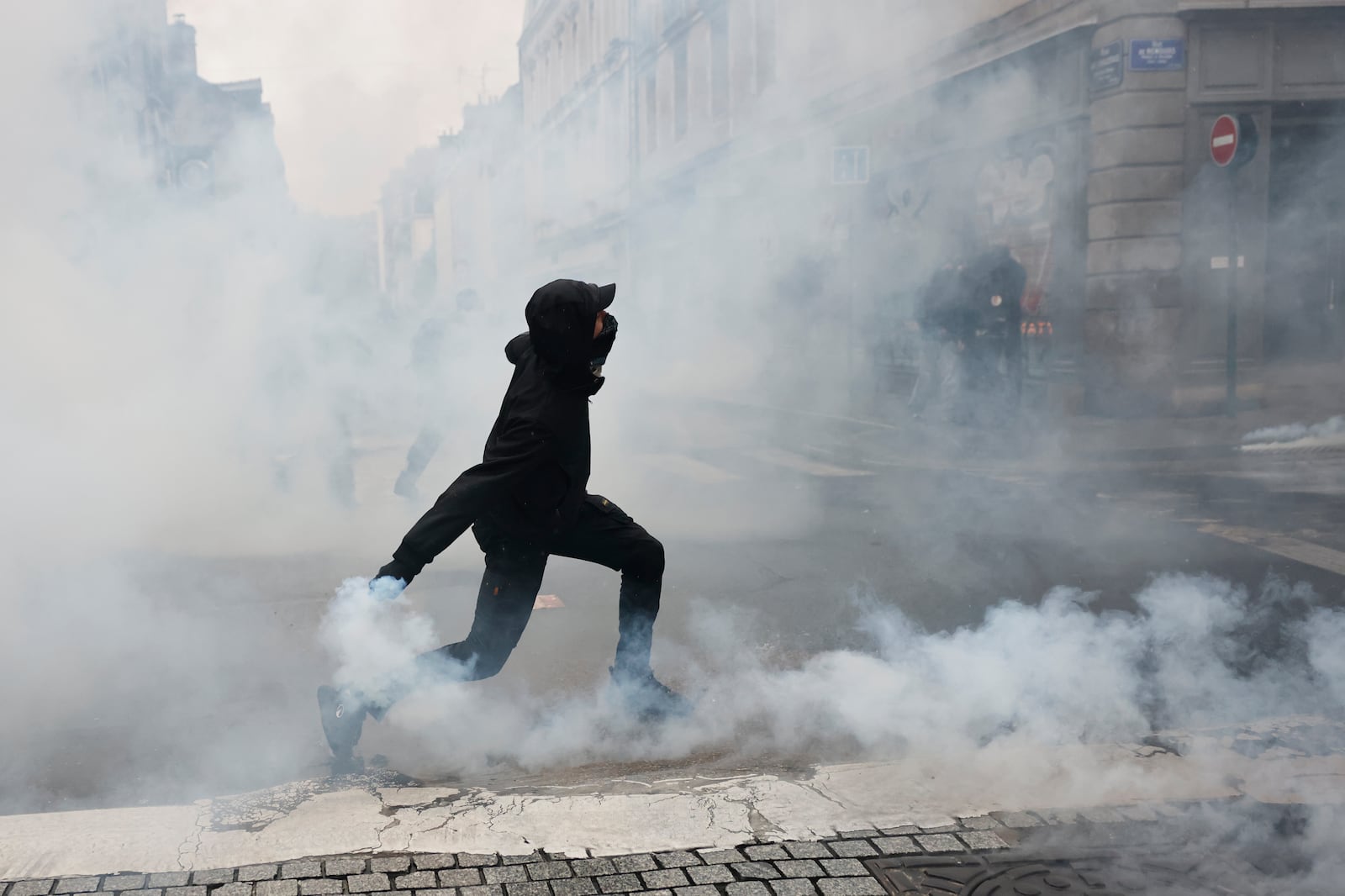
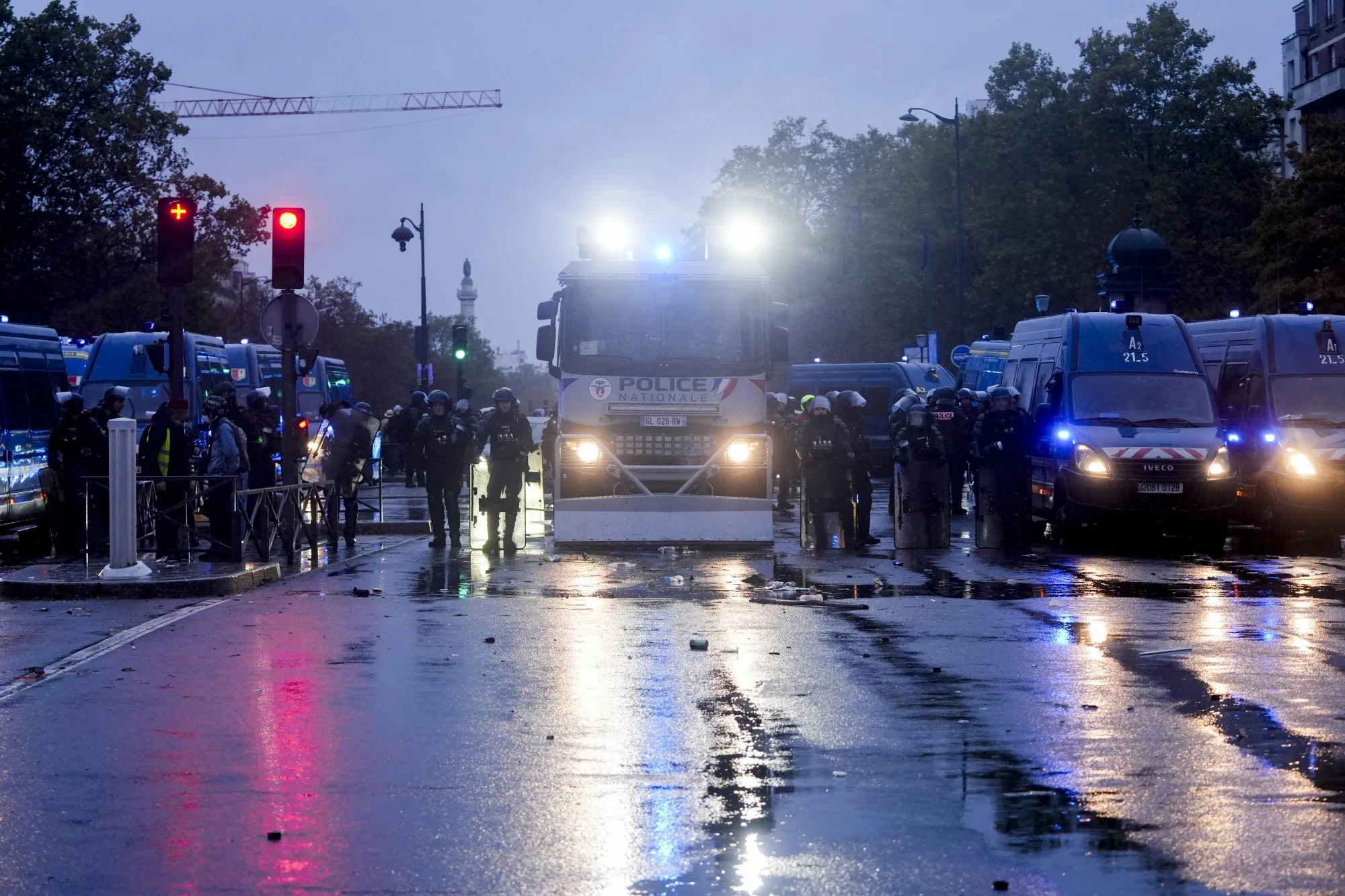
Since late September 2026, high-school students have staged nationwide protests over under-funded schools, staff shortages and the Parcoursup admissions platform. Demonstrations have repeatedly spilled onto the streets of Paris and other cities, sometimes turning violent. On October 24, police deployed 70,000 officers and reported 1,435 arrests; the Interior Ministry later counted 1,314 arrests, while the CGT union estimated nearly 800,000 participants nationwide. The unrest prompted the government to announce a multi-year education package aimed at easing student grievances.
Watch
Related reporting
youtube-nocookie
PORTSMOUTH SINFONIA - ‘Classical Muddley’ - 45rpm 1981
youtube-nocookie
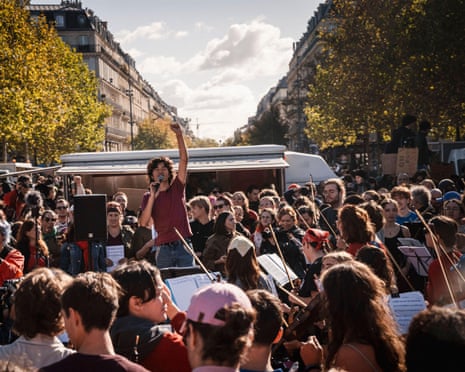
French police encircle and teargas orchestra playing at Paris protest
02
Background & Context
The movement began with a blockade at a southeast-Paris high school, demanding more teachers, repairs to dilapidated buildings and a transparent admissions system. The protests quickly broadened to include trade unions, “Yellow Vest” activists and broader cost-of-living concerns. The government, already constrained by a public-debt ratio near 120 % of GDP, faced pressure to act while maintaining fiscal discipline.
Visual evidence
Images from the story




03
Data & Statistics
- Arrests: 1,435 (Oct 24); 1,314 (following day).
- Protest turnout: 410,000 (government estimate); 800,000 (CGT estimate).
- Budget: €5 billion for the package, offset by cuts elsewhere.
- Renovation loans: €4 billion in low-interest loans to regional authorities.
- Class-size cap: 28 students in first-year high-school classes, beginning 2027 in disadvantaged schools and expanding in 2028.
- Higher-education places: 15,000 new spots announced for 2027-28, far short of the 250,000 demanded by some student groups.
04
Official Statements & Responses
President Emmanuel Macron pledged “concrete measures” and warned that future demonstrations, including a planned October 31 “Halloween” protest and a larger November 5 nationwide strike, must remain outside city centres. Interior Minister Laurent Nunez highlighted the need for a strong security presence, noting that curfews on Oct 24 helped maintain order. Prime Minister Sébastien Lecornu met student representatives and reiterated the government’s commitment to address “legitimate demands.”
05
Criticism & Opposition
Student union spokesperson Sabrine Karbach described the concessions as “crumbs.” Clément Vieillot of the Mouvement Cachan 94 group called the 15,000 new university places “absurd” compared with the 250,000 spots demanded. Amnesty International France’s Nathalie Godard warned that a proposed “make rioters pay” bill could violate international human-rights obligations.
06
Conflicting Reports & Gaps
- Turnout figures diverge sharply: 410,000 versus 800,000.
- Arrest counts vary between 1,435 and 1,314, reflecting different reporting windows.
- The €5 billion package lacks a detailed breakdown, and the timeline for fully replacing Parcoursup extends to 2028, beyond the current presidential term, leaving implementation uncertain.
07
Verbatim Quotes
- “Not all our demands were met. We'll go on for as long as it takes,” — Louis Letoublon
- “It's clear we have to ease the pressure being felt in the education system,” — Education Minister Édouard Geffray
- “We are managing to achieve some gains through mobilization, but they are still crumbs,” — Sabrine Karbach
- “We have managed to address some of the students’ demands,” — Nathanaël Combary
- “We have received crumbs compared to what we are asking for,” — Clément Vieillot
- “I have asked the government to address the legitimate demands at the root of this protest movement,” — Emmanuel Macron
08
What’s Next
The government has scheduled a October 31 security briefing ahead of the Halloween protests and a major November 5 strike involving unions and student groups. Legislative debate on the “make rioters pay” bill is slated to begin in early November. Implementation of the class-size caps and renovation loans will unfold over 2027-30, while the two-phase replacement of Parcoursup is planned for the 2027 and 2028 academic years.