
Full Breakdown
Trump Administration’s Escalated Pressure on Cuba Sparks UN Clash and Domestic Hardship
By Drooid · · How we work
In this breakdown
01
The Heightened U.S. Campaign Against Cuba
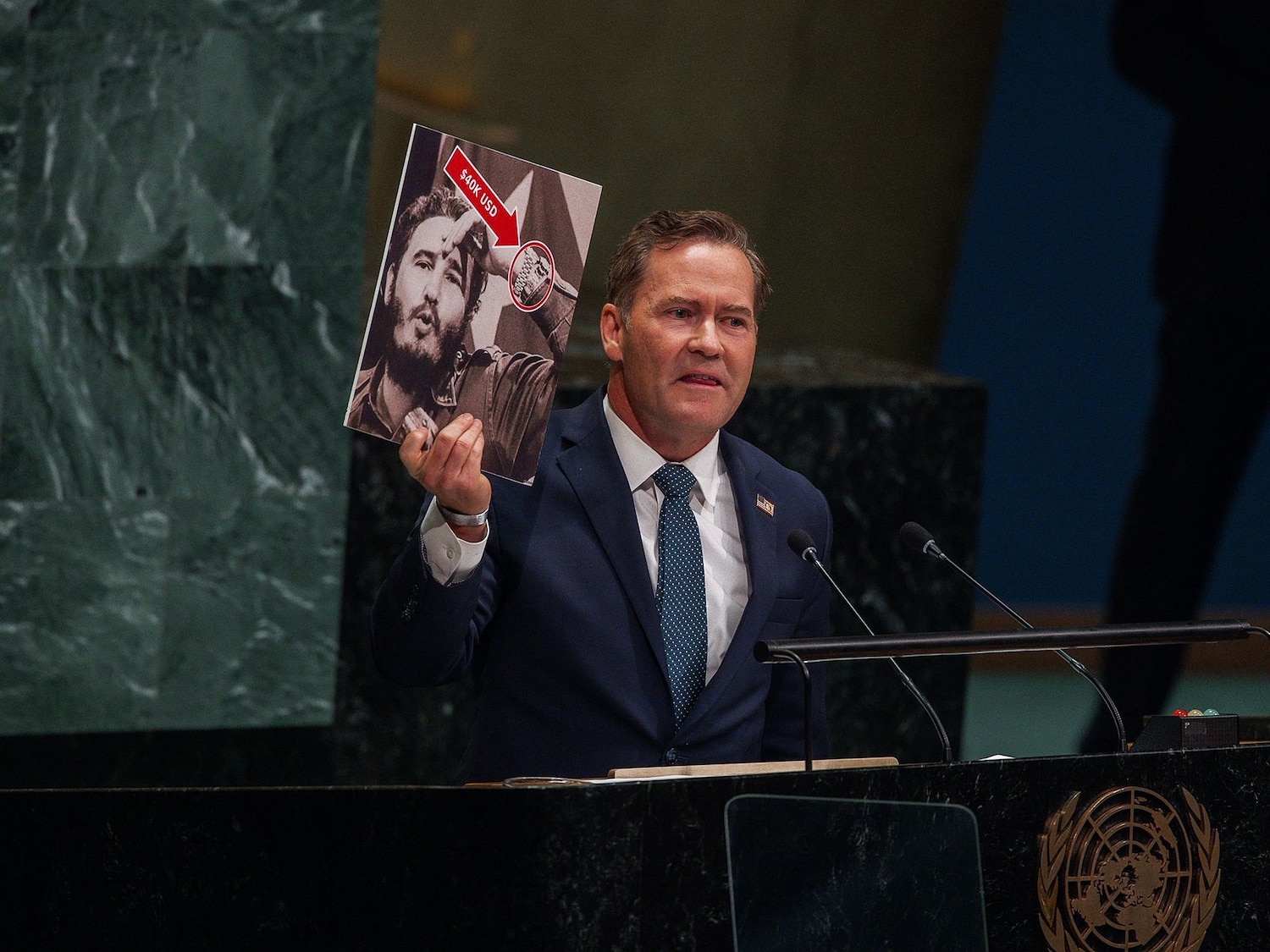
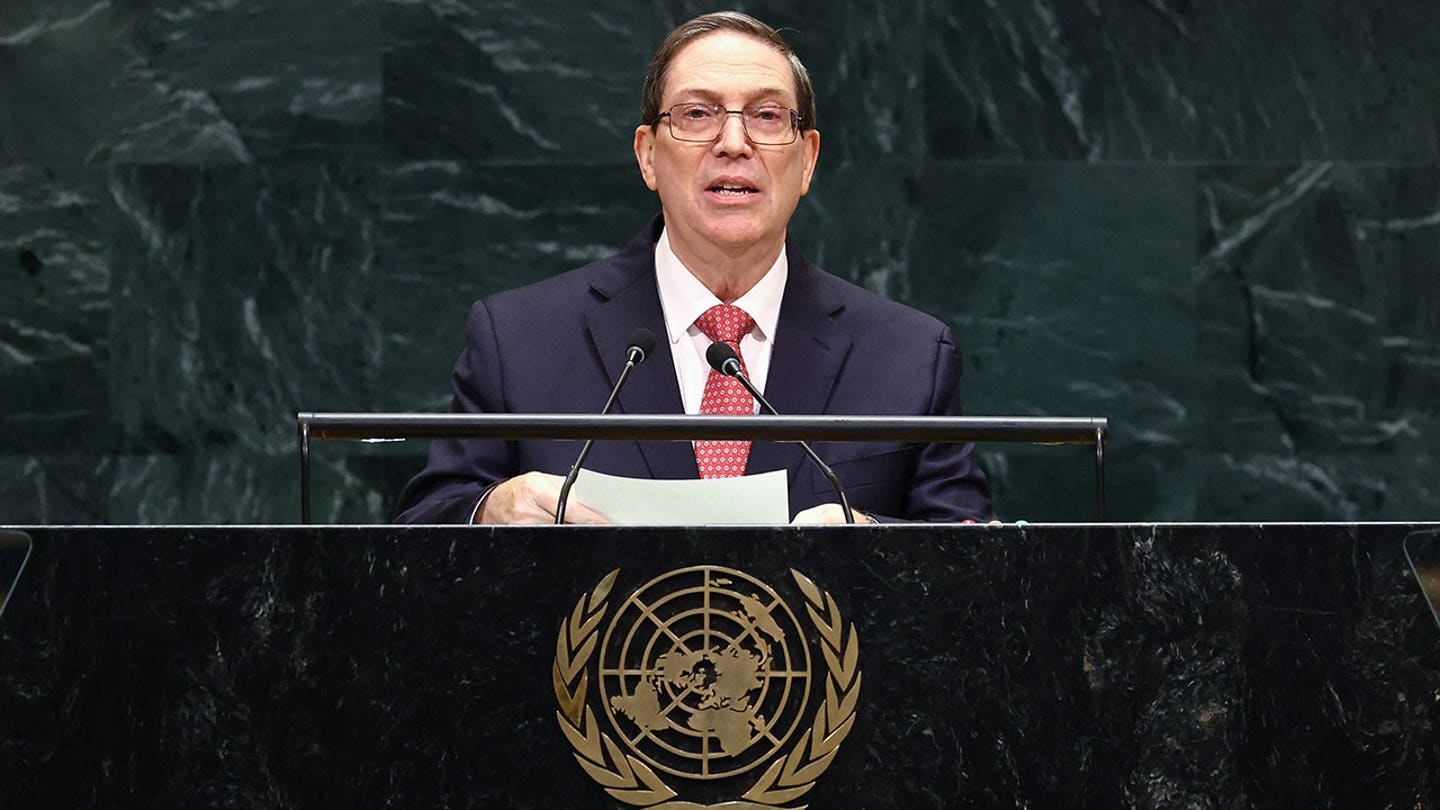
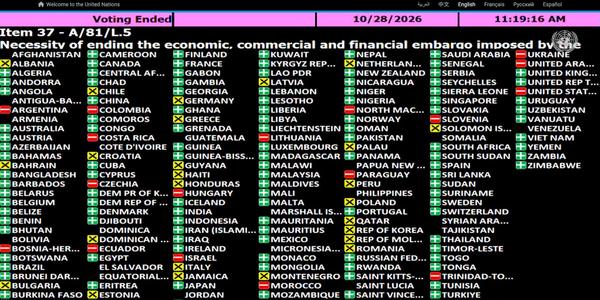
President Donald Trump renewed threats to confront Cuba, culminating in a heated exchange on October 27, 2026, at the United Nations General Assembly, where U.S. Ambassador Michael Waltz and Cuban Foreign Minister Bruno Rodríguez Parrilla shouted over each other while debating the annual resolution condemning the U.S. embargo.
02
Background & Context
The U.S. embargo against Cuba began in 1960 after Fidel Castro’s revolution nationalized American assets. In 2026 the Trump administration intensified its “maximum pressure” policy, imposing secondary sanctions on firms that supply fuel, threatening 30 % tariffs on oil-exporting countries, and expanding visa restrictions on Cuban officials. The stance contrasts with longstanding UN resolutions calling for the embargo’s end.
Visual evidence
Images from the story

03
Data & Statistics
- The 34th UN General Assembly vote on the embargo drew 130 countries in favor, 25 abstentions and 17 against, a shift from the previous year’s 165-7 vote.
- A power outage on September 18 2026 left streets illuminated only by bicycle-taxi headlights.
- Retired construction worker Armando Ruiz reported a monthly pension of 3,900 pesos—less than five U.S. dollars at black-market rates.
04
Official Statements & Responses
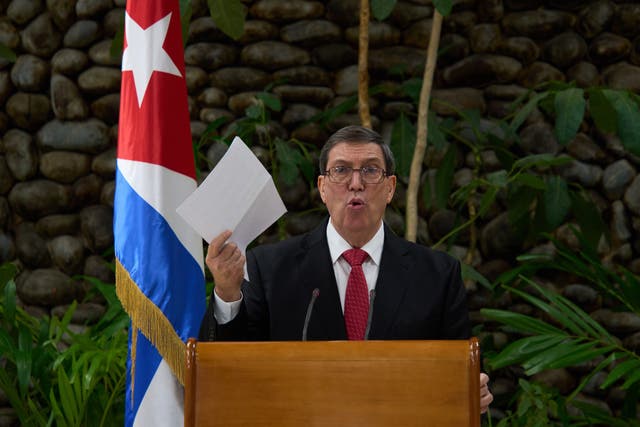
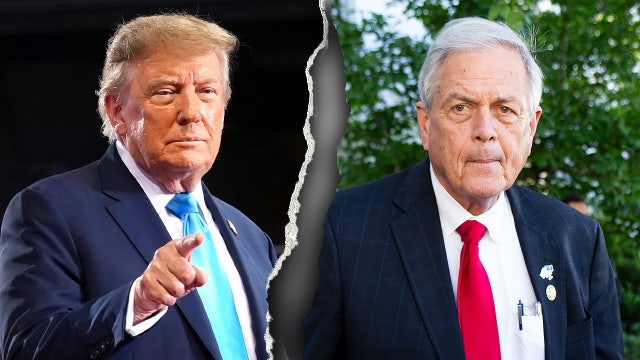
President Trump framed Cuba as a “next U.S. adversary” during a Florida rally, promising naval pressure. At the UN, Ambassador Waltz accused the Cuban government of enriching its leaders while its people suffered, urging member states to reject the anti-embargo resolution. Cuban Foreign Minister Rodríguez countered, asserting that U.S. officials were “lying” and warning of tariffs, visa denials and aid suspensions for countries that vote against the United States.
05
On-the-Ground Reports
Havana’s electricity grid continues to falter, with rolling blackouts forcing residents to line up for hours at banks to collect shrinking pensions. A small elite can purchase imported luxury goods—Wagyu steak, Russian caviar, Spanish olive oil—while many citizens queue for basic staples. Some entrepreneurs have profited by smuggling gasoline and food around the embargo, widening the gap between “haves” and “have-nots.”
06
Conflicting Reports & Gaps
U.S. News claims the United States seized former Venezuelan President Nicolás Maduro in a January raid and imprisoned him in New York—a claim not corroborated by other sources. Details of alleged CIA recruitment ads posted by Rubio remain unverified beyond the posted X messages.
07
Verbatim Quotes
- “What we’re going to do with Cuba is, we’re going to come back from Iran,” — Donald Trump
- “Sometimes we are asked, how has Cuba resisted what we have resisted? How was Cuba able to resist during the summer with the perverse aims to destabilize the country?” — Bruno Rodríguez Parrilla
- “The restrictions on fuel exports to Cuba have aggravated the country’s ongoing energy crisis.” — India’s UN Representative
08
What’s Next
The UN General Assembly will vote this week on the embargo resolution, a decision the Trump administration hopes to influence through diplomatic lobbying and the presence of U.S.–backed Cuban dissidents. The U.S. midterm elections in November 2026 could reshape congressional oversight of the “maximum pressure” strategy, affecting future sanctions and related policies.