
Full Breakdown
Federal Judge Reviews DOJ’s Emergency Request to Block California Ballot Counting
By Drooid · · How we work
In this breakdown
01
Core Event
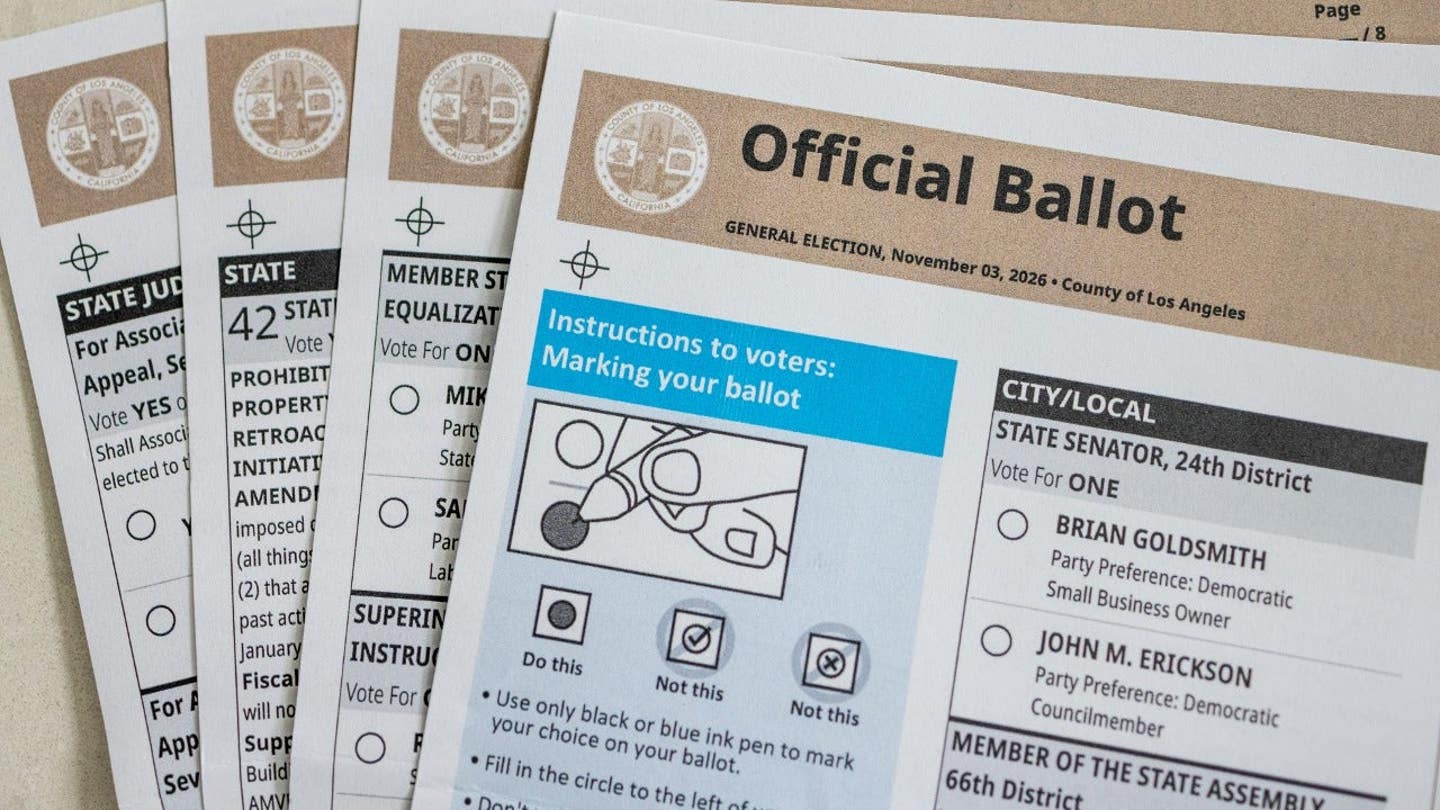
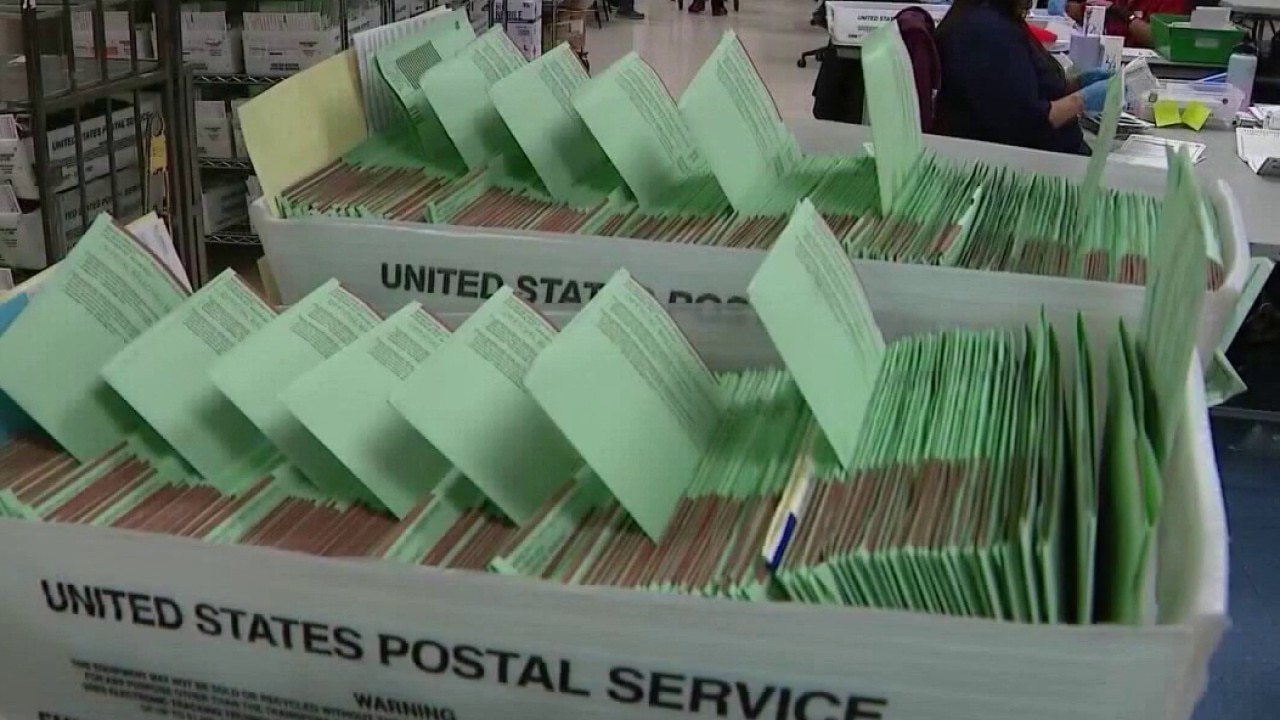
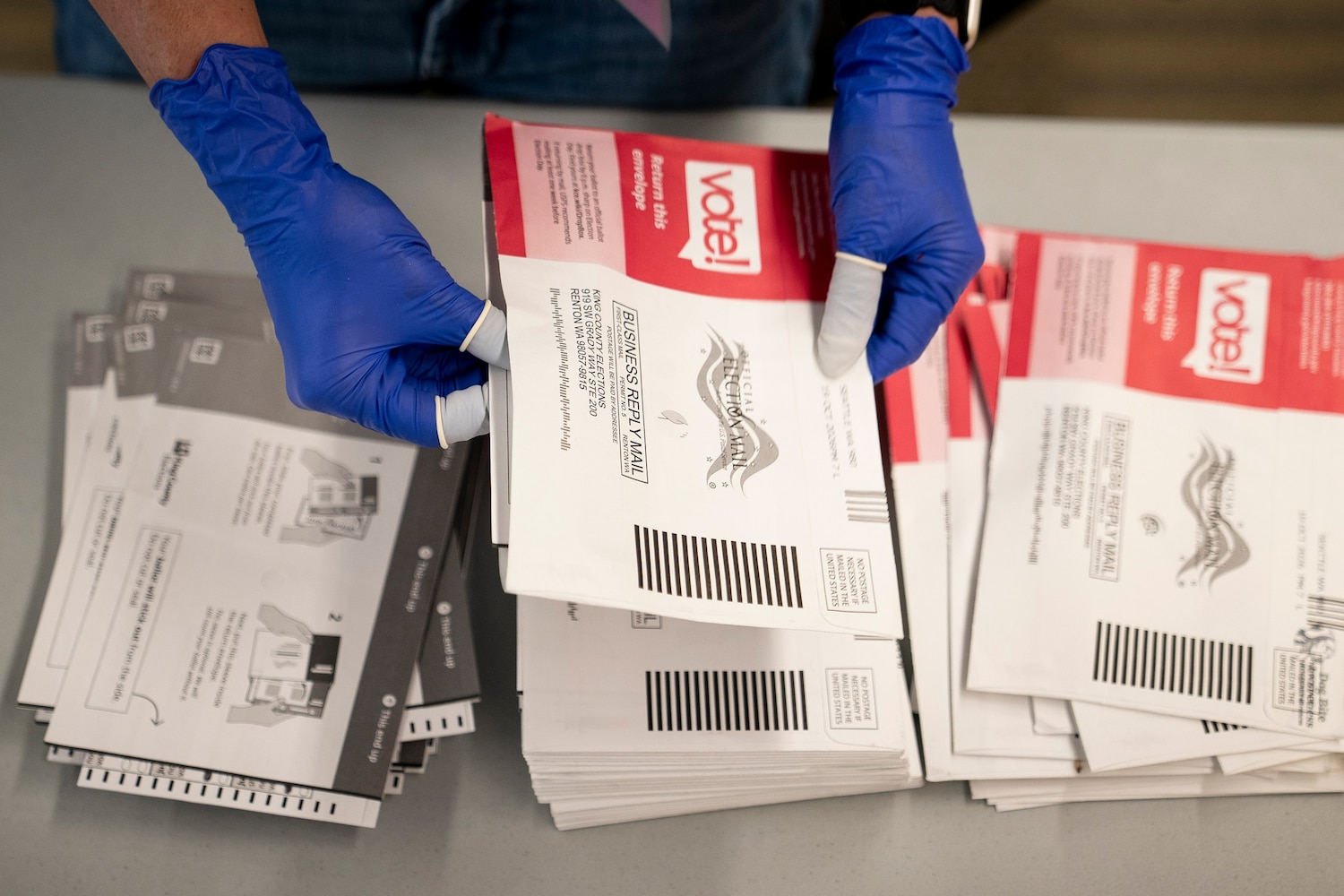
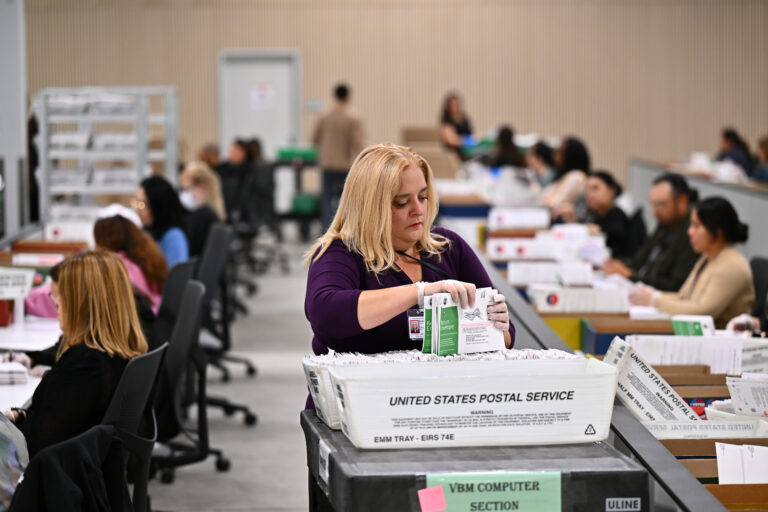
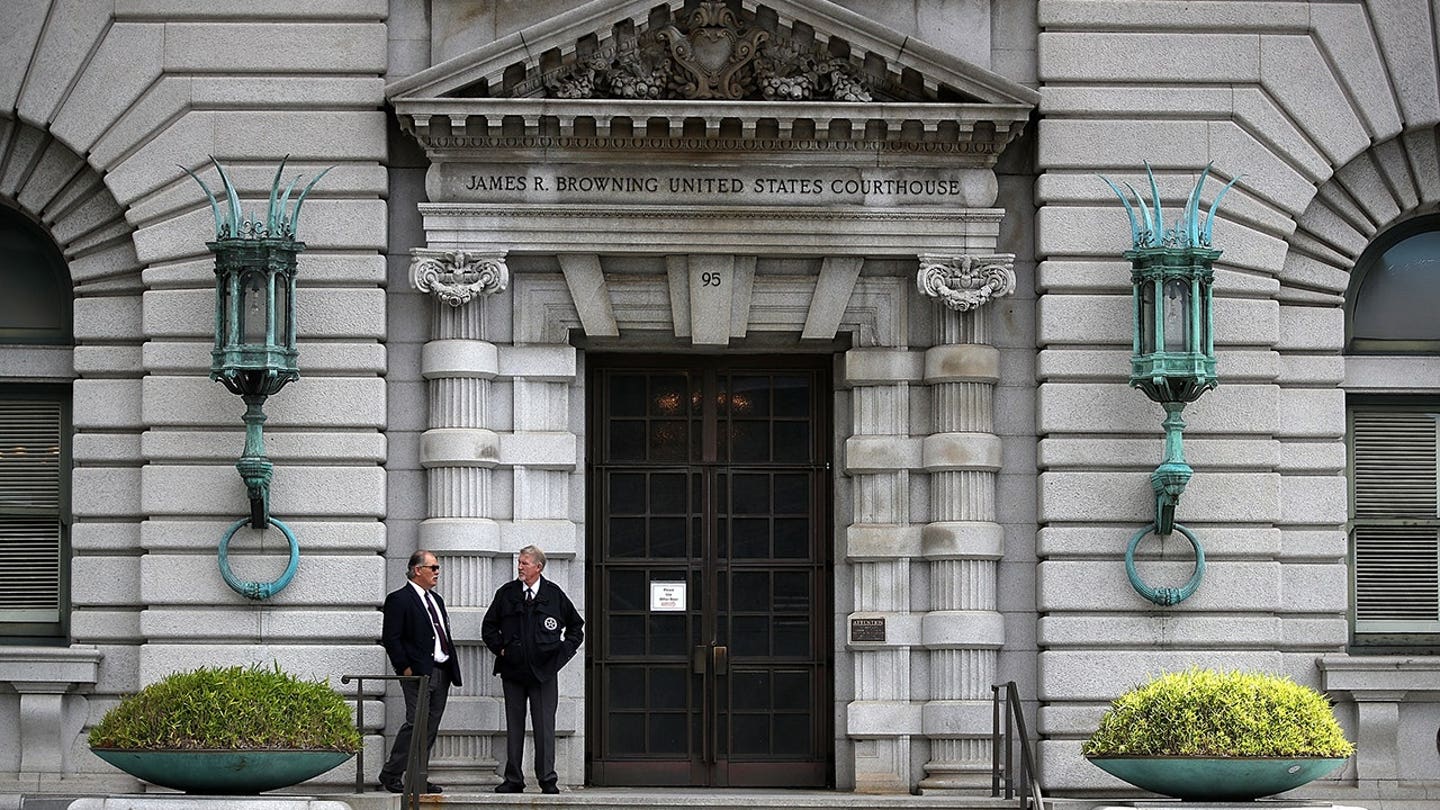
U.S. District Judge David O. Carter in Los Angeles heard arguments on October 27 2026 from the Justice Department (DOJ) and California officials over a lawsuit seeking a temporary restraining order that would require the state to set aside mail-in ballots from roughly 20,000 registered voters the administration alleges are “likely” non-citizens. The DOJ argues that counting those ballots would violate 18 U.S.C. § 611, the federal misdemeanor prohibiting non-citizen voting in federal elections. California contends the request would disenfranchise eligible voters and exceeds federal authority.
Watch
Related reporting
ex
AG Todd Blanche won't rule out DOJ action to block midterm election results
02
Background & Context
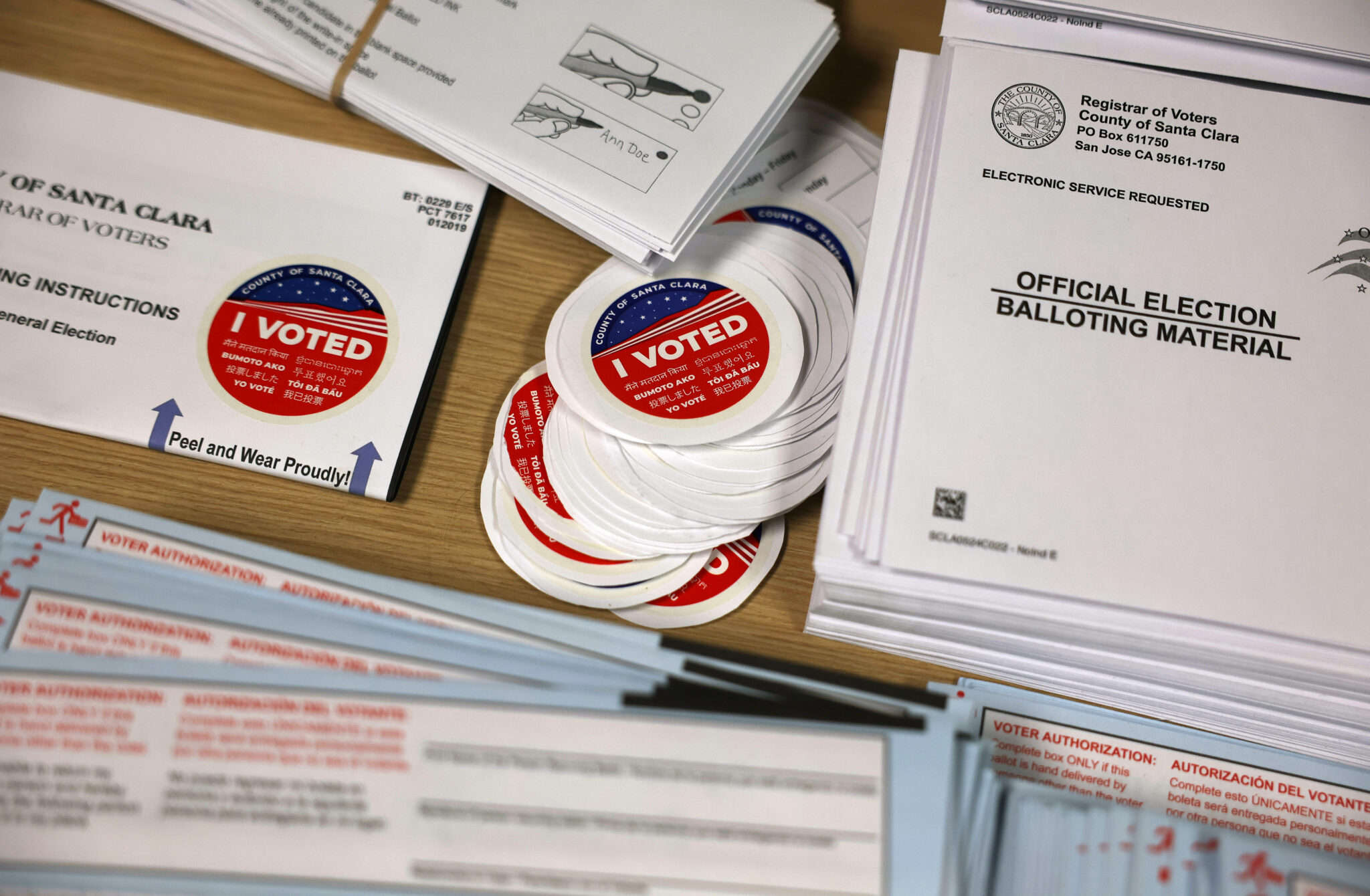
The dispute stems from a October 13 DOJ letter that supplied a list of more than 20,000 names and demanded verification of citizenship within 48 hours. California law already requires voters to attest to citizenship under penalty of perjury and maintains a separate process for challenging ballots. The Trump administration frames the action as enforcement of federal law; state officials and voting-rights groups view it as an unprecedented federal intrusion.
Visual evidence
Images from the story

03
Official Statements & Responses
Judge Carter expressed skepticism that an “emergency” injunction was warranted, noting the risk of “disenfranchising legitimate voters.”
First Assistant U.S. Attorney Bill Essayli argued the request was “narrow” and intended only to “safeguard” the election.
California Attorney General Rob Bonta called the lawsuit a “speed bump” to Trump’s “disgusting attacks on the Constitution.”
Attorney Anne Bellows cited Supreme Court precedent that courts should not alter election rules close to an election.
Deputy Attorney General Michael Cohen criticized the DOJ for “distorting several legal doctrines” and relying on “mysterious database methods” without disclosing how the list was generated.
04
Criticism & Opposition
Legal scholars and state officials warned that the DOJ’s reliance on third-party data lacks transparency and could trigger voter confusion. Judge Mark J. Bennett questioned whether § 611 gives the DOJ authority to dictate state ballot-processing procedures, suggesting Congress, not the courts, should address any changes.
Judge Gabriel P. Sanchez highlighted the Purcell principle, arguing federal courts should avoid altering election administration when voting is already in progress.
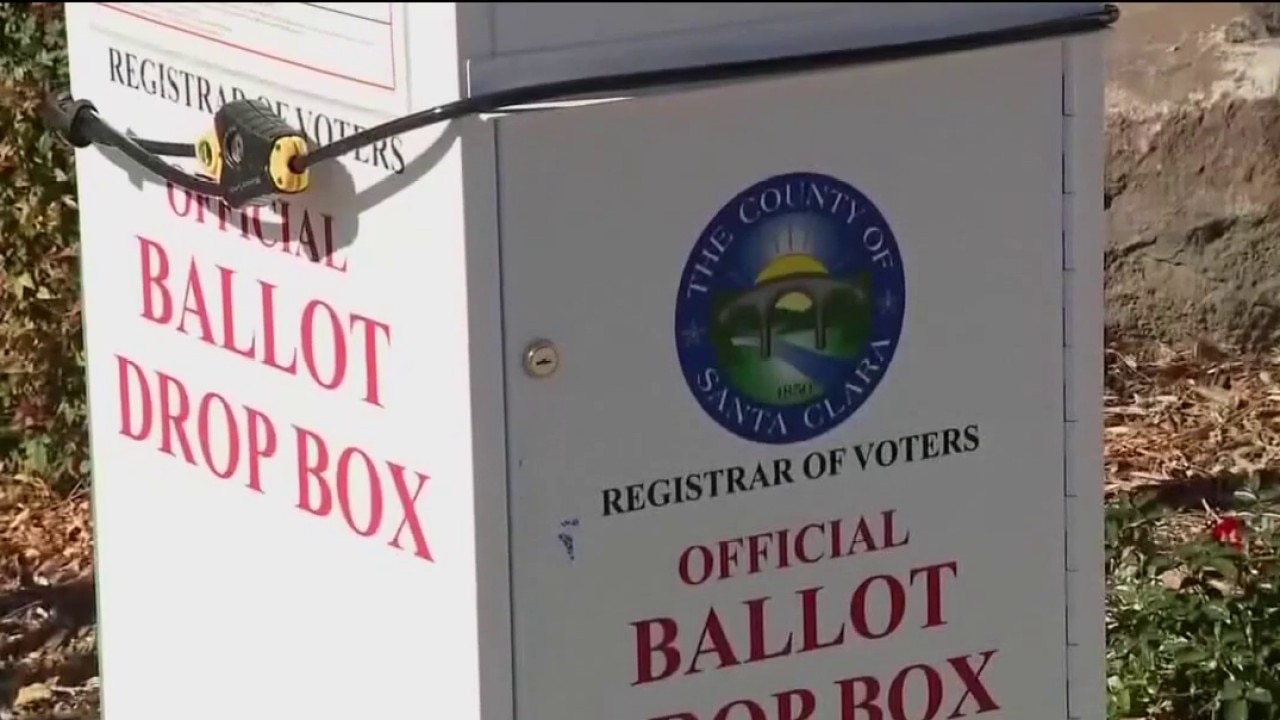
County officials in Santa Clara and Contra Costa reported duplicate entries and many individuals who were not active voters, reinforcing concerns about the list’s reliability.
05
Conflicting Reports & Gaps
- List Accuracy: DOJ officials have not disclosed the methodology used to compile the 20,000 names, while California’s sample suggests a high proportion of U.S.-born or inactive registrants.
- Scope of Authority: The DOJ cites § 611 as preempting state procedures, whereas judges and analysts argue the statute does not grant the executive branch power over state election administration.
- Numbers Reported: Early DOJ communications referenced 190,000 potential non-citizens; the figure was later revised to 20,000 without public justification.
06
What’s Next
Judge Carter is expected to issue a ruling on the temporary restraining order by Wednesday. The decision will determine whether a special master will be appointed to evaluate the DOJ’s list and whether the case proceeds to a full trial before the November 3 election. If relief is granted, the DOJ may appeal to the Ninth Circuit, potentially extending litigation into the final weeks of voting.