
Full Breakdown
John Healey’s First Budget: A Low-Key Package Amid Global Economic Storms
By Drooid · · How we work
In this breakdown
01
Core Event
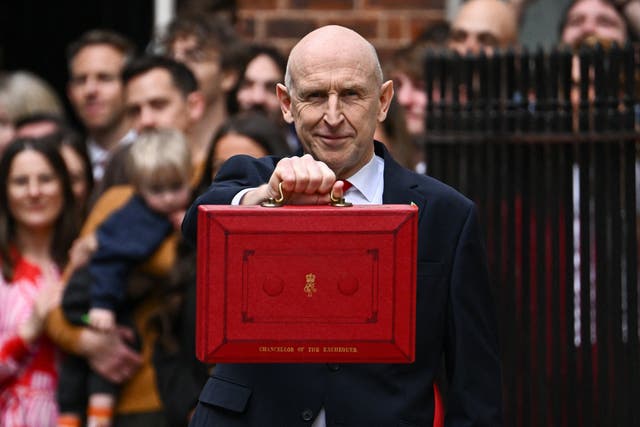
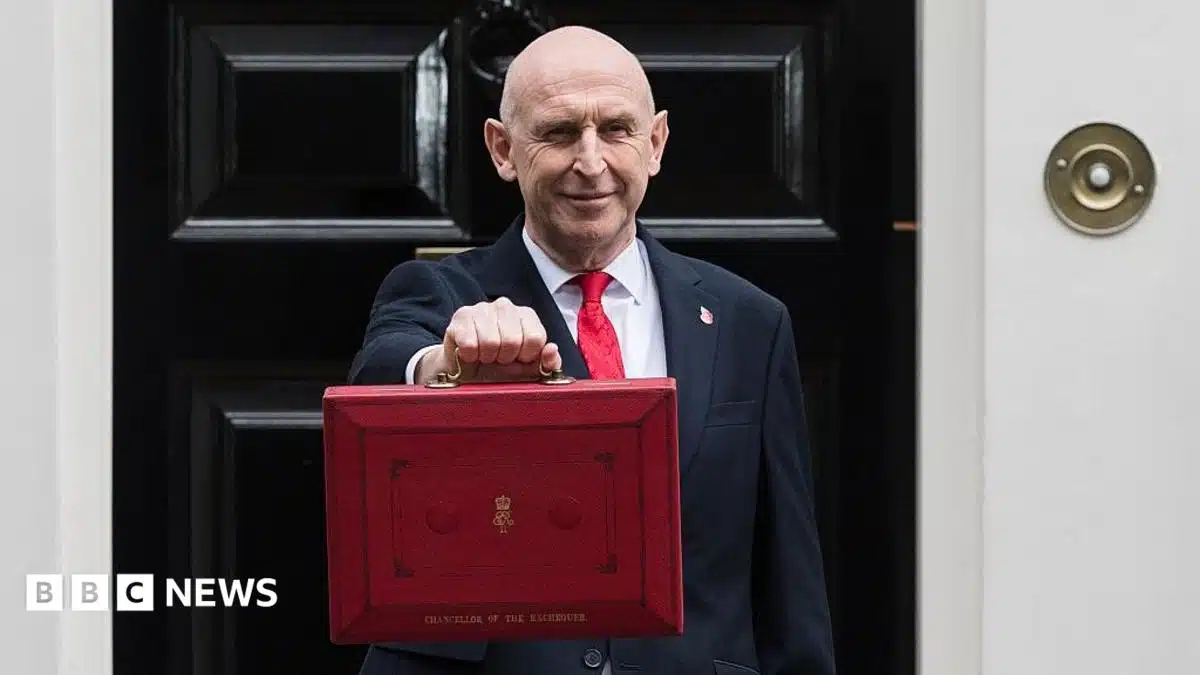
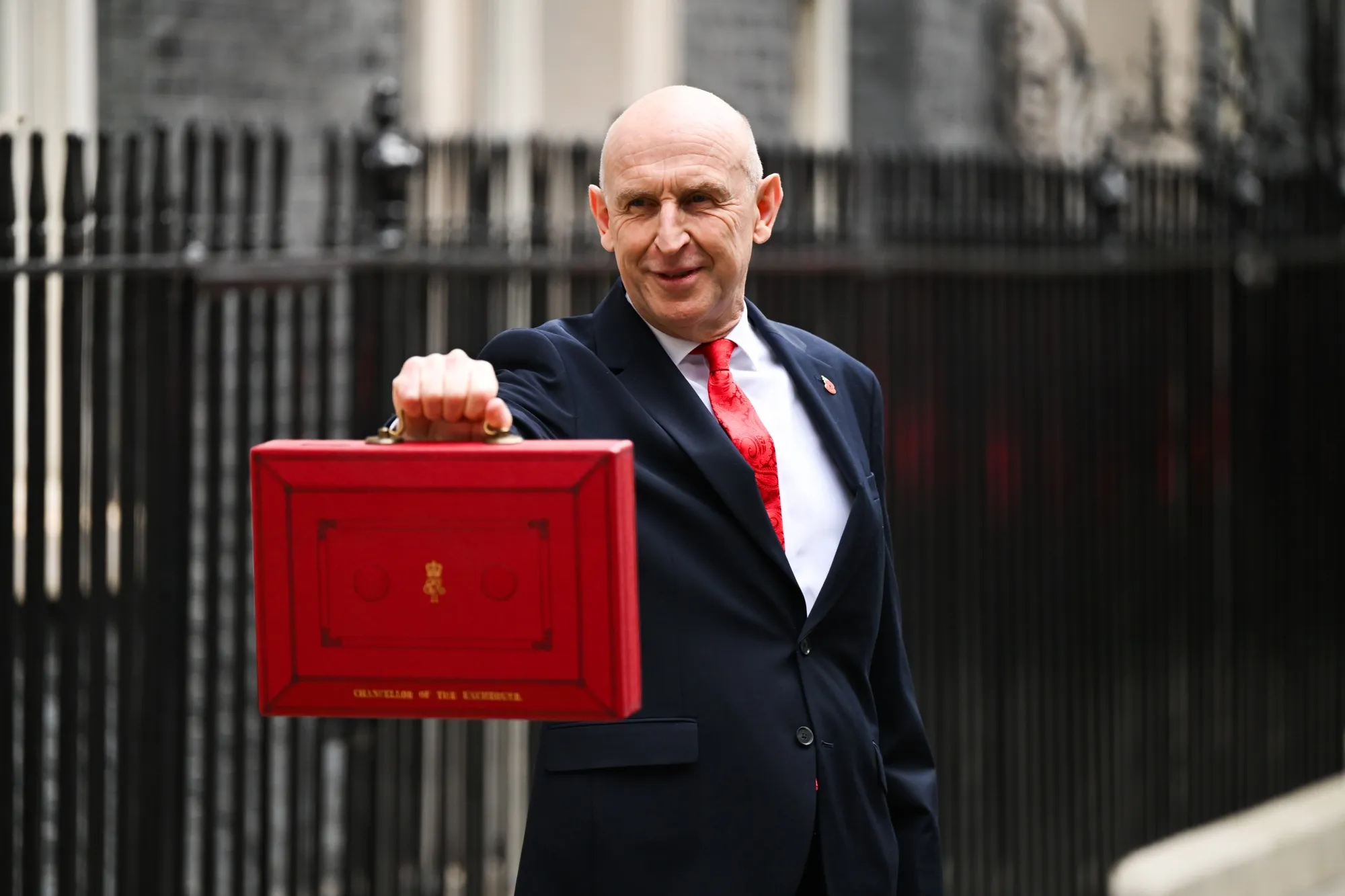
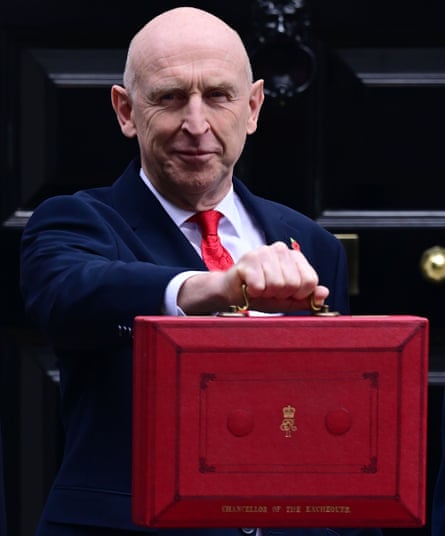
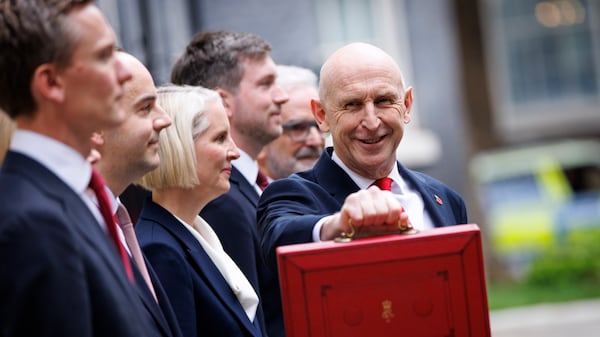
On October 28 2026, British finance minister John Healey delivered his first budget to the House of Commons. The statement combined modest fiscal tightening with targeted relief for households and businesses, a pledge to fully fund the existing Defence Investment Plan, and a commitment to meet Labour’s fiscal rule that day-to-day spending be covered by tax receipts by 2029-30.
Watch
Related reporting
ex
Healey announces measures to give people 'breathing space' on living costs
ex
Budget 2026: What it means for households, businesses, and the economy
02
Background & Context
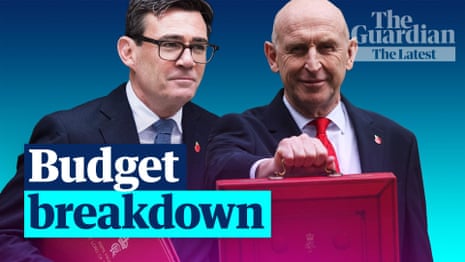
The budget follows Prime Minister Andy Burnham’s ascent in July 2026 and the resignation of former chancellor Rachel Reeves after a series of large tax-raising measures. Global pressures—including the war in Iran, Russia’s invasion of Ukraine, and soaring oil and gas prices—have driven up UK borrowing costs and revived concerns about market volatility.
Visual evidence
Images from the story
03
Data & Statistics
- Growth forecasts (OBR): 1.2 % for 2026, 1 % for 2027, 1.6 % for 2028, 1.8 % for 2029, 1.7 % for 2030.
- Borrowing as a share of GDP: 4.2 % (2026) falling to 1.8 % by 2030/31.
- Debt-to-GDP ratio: 83.2 % (2026) to 81.7 % (2031/32).
- Fiscal headroom: £15 bn for 2029/30, rising to £22 bn for 2030/31.
- Key spending: £2.6 bn for a £100 “Household Energy Payment” to 20 million households; £1.5 bn for affordable-housing acceleration; £4.7 bn gap in the Defence Investment Plan filled by capital-budget reprioritisation.
- Revenue measures: Bank profit surcharge up to 6 % for 15 months (Jan 2027-Mar 2028); Machine Games Duty to 25 %; VAT duty on online marketplaces.
- Business-rate relief: Threshold lifted to £18 000, affecting roughly 70 000 firms.
04
Official Statements & Responses
05
Criticism & Opposition
- Ruth Curtice, Resolution Foundation, said the £100 payment “missed the mark” by targeting too broadly.
- Laura Suter, AJ Bell, warned the increased tax on rental income could be passed to tenants, potentially “push[ing] up rents.”
- Kemi Badenoch, Conservative leader, called the budget “not bold enough,” accusing the government of being “overspent, overborrowed and overtaxed.”
06
Conflicting Reports & Gaps
The OBR upgraded its 2026 growth forecast to 1.2 % but downgraded the 2027 outlook to 1 %, reflecting uncertainty over energy-price shocks. The budget provides no detailed timetable for achieving the 3 % defence-spending target by 2030, leaving the financing pathway to next year’s spending review.
07
Verbatim Quotes
08
What’s Next
- A spending review in 2027 will outline the financing plan for the 3 % defence target and any further welfare reforms.
- Devolution measures will let English mayors retain 20 % of business-rate revenue from next year and a share of income-tax receipts from 2028, with full local retention of business rates slated for the end of the decade.
- The Treasury will implement the online-marketplace VAT regime from October 2027, and the bank surcharge will revert to its pre-budget level after 31 March 2028.
The budget’s modest scale aims to preserve market confidence while giving households limited “breathing space” and setting a pathway to longer-term defence investment.